18 Feathered Hairstyles for Women That Never Go Out of Style

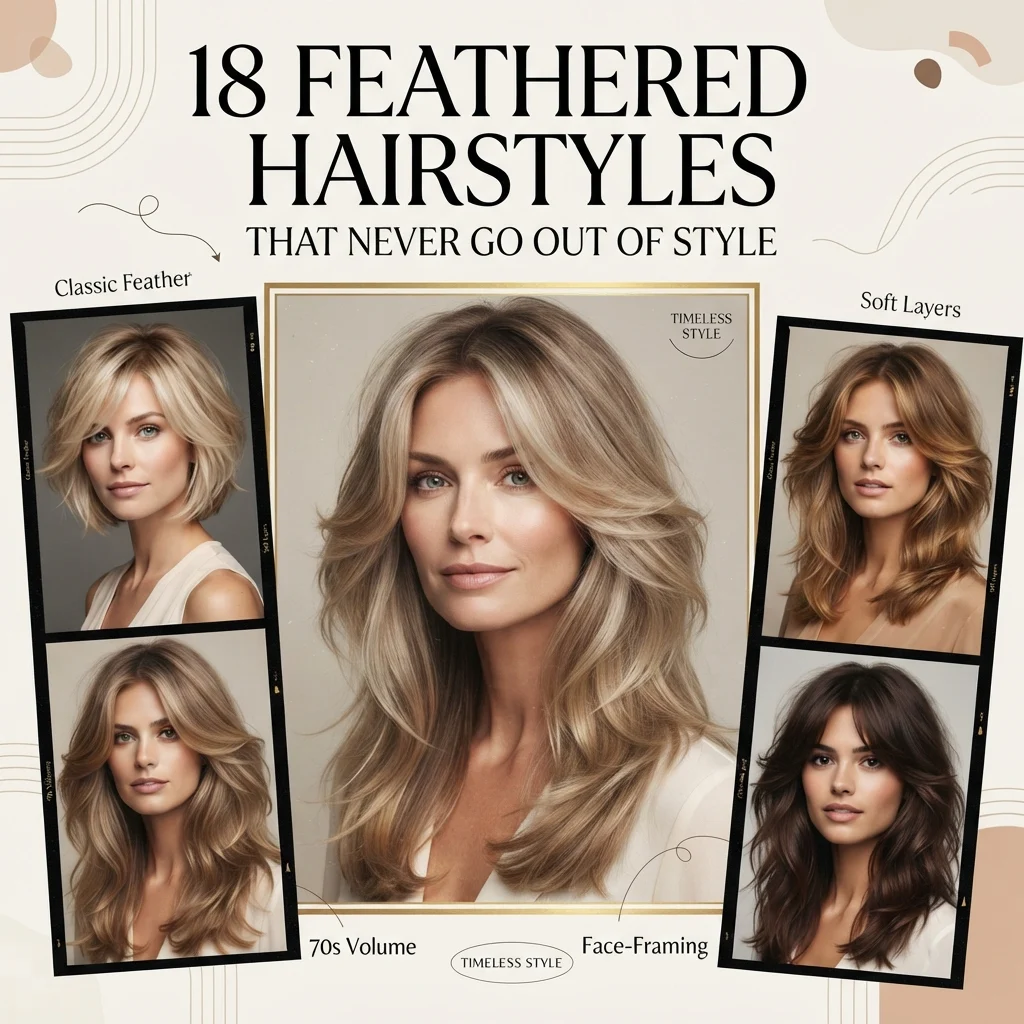
Feathered hairstyles use soft, wispy layers that are cut and blow dried to flick outward or curve inward, creating movement instead of one flat block of hair. This roundup gives you 18 feathered hairstyle ideas across every length, texture, and color so you can find the exact version that fits your face shape and lifestyle.
There is a lightness to feathered hair that other cuts do not have. It moves when you walk, it catches light at the ends, and it softens sharp angles without erasing structure. Whether you want the nostalgic swing of a 70s shag or a barely-there flick on a modern bob, feathered layers bring warmth and motion to any length.
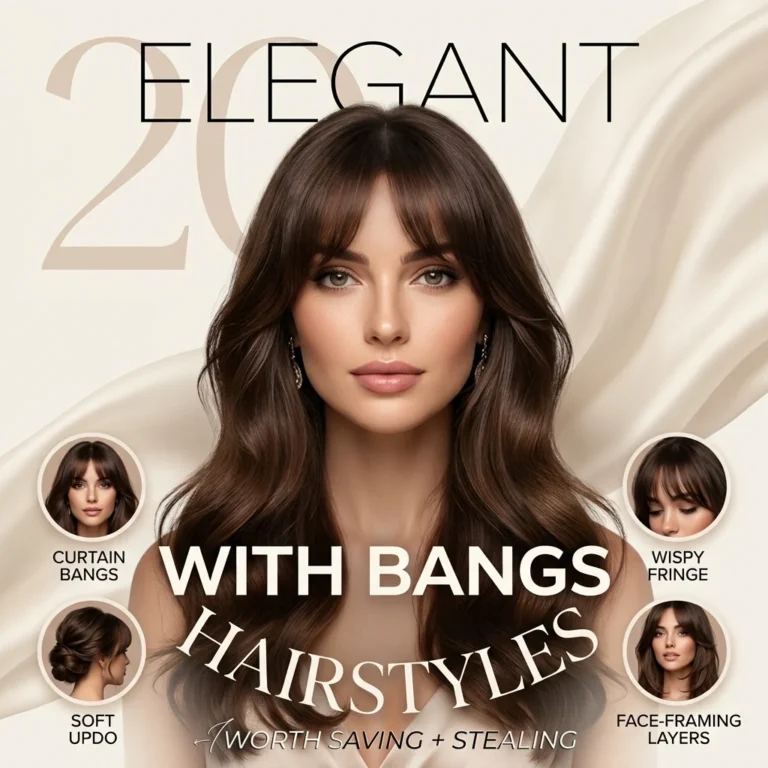
Here are 18 ideas worth saving, and stealing.
Why Feathered Hairstyles Work So Well
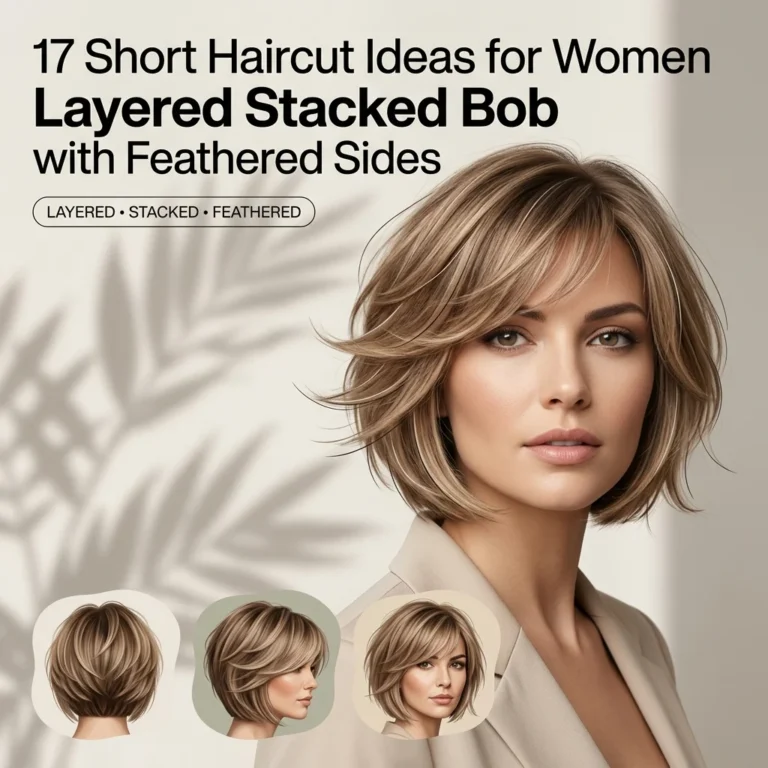
Feathered hair traces back to the 1970s, popularized by icons like Farrah Fawcett, and it drew from a broader shift toward looser, more natural silhouettes after decades of stiff, structured sets. Unlike blunt layering, which stacks hair for weight, feathering removes weight at the ends so strands separate and flick rather than clump. That distinction is what separates it from a plain layered cut or a shag, which is feathering taken to a rougher, choppier extreme.
The technique relies on point cutting and razor work rather than blunt shears, which is what creates the soft, wispy tips. It works on nearly every texture, from fine strands that need the illusion of volume to thick hair that benefits from weight removal. Colorists often pair it with balayage, money piece highlights, or a soft ombre because the flicked ends catch dimension beautifully.
Feathered hair is trending again because it photographs well on video and social platforms, where movement and volume read better than flat, sleek styles. Search interest in 70s-inspired shag haircuts, layered haircuts, and curtain bangs has climbed steadily as more women move away from high-maintenance, blow-dry-heavy routines toward styles that look intentional even slightly undone.
Feathered layers work at any length, including short bobs and pixies, so there is no minimum hair length required to try this technique. The main consideration is texture: very fine hair should keep feathering subtle around the face rather than throughout, or the ends can look thin instead of soft.
Style at a Glance
| Element | Detail 1 | Detail 2 |
|---|---|---|
| Philosophy | Movement over structure | Softness without losing shape |
| Best techniques | Point cutting, razor work | Round brush blow dry, diffusing |
| Best for | Fine to medium hair (volume) | Thick hair (weight removal) |
The 18 Feathered Hairstyles
1. Classic 70s Feathered Layers
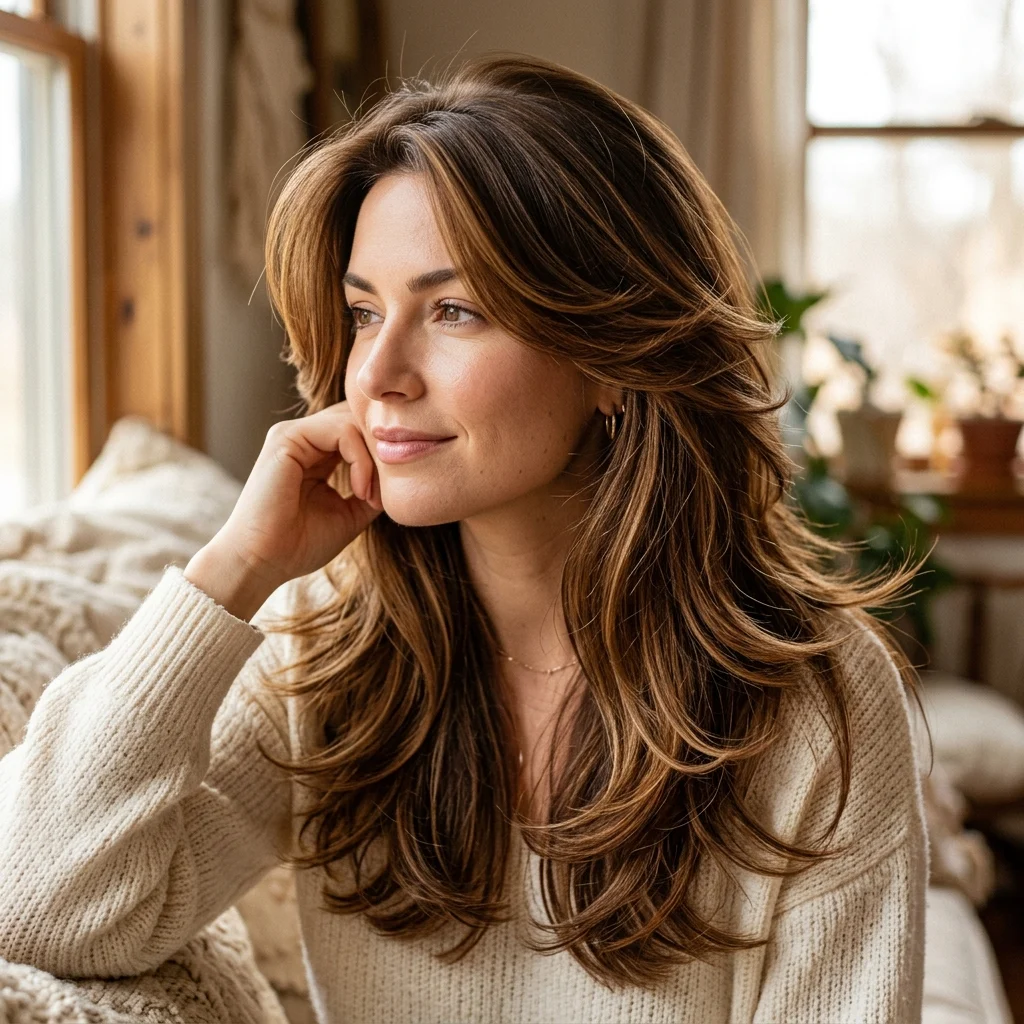
Vibe: Sun-warmed and easy, like hair that moves with you instead of against you.
Why it works: This cut relies on long layers cut with a razor rather than blunt shears, so the ends separate into soft flicks instead of one heavy curtain. The layering starts around the cheekbone, which lifts the face and adds shape without shortening length. Round brushing the ends outward, away from the face, is what recreates the signature 70s flick.
How to get it: Ask your stylist for face-framing layers starting at the chin, cut with a razor for texture, a request that typically adds no extra charge to a standard haircut priced $50 to $100. Blow dry with a large round brush, rolling the ends outward at the very last pass. Finish with a lightweight, flexible-hold spray like Oribe Superfine Hairspray so the flick holds without stiffness.
Shop the Look
| Product |
|---|
| Large barrel round hair brush for blowout volume |
| Ionic ceramic hair dryer with diffuser attachment |
| Lightweight flexible hold finishing hairspray |
| Heat protectant spray for fine to medium hair |
| Wide tooth detangling comb for wet hair |
2. Feathered Bob
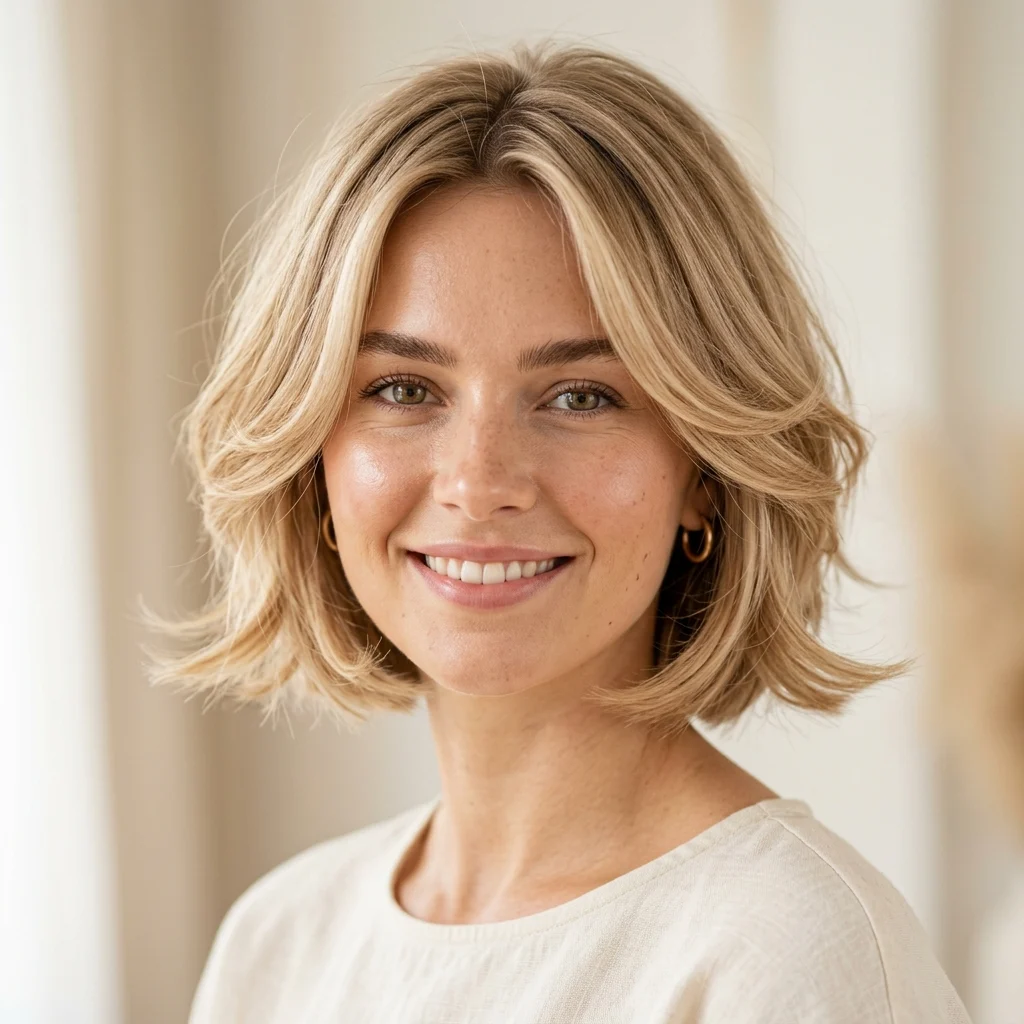
Vibe: Crisp and light, a shape that reads polished even when you barely style it.
Why it works: The bob’s blunt outer perimeter stays intact while internal layers are point cut to feather the ends, giving structure and softness at once. This contrast between a clean shape and a textured interior is a classic proportion technique that keeps a short cut from looking severe. The feathering also hides the harsh line most bobs get at the jaw.
How to get it: Request a bob with the perimeter left blunt and only the interior layers feathered with a razor. Style with a small round brush, curving the ends slightly inward or outward depending on your face shape. A texturizing cream like Bumble and bumble Surf Creme adds separation without weight.
Shop the Look
| Product |
|---|
| Small barrel round brush for bob length hair |
| Texturizing cream for separation and matte finish |
| Tourmaline flat iron for smoothing and flicking ends |
| Heat protectant serum for short hair |
| Satin hair scarf for overnight shape retention |
3. Feathered Curtain Bangs
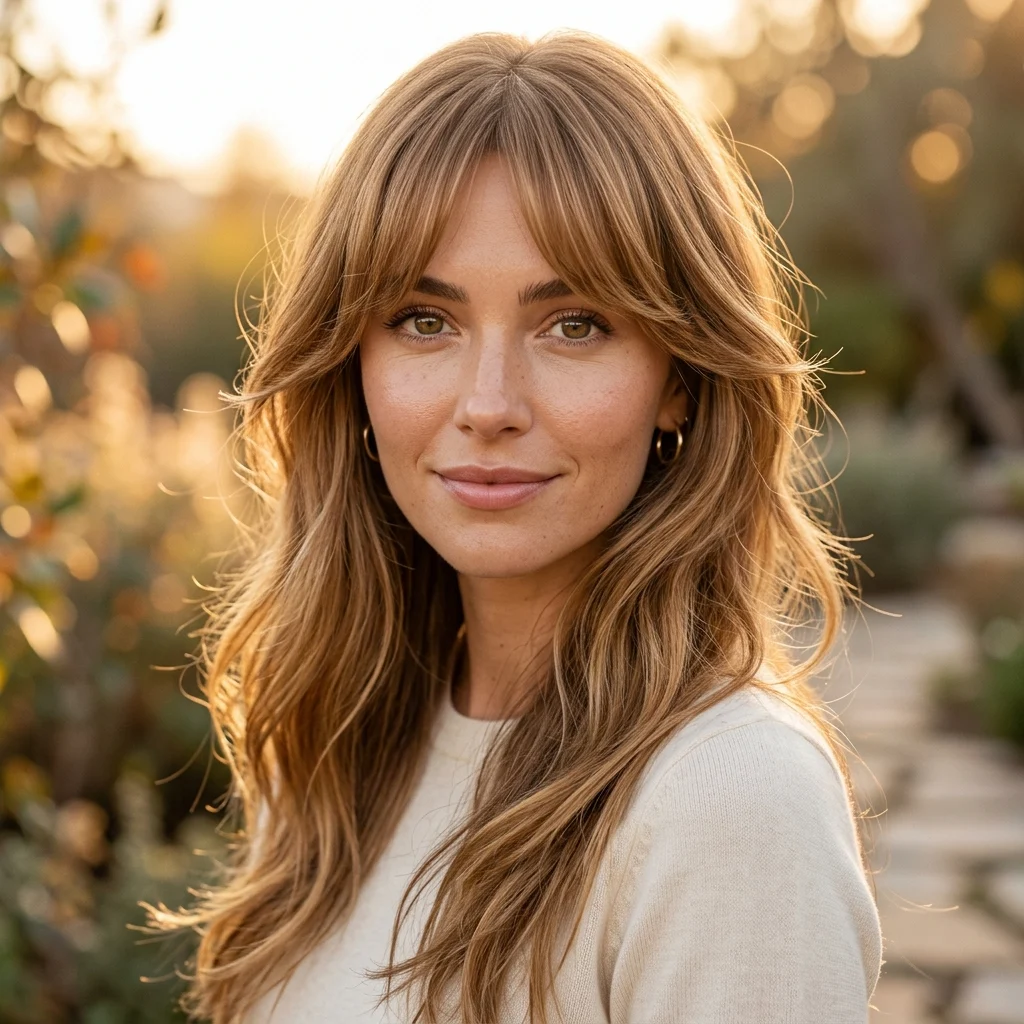
Vibe: Soft-focus and inviting, the kind of fringe that frames without hiding.
Why it works: Curtain bangs are cut longest at the center part and shortest near the temples, then feathered so they blend into the rest of the hair rather than sitting as a separate block. This graduated length is a proportion technique that flatters nearly every face shape by drawing the eye inward and slightly up. The feathering at the tips keeps the fringe from looking like a heavy 60s bang.
How to get it: Ask for bangs cut on an angle from your center part, longest at roughly cheekbone level and shortest near the brow bone. Round brush them away from the face in two sections. A small amount of Kerastase Elixir Ultime oil on dry ends keeps the flick soft instead of crunchy.
Shop the Look
| Product |
|---|
| Mini round hair brush for bang styling |
| Travel size ceramic flat iron for fringe |
| Lightweight hair oil for shine without weight |
| Bang trimming scissors for at home maintenance |
| Clear bobby pins for growing out sections |
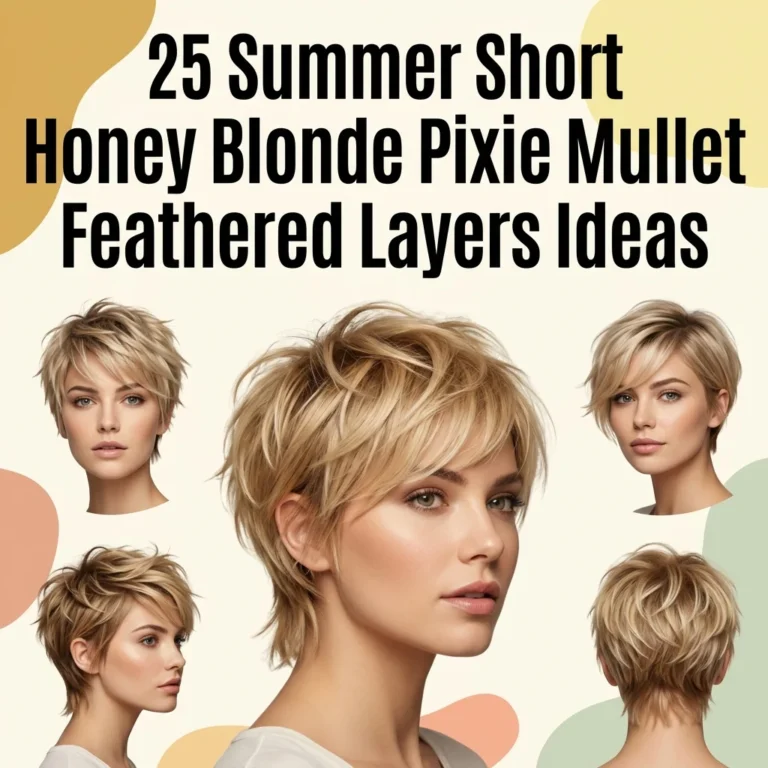
4. Feathered Pixie
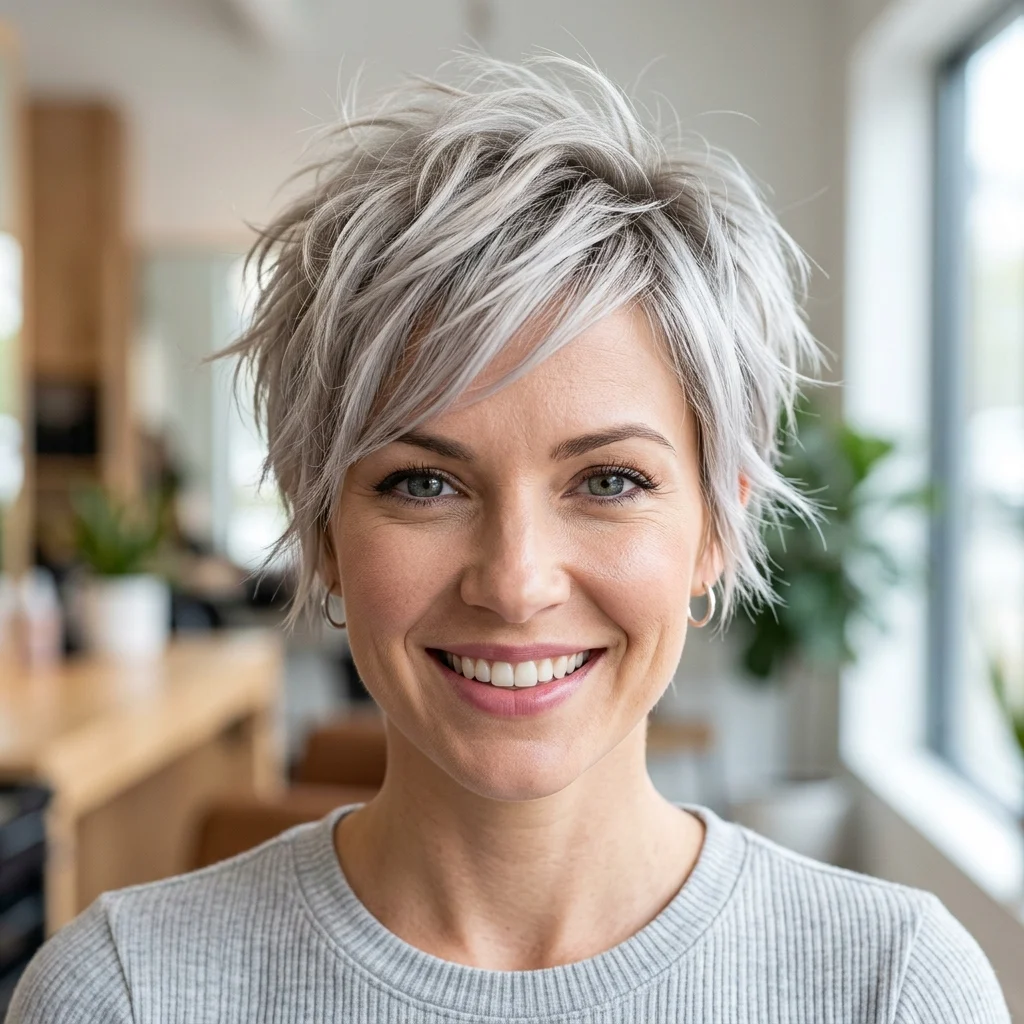
Vibe: Featherlight and quick, a cut that looks finished in minutes.
Why it works: Pixies rely on stacked, feathered layers at the crown to build height without bulk, since short hair has less natural weight to create volume on its own. Razor cutting at the tips prevents the classic pixie stiffness that comes from blunt scissor work. This is a texture principle, thinner ends move more freely than thick blunt ones.
How to get it: Ask for a pixie with feathered, point-cut layers at the crown and a slightly longer, textured fringe. Use a small amount of matte paste like American Crew Fiber worked into damp roots before diffusing upward. Finish by pinching the ends between fingers for definition rather than brushing them flat.
💡 Quick Win: Keep a travel size dry texture spray in your bag. Two spritzes at the roots refresh a pixie’s lift between washes without a full restyle.
Shop the Look
| Product |
|---|
| Matte styling paste for short textured hair |
| Compact diffuser attachment for pixie volume |
| Dry texture spray for root lift refresh |
| Fine tooth styling comb for precise parting |
| Boar bristle brush for smoothing short layers |
5. Feathered Layers with Balayage
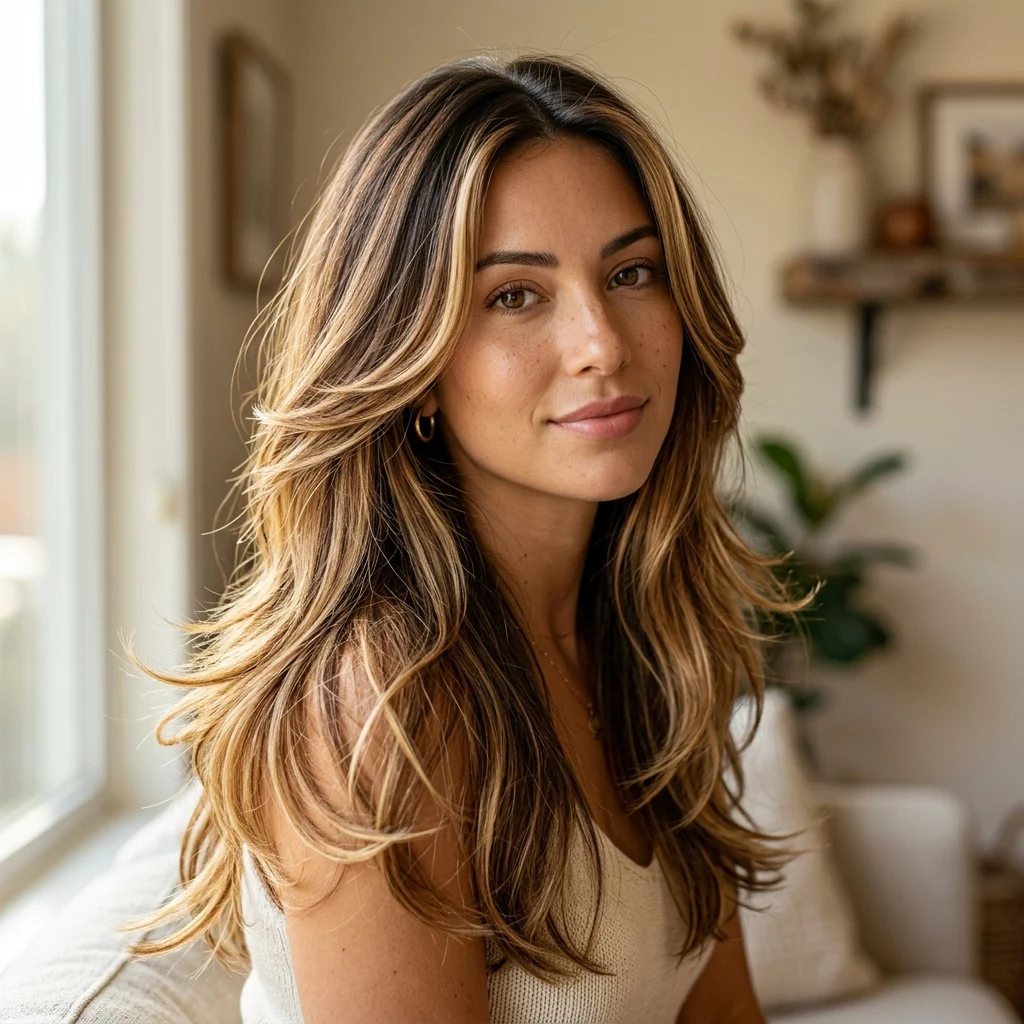
Vibe: Luminous and layered, hair that looks lit from within.
Why it works: Balayage is hand painted rather than foiled, so the lightened pieces sit closest to the surface and the ends, which is exactly where feathered layers flick outward and catch light. The color and the cut reinforce each other, dimension is most visible on movement, and feathered ends move the most. This pairing is a texture and light principle working together.
How to get it: Choose a balayage placement that follows your feathered layer lines rather than a uniform grid, so highlights land on the pieces that flick. Ask your colorist to keep the shadow root two to three shades darker for contrast. A gloss treatment like Redken Shades EQ every eight weeks, typically $30 to $60 per visit, keeps the blend from turning brassy.
Shop the Look
| Product |
|---|
| Purple toning shampoo for balayage upkeep |
| Glossing hair mask for shine and tone |
| UV protectant spray for color longevity |
| Wide tooth comb for detangling colored hair |
| Silk pillowcase to reduce color fade friction |
6. Feathered Shag
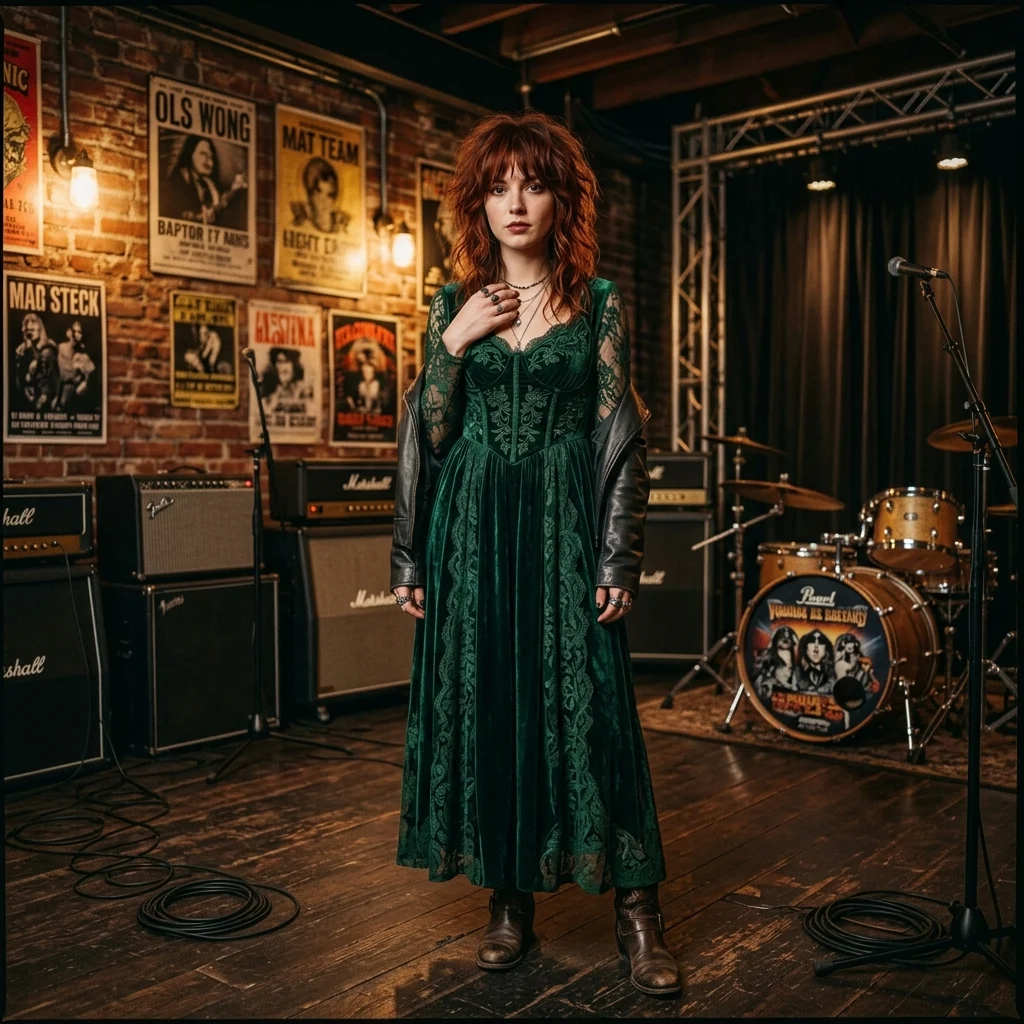
Vibe: Raw and undone, a cut that looks good on purpose without trying too hard.
Why it works: A shag pushes feathering to its most extreme, with layers cut close together throughout the whole head rather than just at the perimeter, which removes almost all uniform weight. This texture layering principle creates the choppy, piecey look shags are known for. Razor work at every layer, not just the ends, is what gives the shag its signature roughness.
How to get it: Ask for a shag with layers cut every one to two inches apart, razor textured rather than scissor cut. Apply a sea salt spray like Bumble and bumble Surf Spray to damp hair before air drying for natural texture. Scrunch rather than brush while drying to keep the choppy separation intact.
Shop the Look
| Product |
|---|
| Sea salt texturizing spray for beachy hold |
| Texturizing powder for root volume and grip |
| Diffuser attachment for enhancing natural texture |
| Matte finishing wax for piece definition |
| Wide barrel curling iron for loose bend |
7. Feathered Lob
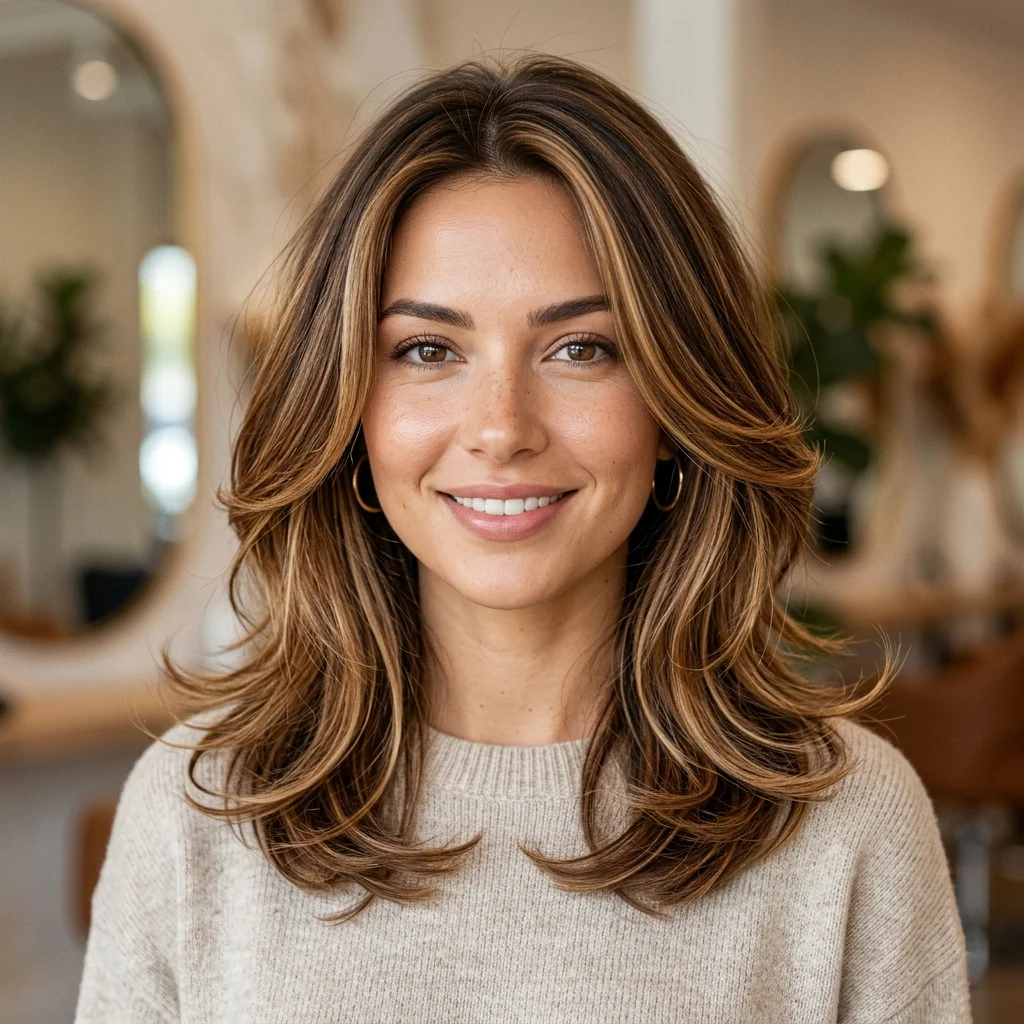
Vibe: Clean and unfussy, a length that works in a ponytail or down.
Why it works: The lob sits at collarbone length, which is long enough to hold a feathered flick without the ends collapsing under their own weight, a common problem with longer feathered cuts on fine hair. Light internal layering keeps the perimeter mostly intact for versatility. This is a proportion choice, enough length for movement, not so much that it flattens.
How to get it: Request a lob with layers starting no higher than the cheekbone, so the ends stay heavy enough to hold shape. Blow dry with a medium round brush, flicking only the last two inches outward. A volumizing mousse like Living Proof Full applied at the roots before drying keeps the length from looking flat.
Shop the Look
| Product |
|---|
| Medium round brush for lob length styling |
| Volumizing mousse for root lift |
| Heat protectant spray for daily blow drying |
| Small clip on hair curler set for ends |
| Flexible hold hairspray for all day movement |
8. Feathered Layers for Curly Hair
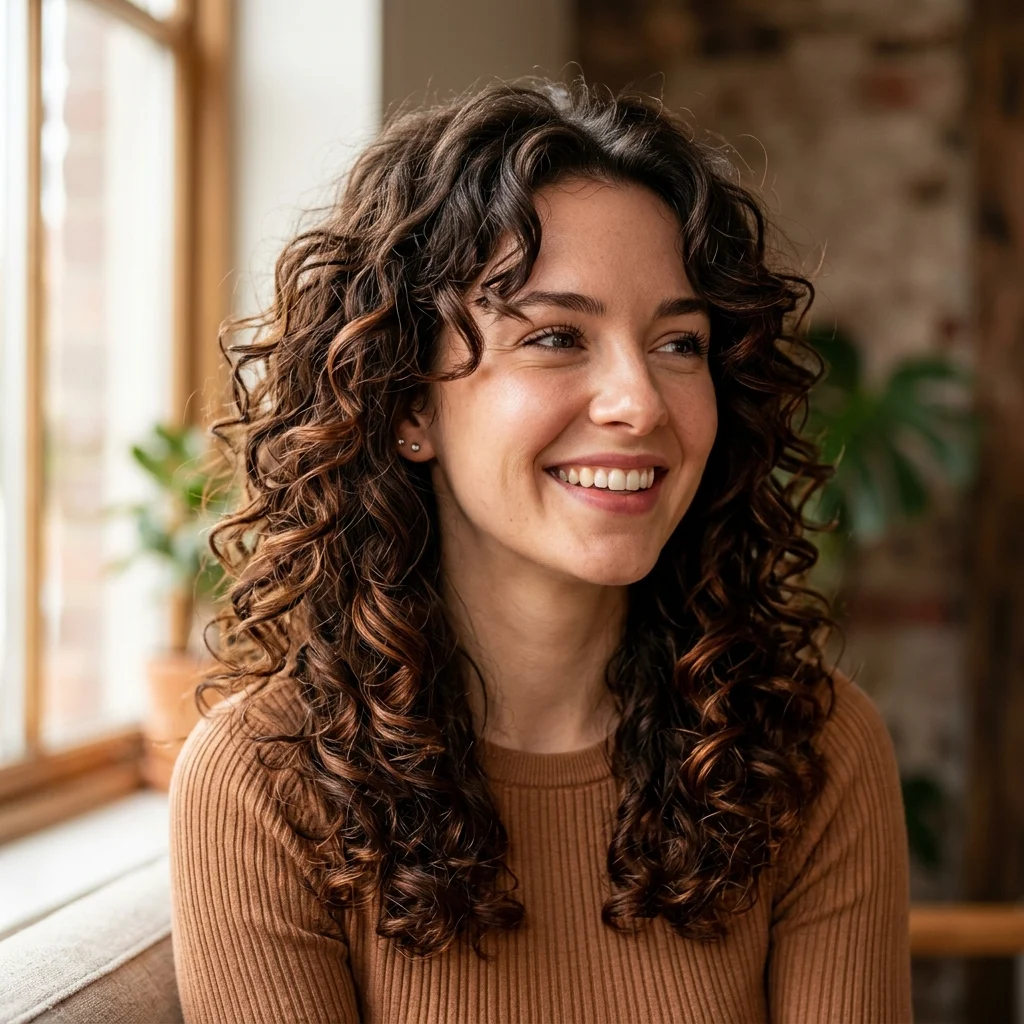
Vibe: Full and springy, curls that bounce instead of weighing straight down.
Why it works: Curly hair shrinks upward as it dries, so feathered layers must be cut dry rather than wet to account for that shrinkage, a technical distinction that separates a good curly cut from a lopsided one. Feathering removes bulk at the ends, which reduces the triangle shape many curly cuts fall into. This is a weight distribution principle specific to curl patterns.
How to get it: Find a stylist trained in dry cutting curly hair and ask for feathered layers concentrated around the face rather than throughout. Apply a curl cream like DevaCurl SuperCream to soaking wet hair, then diffuse on low heat. Avoid brushing dry curls, which breaks up the natural clump and flattens the feathered shape.
💡 Quick Win: Sleep on a satin bonnet or pillowcase to preserve curl definition overnight so you can skip a full restyle the next morning.
Shop the Look
| Product |
|---|
| Curl defining cream for wash and go styling |
| Diffuser attachment for hooded or handheld dryer |
| Wide tooth comb for detangling curly hair |
| Satin bonnet for overnight curl preservation |
| Curl refresher spray for second day hair |
9. Face-Framing Feathered Layers
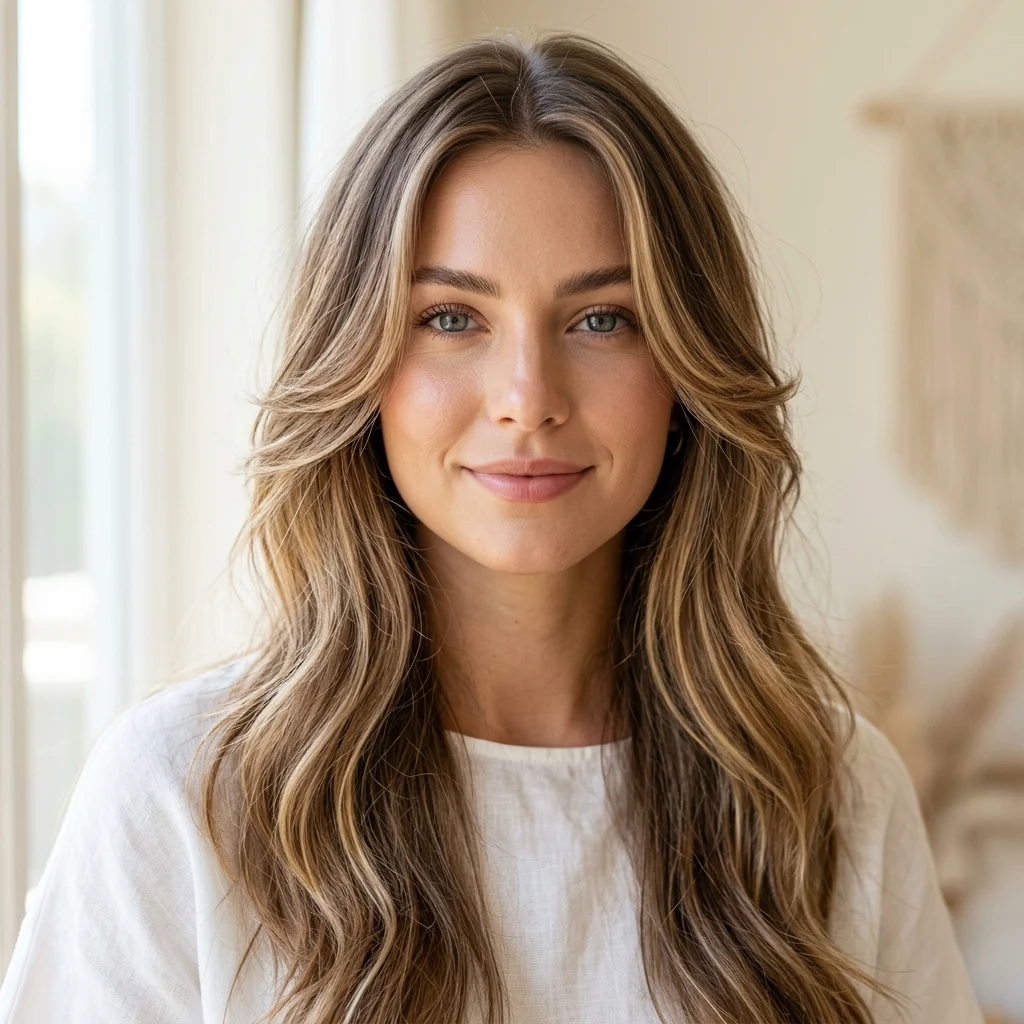
Vibe: Soft and sculpted, a shape that highlights the face without a full haircut.
Why it works: This look adds short, feathered pieces around the face while leaving the rest of the length untouched, a layout choice that reshapes the face without committing to a full layered cut. The shortest piece typically hits the cheekbone, which is a proportion rule for drawing attention to bone structure. It works especially well for round or square faces that want more visible angles.
How to get it: Ask for face-framing layers only, starting at the cheekbone and blending into the rest of your length over about four inches. Curl the framing pieces away from the face with a one inch wand for definition. Keep the rest of your hair straight or loosely waved so the framing pieces stand out.
Shop the Look
| Product |
|---|
| One inch curling wand for face framing pieces |
| Heat protectant mist for targeted styling |
| Small section clips for isolating face frame |
| Shine serum for polished face framing pieces |
| Flexible hold hairspray for lasting definition |
10. Feathered Layers with Money Piece Highlights
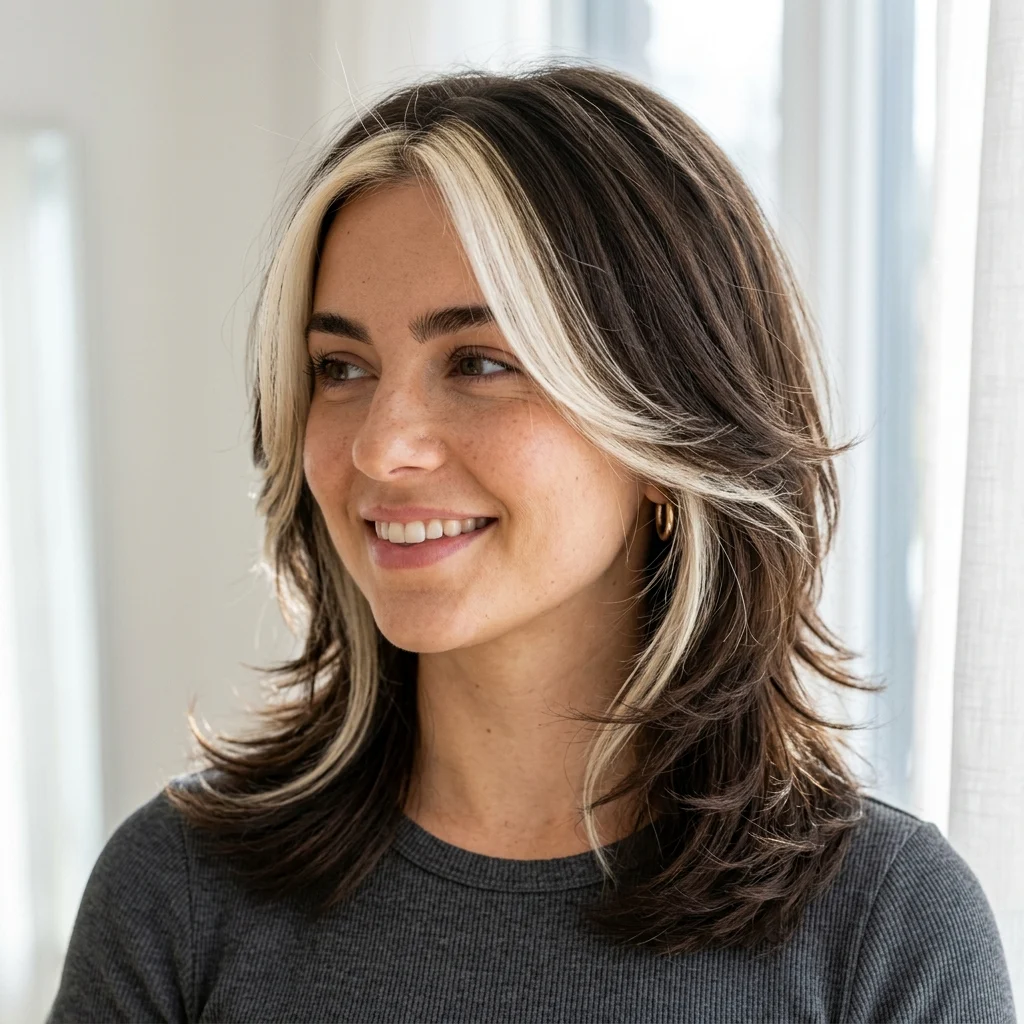
Vibe: Bright and directional, color that pulls the eye exactly where you want it.
Why it works: A money piece places the brightest highlight directly on the face-framing feathered pieces rather than distributed evenly, which is a contrast principle that maximizes brightness with minimal lightening overall. Because feathered layers already sit closest to the face, the highlight and the cut land in the same place, amplifying both. This makes the color read as more dramatic than the actual amount of lightener used.
How to get it: Ask your colorist for foils placed only on the two front feathered pieces, lightened two to three shades brighter than the rest of your balayage or base color, a service that usually adds $30 to $70 to your regular color appointment. Keep everything else natural or lowlighted for contrast. Touch up the money piece every six to eight weeks since it grows out visibly faster near the part.
Shop the Look
| Product |
|---|
| Purple shampoo for keeping blonde pieces cool |
| Bond building hair mask for lightened strands |
| Root touch up powder for regrowth blending |
| Heat protectant for lightened, more fragile hair |
| Small round brush for framing piece blowout |
11. Feathered Mullet
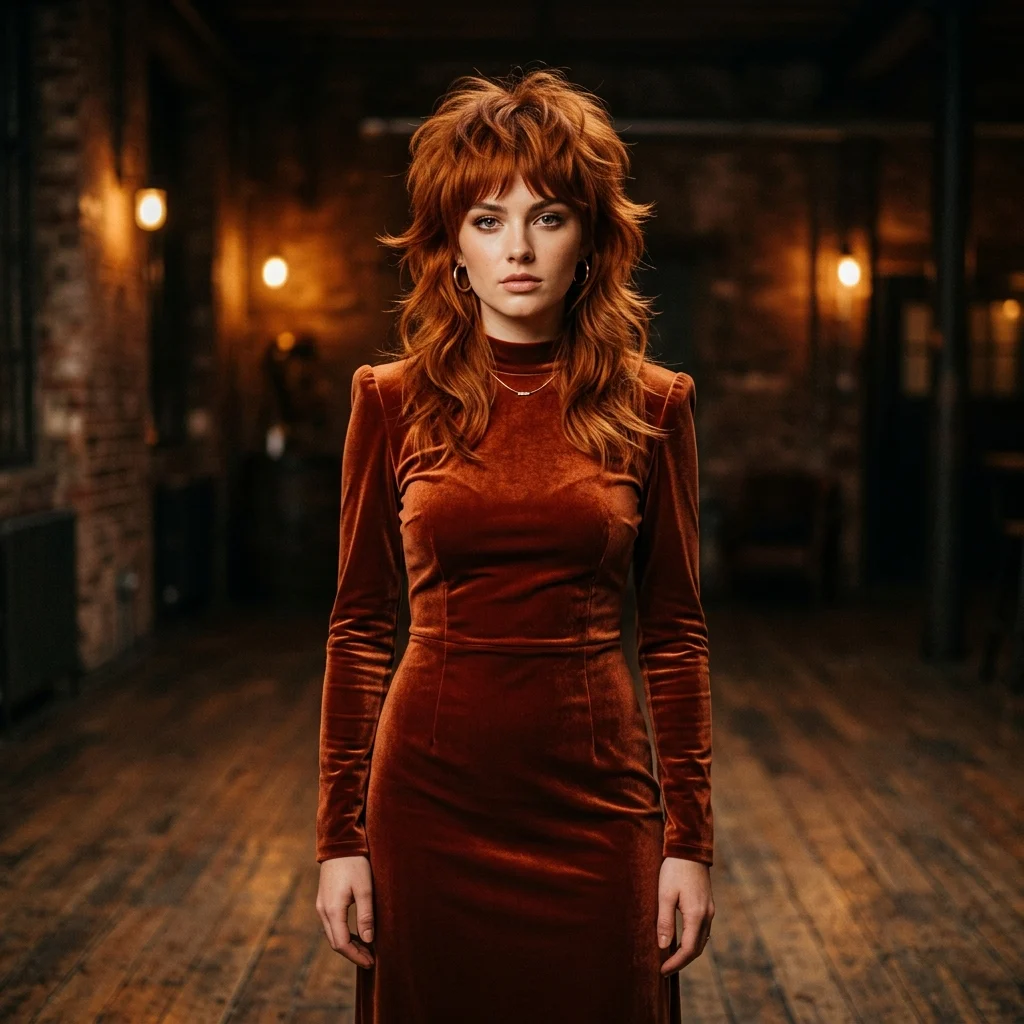
Vibe: Bold and unbothered, a cut built for hair that has somewhere to be.
Why it works: The modern mullet exaggerates the classic short-front, long-back structure, but feathering the crown and the ends is what keeps it from looking dated rather than intentional. This is a texture layering technique where shorter top layers are razor cut to blend into the longer back section instead of creating a hard step. The contrast in length is the point, but the contrast in texture is what makes it wearable.
How to get it: Ask for a mullet with the crown layers feathered short and blended gradually into a longer, flicked back section rather than cut in one abrupt line. Use a texturizing spray at the roots for lift, then diffuse the crown while leaving the back to air dry. A matte pomade defines the shorter top pieces without shine.
Shop the Look
| Product |
|---|
| Root lifting spray for crown volume |
| Matte pomade for short layer definition |
| Diffuser attachment for crown texture |
| Texturizing spray for piecey separation |
| Fine tooth comb for precise parting lines |
12. Feathered Layers for Fine Hair
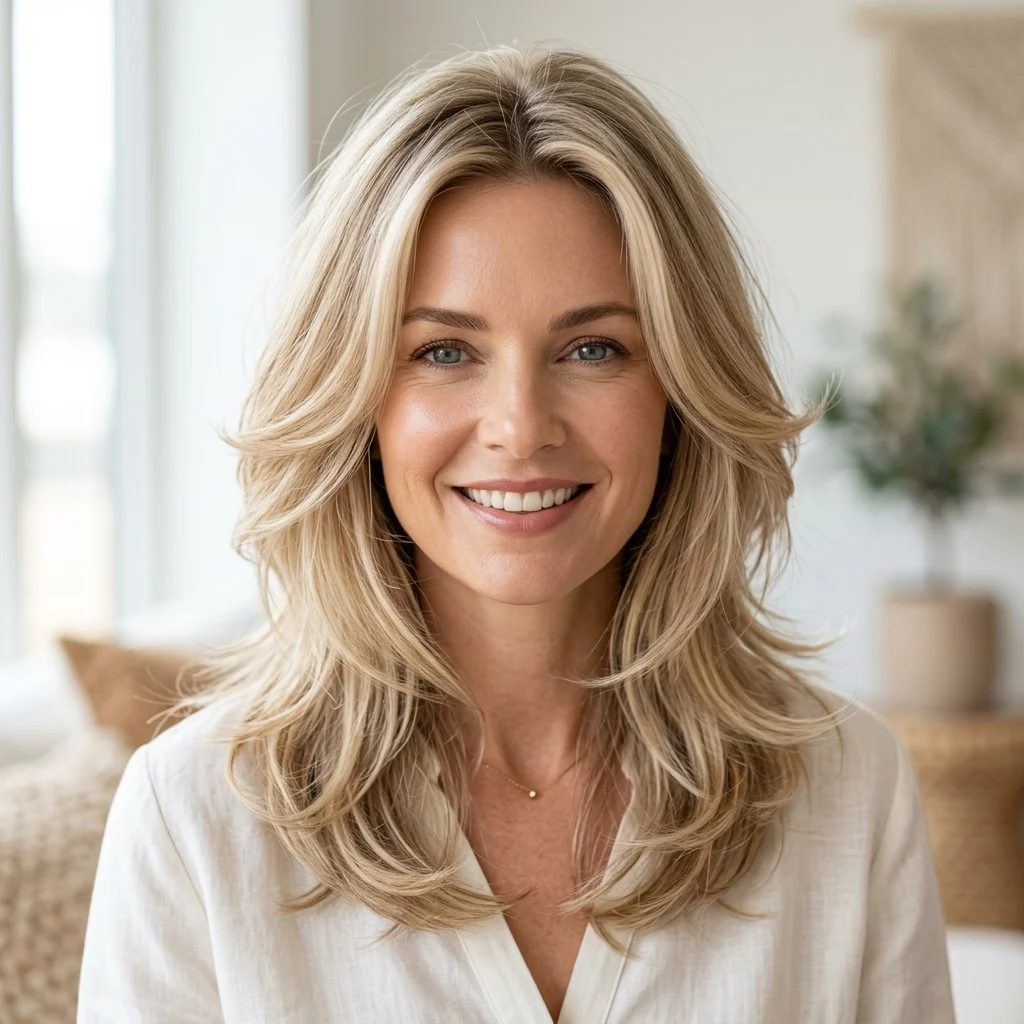
Vibe: Light and lifted, hair that looks fuller than it is.
Why it works: Fine hair loses volume quickly when heavily layered, so feathering must stay minimal, concentrated only at the very ends rather than throughout the length, which is a weight preservation principle specific to thin strands. Keeping most of the hair’s natural weight intact prevents the wispy, thin look fine hair can fall into with too much layering. The feathering here is about softening the line, not removing bulk.
How to get it: Ask your stylist for the lightest possible feathering, done only in the last inch or two of the ends. Blow dry upside down first to build root volume, then finish with a round brush flicking only the tips. A volumizing spray like Oribe Maximista at the roots on damp hair adds lasting lift.
💡 Quick Win: Sleep in a low, loose braid instead of a tight ponytail to avoid creasing fine hair and wake up with soft, natural wave already in place.
Shop the Look
| Product |
|---|
| Volumizing root spray for fine hair |
| Lightweight mousse for body without weight |
| Medium round brush for tip flicking |
| Fine mist hairspray for hold without stiffness |
| Wide tooth comb for gentle detangling |
13. Feathered Half-Up Style
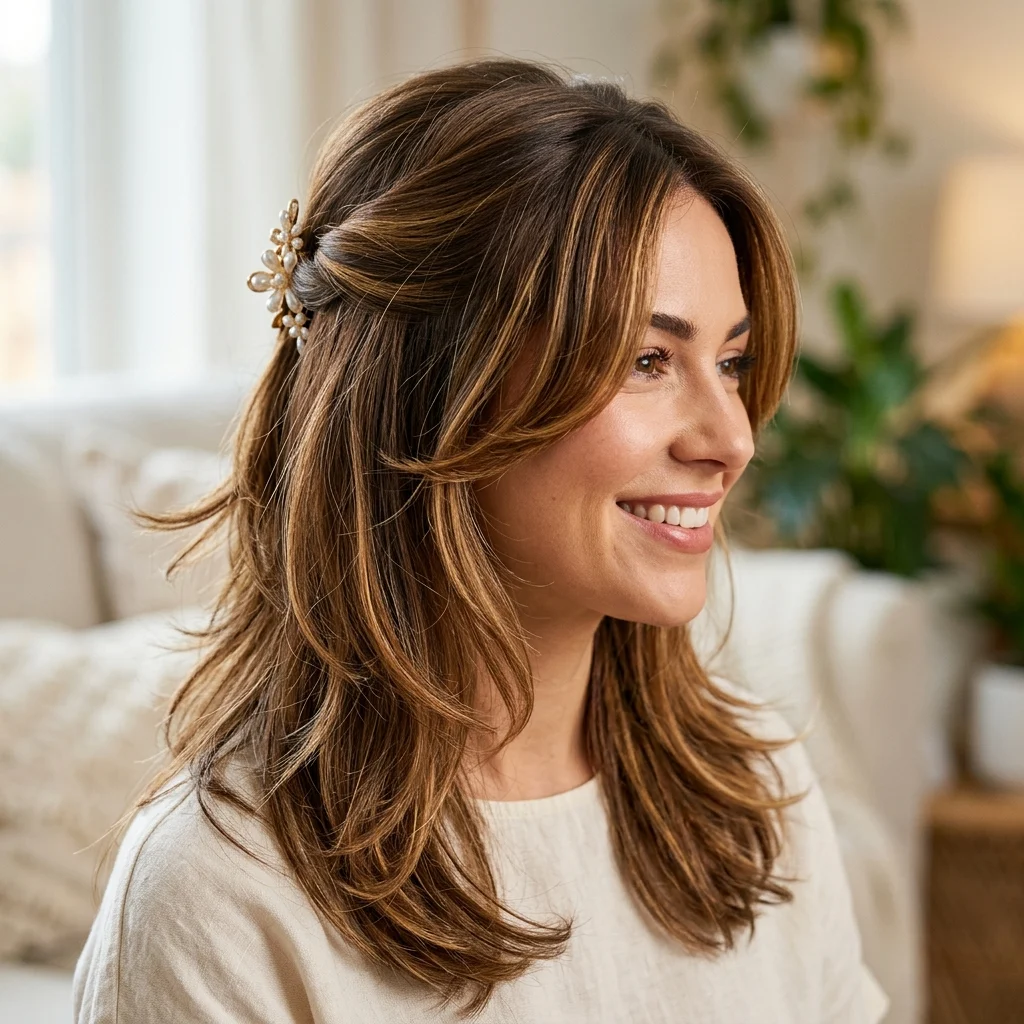
Vibe: Effortless and romantic, a style that looks done without looking fussy.
Why it works: Pulling back the crown while leaving feathered face-framing pieces down is a layout principle, it isolates the flicked layers so they remain the visual focus instead of getting lost in loose hair. The twist or clip at the crown also adds height, which balances the volume left hanging around the face. This works because it uses the haircut’s existing shape rather than fighting it.
How to get it: Section off the top third of your hair and secure it with a twist, small braid, or decorative clip, leaving your feathered face-framing layers loose. Curl only the pieces left down for extra flick. A shine spray on the down sections keeps them from looking flat next to the secured crown.
Shop the Look
| Product |
|---|
| Decorative hair clip for half up styles |
| Small curling iron for loose face pieces |
| Shine spray for polished finished look |
| Bobby pins for securing twisted sections |
| Texturizing spray for grip during twisting |
14. Feathered Blunt-Cut Ends
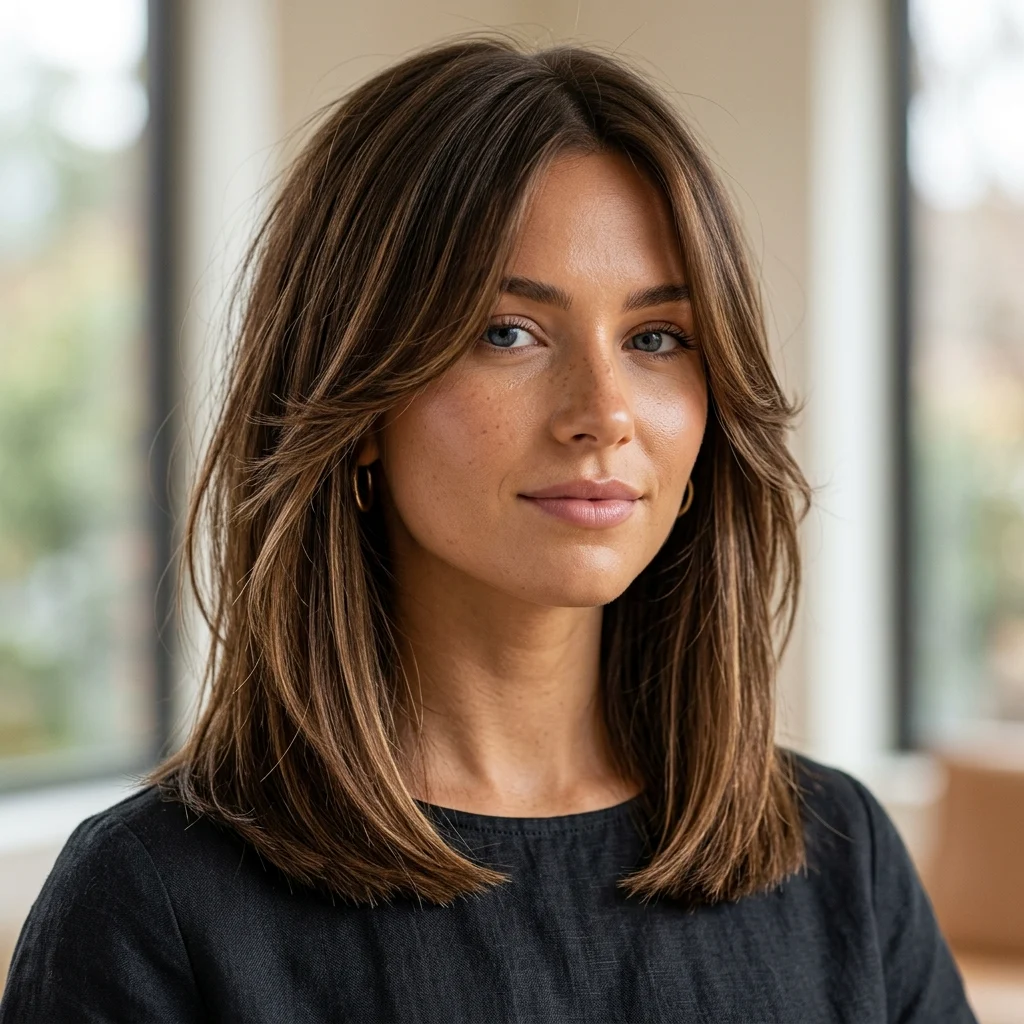
Vibe: Sharp yet soft, structure and movement living in the same haircut.
Why it works: Keeping the outer perimeter blunt while only feathering the interior face-framing layers is a contrast principle, hair looks thicker and more polished at the ends while still having movement near the face. This technique is popular because it photographs as healthy and full rather than thinned out, which is a common complaint with all-over layering. It is essentially the opposite structure of a shag.
How to get it: Ask your stylist to keep your blunt ends completely untouched and only add feathered layers from the cheekbone up toward the crown, blended into the front sections. Straighten the blunt length for a sleek finish and curl only the shorter framing pieces. This contrast is easiest to maintain with a flat iron for the length and a small wand for the face frame.
Shop the Look
| Product |
|---|
| Ceramic flat iron for sleek blunt length |
| Small curling wand for face framing contrast |
| Anti frizz serum for a glass like finish |
| Heat protectant spray for dual styling tools |
| Fine mist hairspray for a natural hold |
15. Feathered Layers for Thick Hair
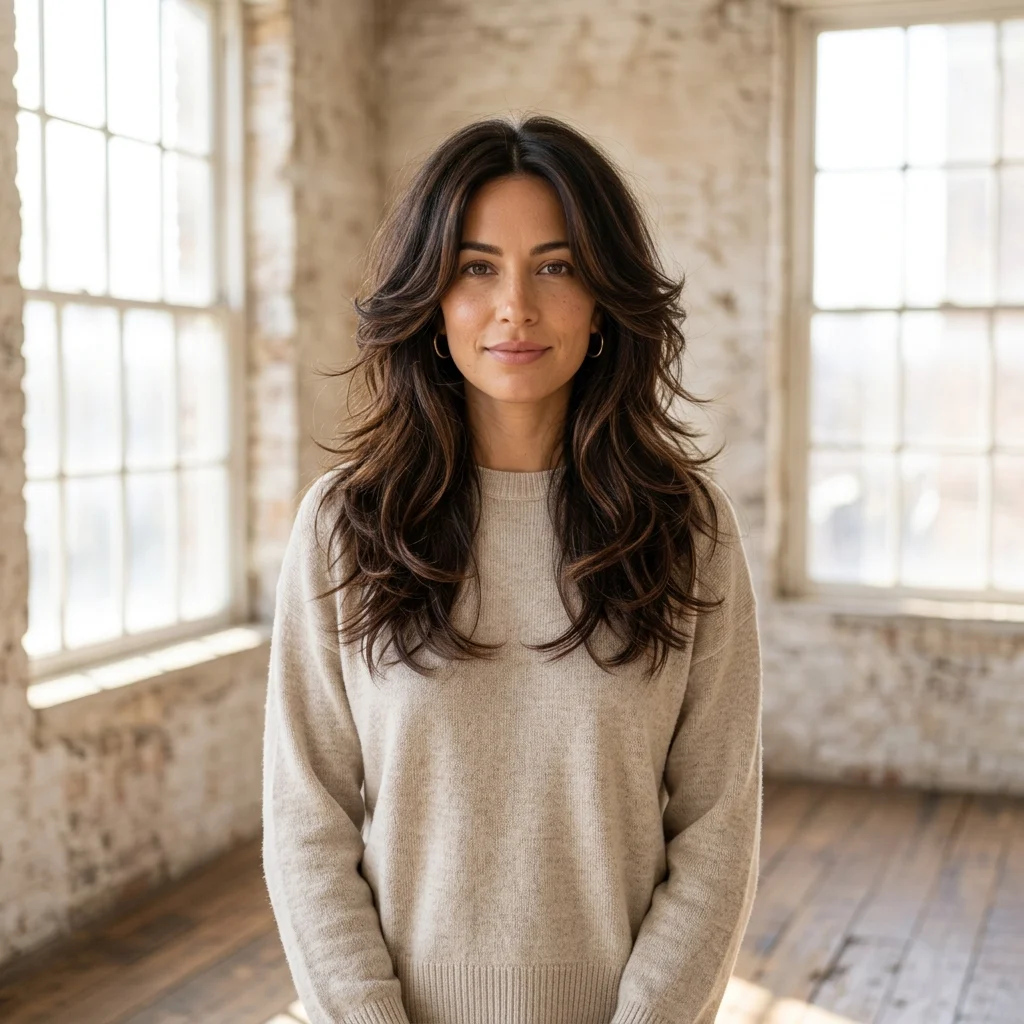
Vibe: Weightless despite the volume, hair that finally moves the way it should.
Why it works: Thick hair often looks heavy and triangular without enough internal layering, so deeper feathering throughout the mid-lengths and ends is a weight removal principle that lets the natural volume show as shape rather than bulk. Razor work is especially effective here because it removes hair gradually rather than in one blunt cut, avoiding a stepped or shelf-like line. This is the inverse approach used on fine hair.
How to get it: Ask for heavier feathering throughout the interior, not just the ends, with a razor rather than shears to thin gradually. Use a smoothing cream like Living Proof No Frizz before blow drying to control thick hair’s natural puff while the round brush shapes the flick. Deep condition weekly since thick, layered hair can dry out faster at the thinned ends.
Shop the Look
| Product |
|---|
| Smoothing cream for thick hair frizz control |
| Large round brush for shaping thick layers |
| Weekly deep conditioning hair mask |
| Ionic hair dryer for faster thick hair drying |
| Anti frizz hairspray for humidity protection |
16. Feathered Bangs with Long Layers
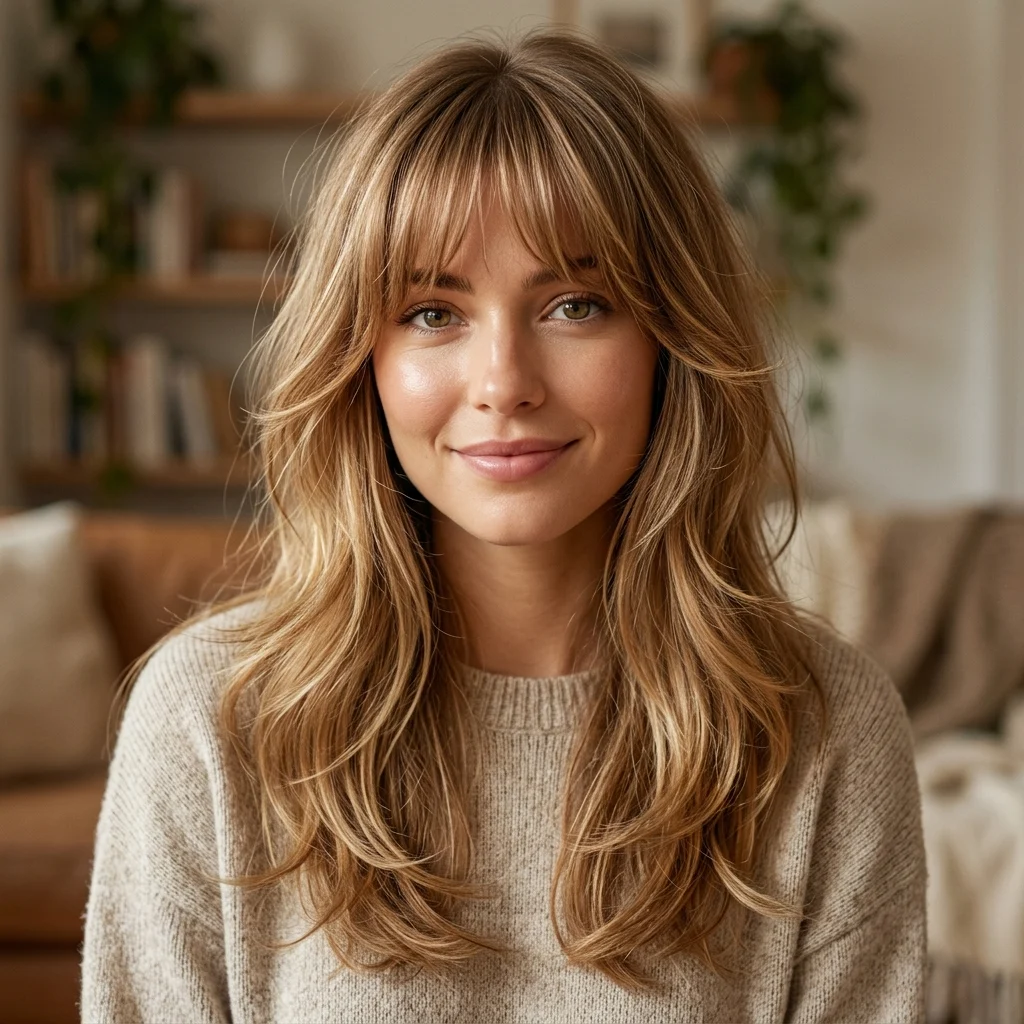
Vibe: Cohesive and dreamy, a full bang that belongs to the haircut instead of sitting apart from it.
Why it works: Cutting the bangs with the same feathered, point-cut technique as the rest of the layers is a consistency principle, it makes a full fringe blend into the length instead of reading as a separate, disconnected piece. This is different from a blunt fringe, which contrasts intentionally with soft layers. Here, everything is designed to move as one texture.
How to get it: Ask your stylist to cut your bangs and your face-framing layers in the same session using the same razor technique so the texture matches exactly. Round brush the bangs alongside the rest of your face-framing pieces rather than styling them separately. A flexible hold spray keeps the whole front section moving together.
Shop the Look
| Product |
|---|
| Small round brush for blended bang styling |
| Flexible hold hairspray for cohesive movement |
| Bang scissors for maintaining shape between cuts |
| Heat protectant spray for daily bang styling |
| Lightweight oil for matching shine across layers |
17. Feathered Layers with Silver Balayage
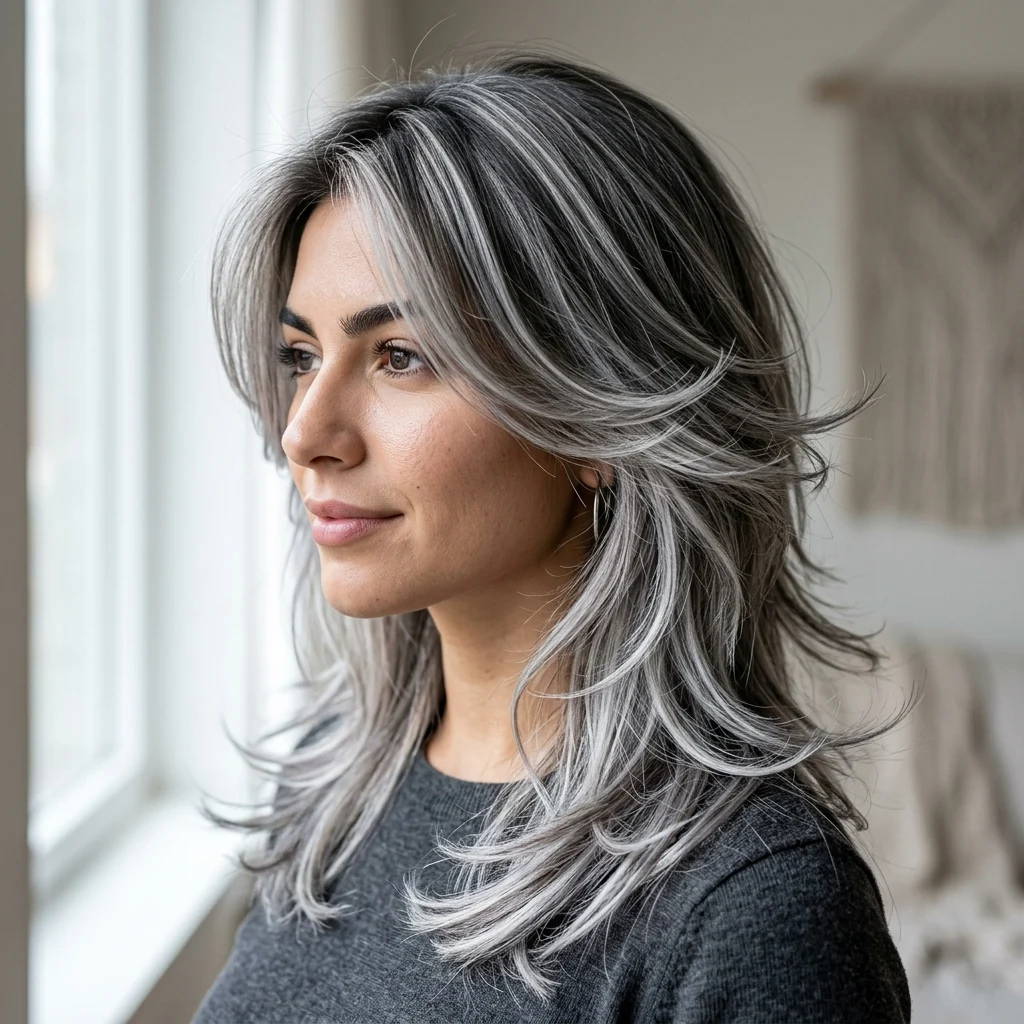
Vibe: Cool and striking, color that reads modern rather than aged.
Why it works: Silver and ash tones show contrast most clearly on movement, so placing this cool balayage on feathered, flicked layers is a light behavior principle, the highlight catches and releases light every time the hair moves. A warm base underneath the silver pieces keeps the overall look from reading flat or one-dimensional. This combination requires more upkeep than warm balayage because cool tones fade toward brass faster.
How to get it: Ask your colorist for a cool, ash toned balayage placed on your feathered face-framing and length pieces, with a slightly warmer shadow root for depth. Use a blue or purple toning shampoo weekly to maintain the cool cast. Gloss treatments every six weeks prevent the silver from shifting yellow between salon visits.
Shop the Look
| Product |
|---|
| Blue toning shampoo for cool silver tones |
| Purple hair mask for weekly tone refresh |
| UV protection spray for color fade prevention |
| Cool toned dry shampoo for grey blending |
| Silk pillowcase for reduced color friction |
18. Low-Maintenance Feathered Waves for Second-Day Hair
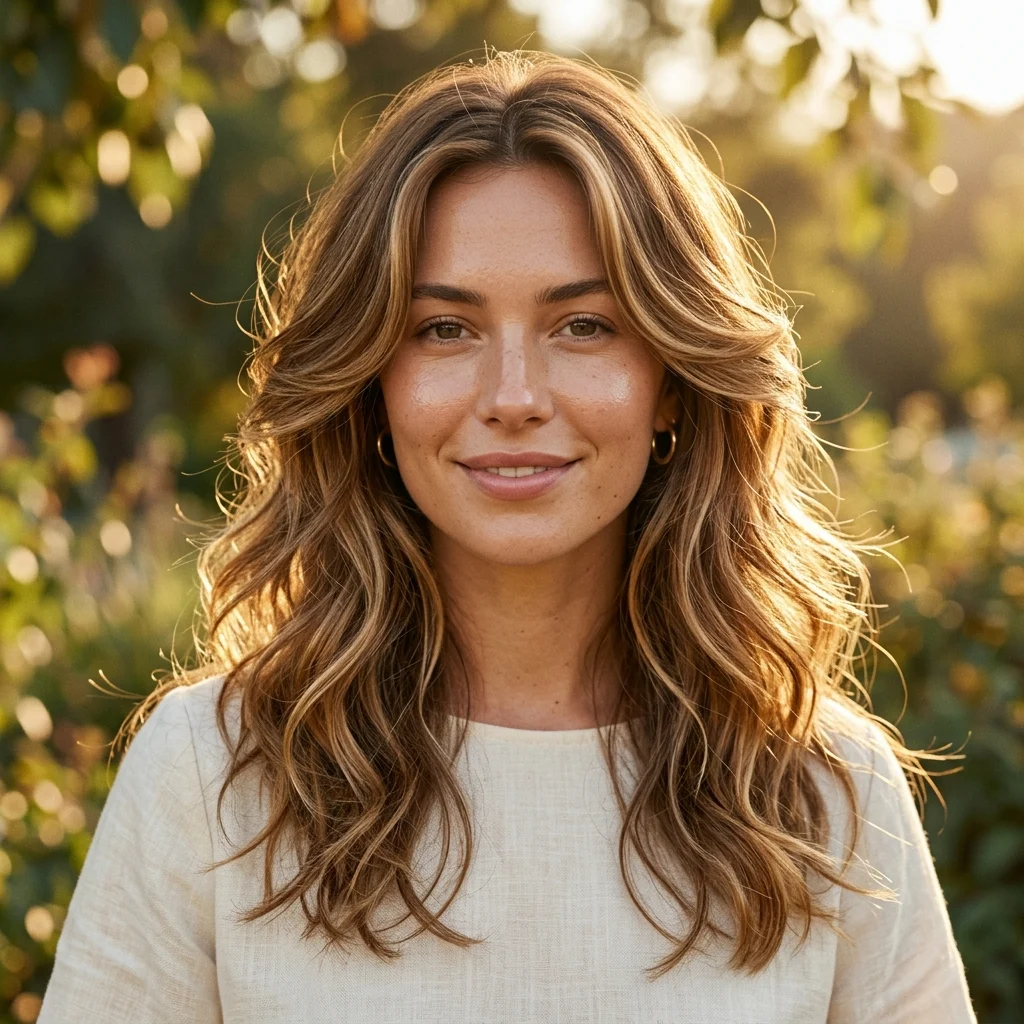
Vibe: Relaxed and lived-in, hair that looks good because it was left alone.
Why it works: Feathered layers hold texture longer than blunt cuts because there is no single heavy line to collapse, which is a texture retention principle that makes this cut ideal for low-maintenance routines. Second-day hair actually enhances the flicked shape since natural oils add grip that fresh, slippery hair lacks. This is why feathered hair is often recommended for anyone who does not want to style daily.
How to get it: On day one, blow dry your feathered layers with a round brush as usual. On day two, apply dry shampoo at the roots, then finger-comb through a small amount of texturizing spray to revive the flicked ends without reheating. This method works especially well in small bathrooms or when travelling with limited styling tools.
💡 Quick Win: Keep a single travel size texturizing spray and dry shampoo duo in your bag for instant second-day refresh anywhere, no outlet or mirror required.
Shop the Look
| Product |
|---|
| Travel size dry shampoo for root refresh |
| Texturizing spray for reviving second day flick |
| Compact detangling brush for on the go touch ups |
| Small hair oil vial for frizz control |
| Travel size flexible hold hairspray |
How to Start Your Feathered Hairstyle Transformation
The single first move is booking a consultation where you ask specifically for face-framing feathered layers cut with a razor, not just “layers,” since many stylists default to blunt scissor layering unless razor work is requested by name. This one detail anchors the entire look, because the razor is what creates the soft, flicked texture that separates feathered hair from standard layering.
The most common mistake is asking for layers throughout very fine hair, which removes too much weight and leaves ends looking thin and see-through instead of soft. The fix is concentrating feathering only at the face frame and the last inch or two of length, preserving weight everywhere else.
Three items under $50 to start building this look: a medium barrel round brush for shaping the flick, a lightweight heat protectant spray like TRESemme Thermal Creations, and a small round hairbrush sized for bangs or face-framing pieces.
A first haircut and blow-dry lesson takes one salon visit and roughly $50 to $150 depending on your area. Mastering the at-home round brush technique realistically takes two to four weeks of practice, while growing existing hair into a fully feathered shape from a blunt cut can take three to six months of gradual trims.
Frequently Asked Questions About Feathered Hairstyles
What is the difference between feathered layers and a shag?
Feathered layers typically keep more length and structure, with the flicking concentrated around the face and ends, while a shag applies choppy layering throughout the entire head for a rougher, more textured silhouette. Both use razor cutting, but a shag is cut with layers spaced closer together, sometimes every one to two inches, compared to the broader sections used in standard feathered layers. If you want a subtler change, ask for feathered face-framing layers rather than a full shag.
What hair color works best with feathered layers?
Balayage and money piece highlights are the most popular choices because feathered ends catch and reflect light differently than blunt ends, making dimensional color look more three-dimensional. Warm tones like honey blonde and caramel work well on most feathered cuts, while cool ash and silver balayage create a striking, modern contrast but require toning maintenance roughly every six to eight weeks. A solid base color also works fine if you prefer low upkeep, since the cut itself provides visual interest.
How much does a feathered haircut cost?
A feathered haircut at a mid-range salon typically runs between $50 and $120, while specialty razor cutting or curly hair specialists can charge $100 to $200 depending on your city. Adding balayage or highlights increases the total to roughly $150 to $350 for a full color and cut service. Many salons offer feathering as part of a standard layered cut price, so it is worth asking if there is an upcharge before booking.
Does a feathered hairstyle work with curly or coily hair?
Yes, but the layers should be cut dry rather than wet, since curls shrink upward significantly as they dry and a wet cut can result in uneven, choppy shaping once the hair curls up. Feathering on curly hair is usually concentrated around the face rather than throughout, since curl already creates its own volume and texture. Seek out a stylist specifically trained in dry cutting curly or coily textures for the best results.
Which face shapes suit feathered hairstyles the most?
Round and square face shapes benefit most because the flicked, face-framing pieces create the illusion of more visible angles and length. Oval and heart-shaped faces also work well, especially with curtain bangs or face-framing layers starting at the cheekbone. Very long, narrow faces may want to keep feathering minimal near the face and concentrate it lower, around the shoulders, to avoid elongating the face further.
Ready to Try a Feathered Hairstyle?
These 18 feathered hairstyles cover everything from color placement and texture technique to length, bangs, and low-maintenance styling, so there is an entry point no matter where your hair is starting from. You do not need a full haircut to begin, adding even a few face-framing feathered pieces at your next trim is a legitimate way to start.
Book that consultation this week and specifically ask for razor-cut, feathered face-framing layers rather than generic layering. Once it grows in, you will notice hair that moves on its own, catches light differently, and feels lighter even at the same length. Save your favorite flick, whether it is the 70s shag or the silver balayage, so you can bring a clear reference photo to your next appointment.