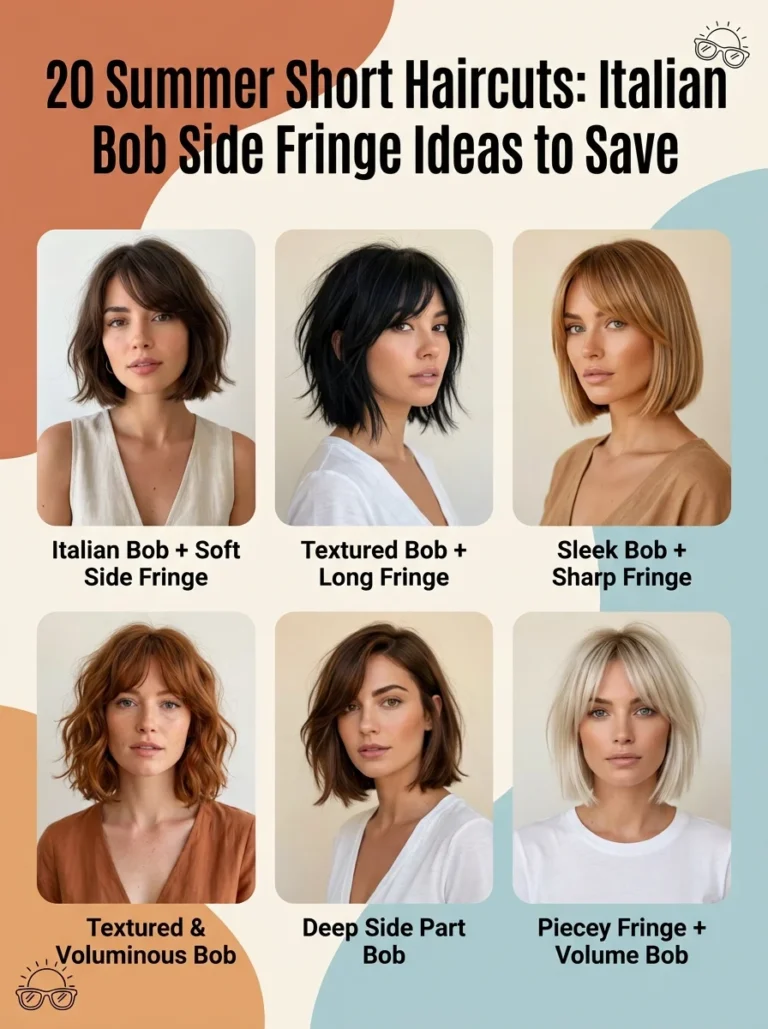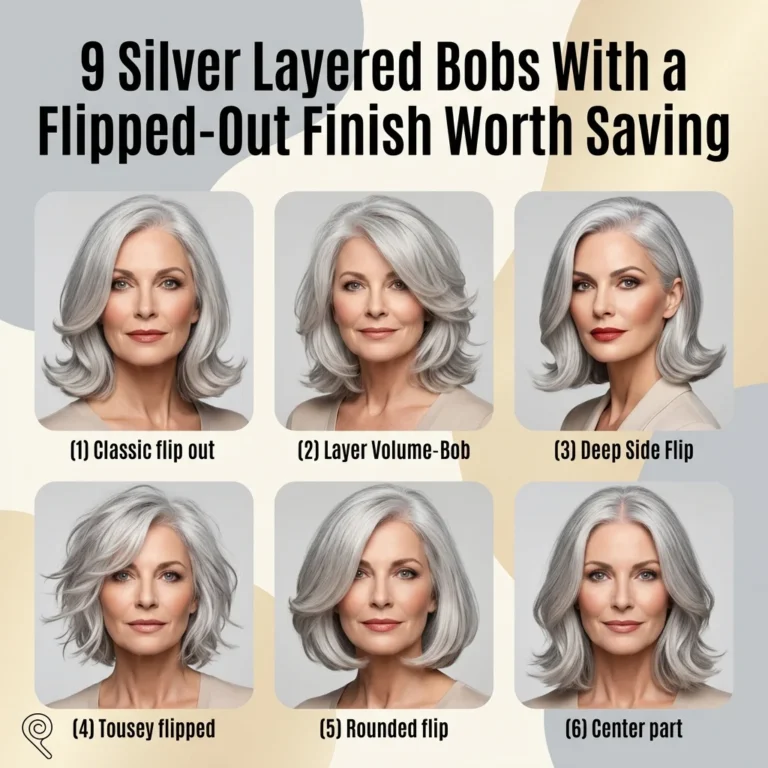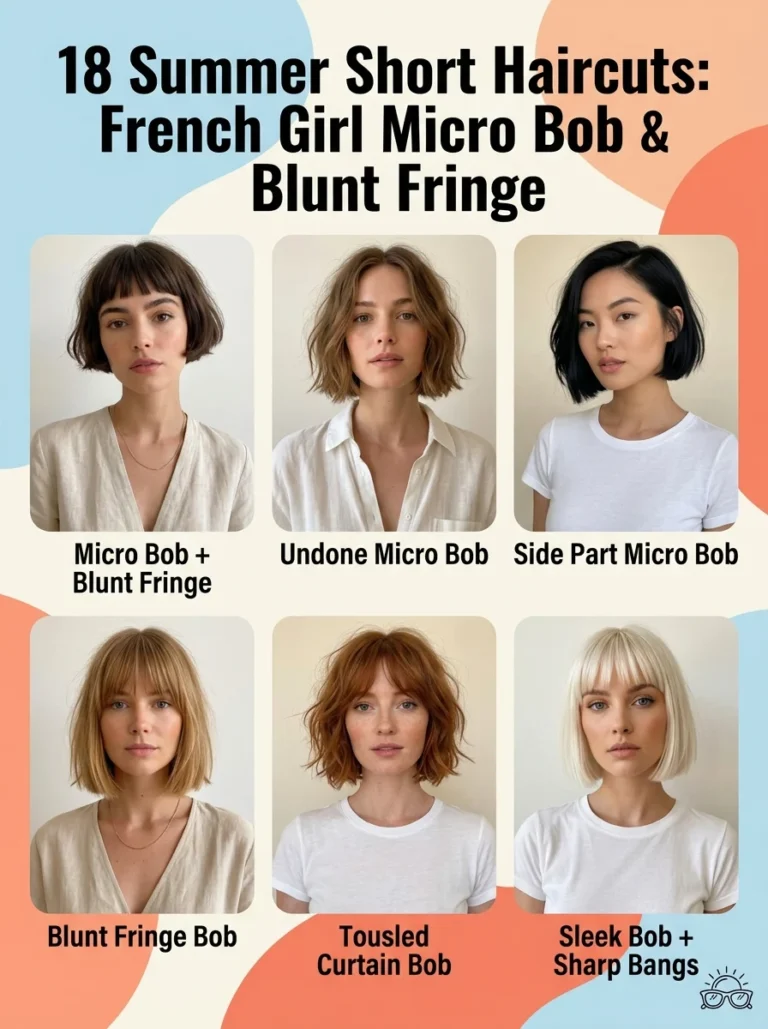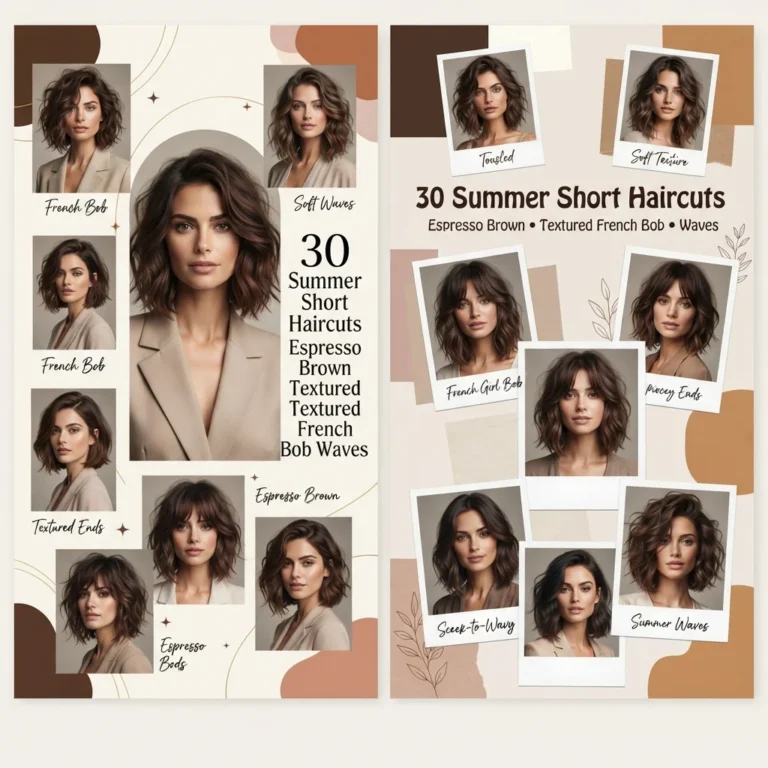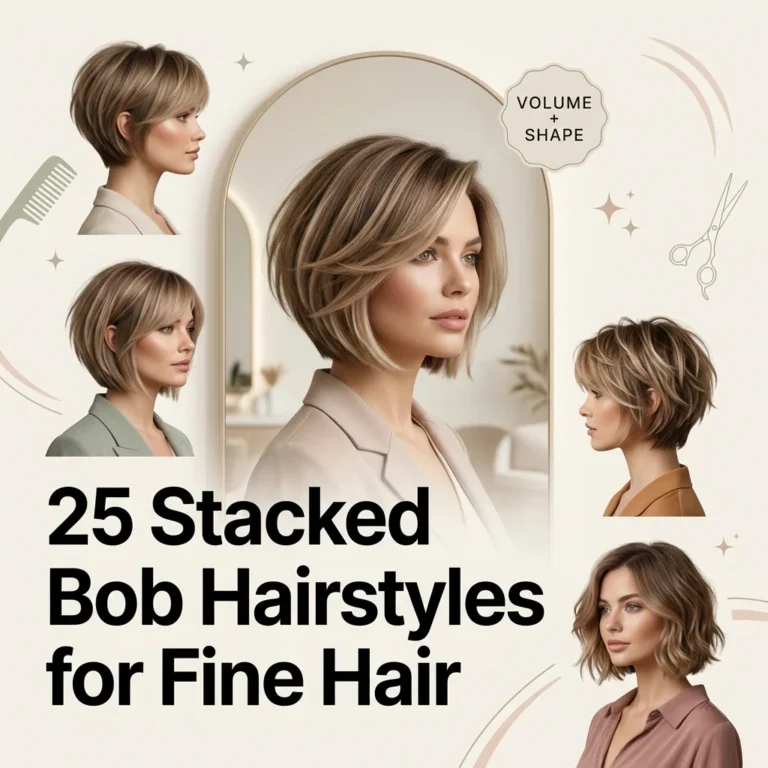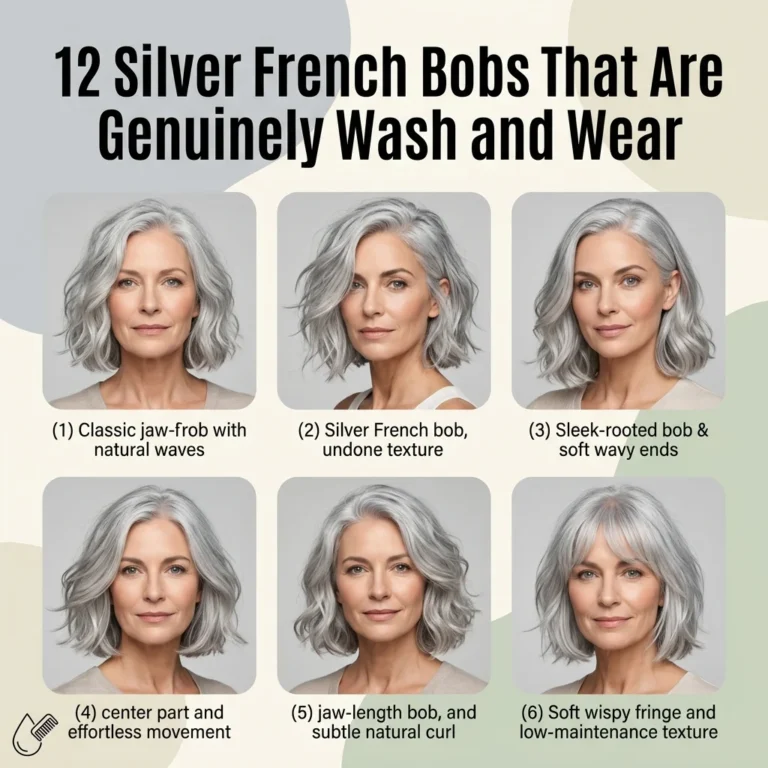
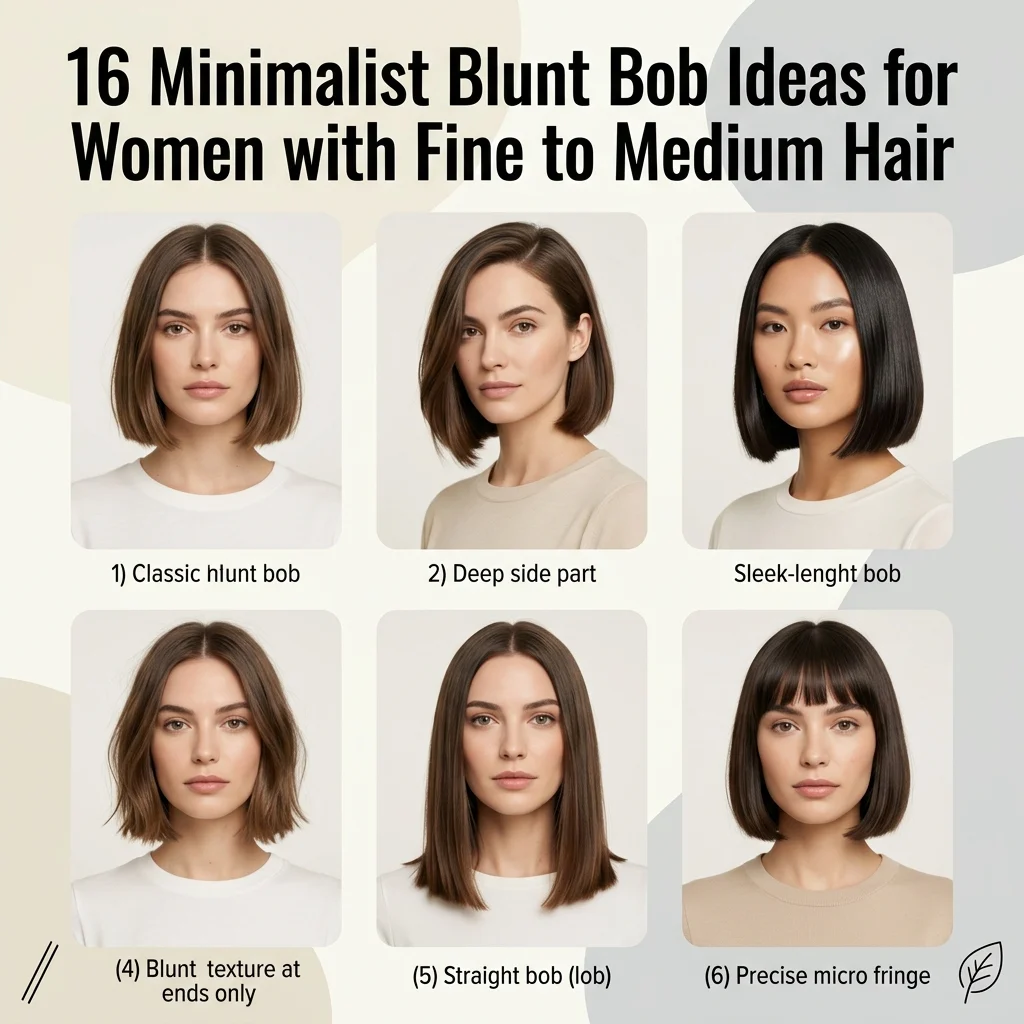
16 Minimalist Blunt Bob Ideas for Women with Fine to Medium Hair

A minimalist blunt bob is a one-length haircut with a crisp, unlayered perimeter, cut precisely at a single point around the head with no graduation or texturizing built in. This article gives you 16 minimalist blunt bob ideas designed specifically for fine to medium hair cut structure, color, and styling that make thinner strands read fuller and more deliberate.
Picture a single clean line, catching light evenly along its entire edge, nothing layered or feathered to break its shape. This cut feels precise, quiet, almost architectural the kind of haircut that looks the same whether you touch it or not. It reads confident through restraint, not through effort. Here are 16 ideas worth saving, and stealing.
Why Minimalist Blunt Bob for Fine to Medium Hair Works So Well
Why does a blunt cut actually make fine hair look thicker than a layered one does? The minimalist blunt bob draws from the precision-cutting tradition established by Vidal Sassoon in the 1960s, when geometric, one-length cuts replaced the softer, rounder shapes popular before it. What distinguishes this bob from a layered or textured version is the absence of internal cutting entirely. Every strand ends at the same length, which concentrates all of the hair’s weight at one visible edge instead of dispersing it across multiple layer lines the way a feathered cut does.
Core materials here center on precision rather than texture: think a flat-iron with a narrow barrel for sealing the blunt edge, a lightweight glossing serum rather than a heavy oil, and a color palette built around solid, single-process tones like espresso, warm copper, and cool ash-blonde rather than multi-tonal blends that can visually break up the line’s clean edge.
Style at a Glance
| Element | Detail |
|---|---|
| Philosophy | Precision through restraint, one length, no layers, maximum edge weight |
| Key Techniques | Single-length blunt cutting, weight-line concentration, glass-finish styling |
| Key Tones | Espresso, warm copper, cool ash-blonde |
The 16 Looks
1. The One-Length Precision Perimeter
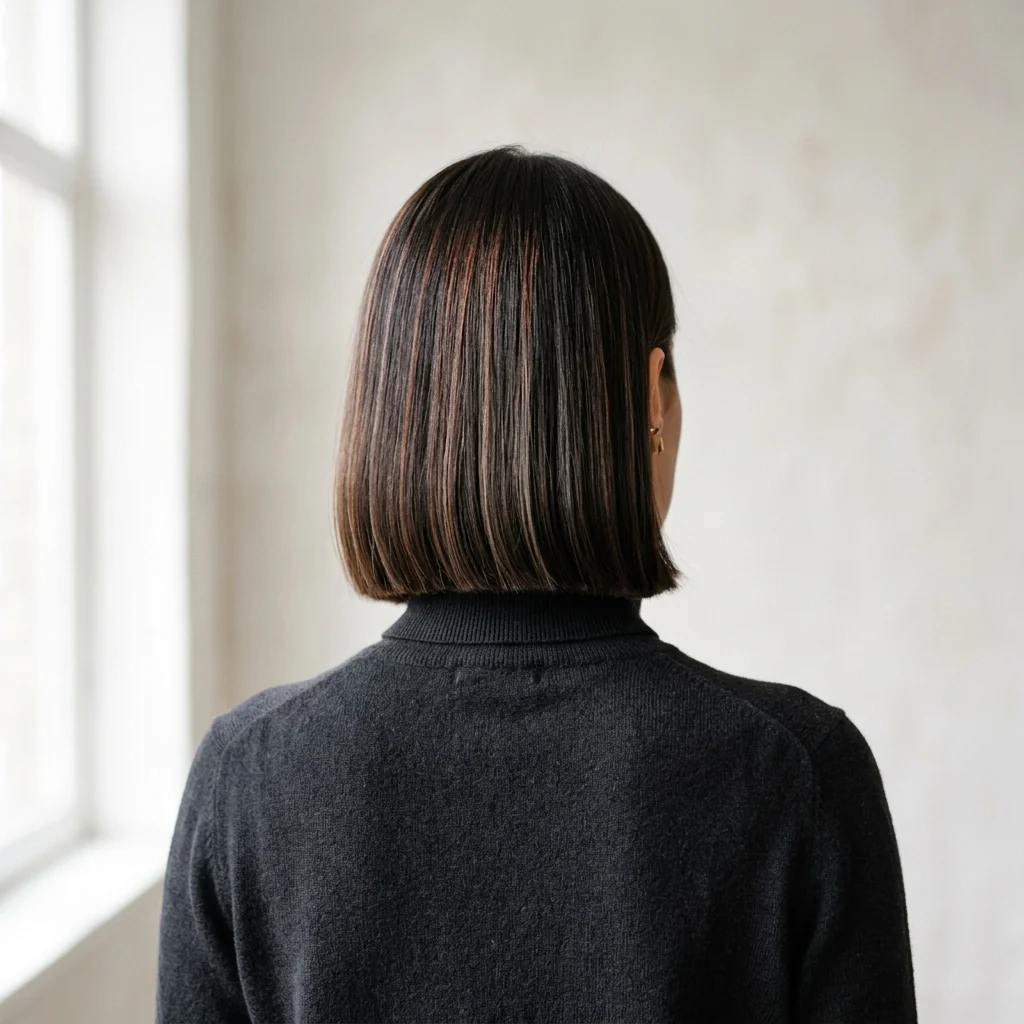
Vibe: Still, with a line so clean it reads as deliberate from every angle.
Why it works: The cutting principle is edge-weight concentration: cutting every strand to the exact same length gathers the hair’s total weight into one visible plane rather than distributing it across layers, which is precisely what tricks the eye into perceiving more density than the hair actually has, the single most reliable structural fix for fine or medium hair that layered cuts can’t replicate.
How to get it: Ask your stylist for a “one-length blunt cut” specifically, cut dry with the hair combed straight down and no internal layering removed at any point around the head.
💡 Quick Win: Request the perimeter be cut with the hair completely dry rather than wet, since wet-cutting fine hair often results in a shorter, less even line once it dries and springs back.
Shop the Look
| Product |
|---|
| Narrow-barrel flat iron for sealing the blunt edge |
| Weightless glossing serum |
| Flat-edge styling comb for precision partings |
| Round ceramic brush for a smooth blowout |
| Heat protectant spray for fine hair |
2. Espresso Root-to-Tip Uniform Tone
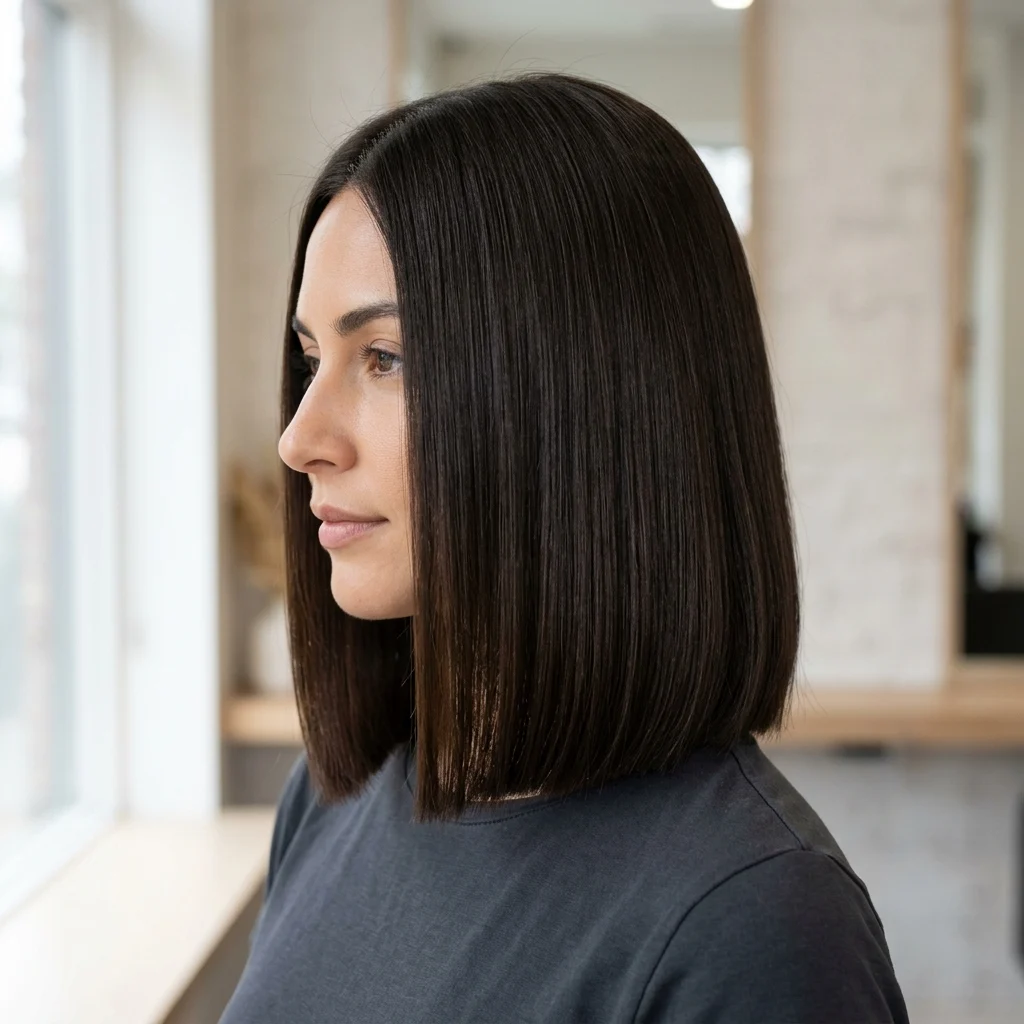
Vibe: Grounded, with color so uniform it reads as one continuous surface.
Why it works: The color principle is tonal continuity: a single-process, root-to-tip application avoids the light-and-dark breaks that highlights or balayage create, which keeps the eye tracking the cut’s blunt edge as one unbroken line, any tonal variation, however subtle, starts to visually interrupt that edge and undercut the minimalist effect.
How to get it: Request a solid, single-process espresso color applied evenly from root to tip in one session, explicitly declining any face-framing highlights or balayage that would break the uniform tone.
Shop the Look
| Product |
|---|
| Color-safe shampoo for deep brunette tones |
| Glossing treatment for solid color maintenance |
| Bond-building conditioner for chemically treated hair |
| Wide paddle brush for even color application |
| UV-protectant hair serum for color longevity |
3. Ceramic Iron Glass-Finish Method
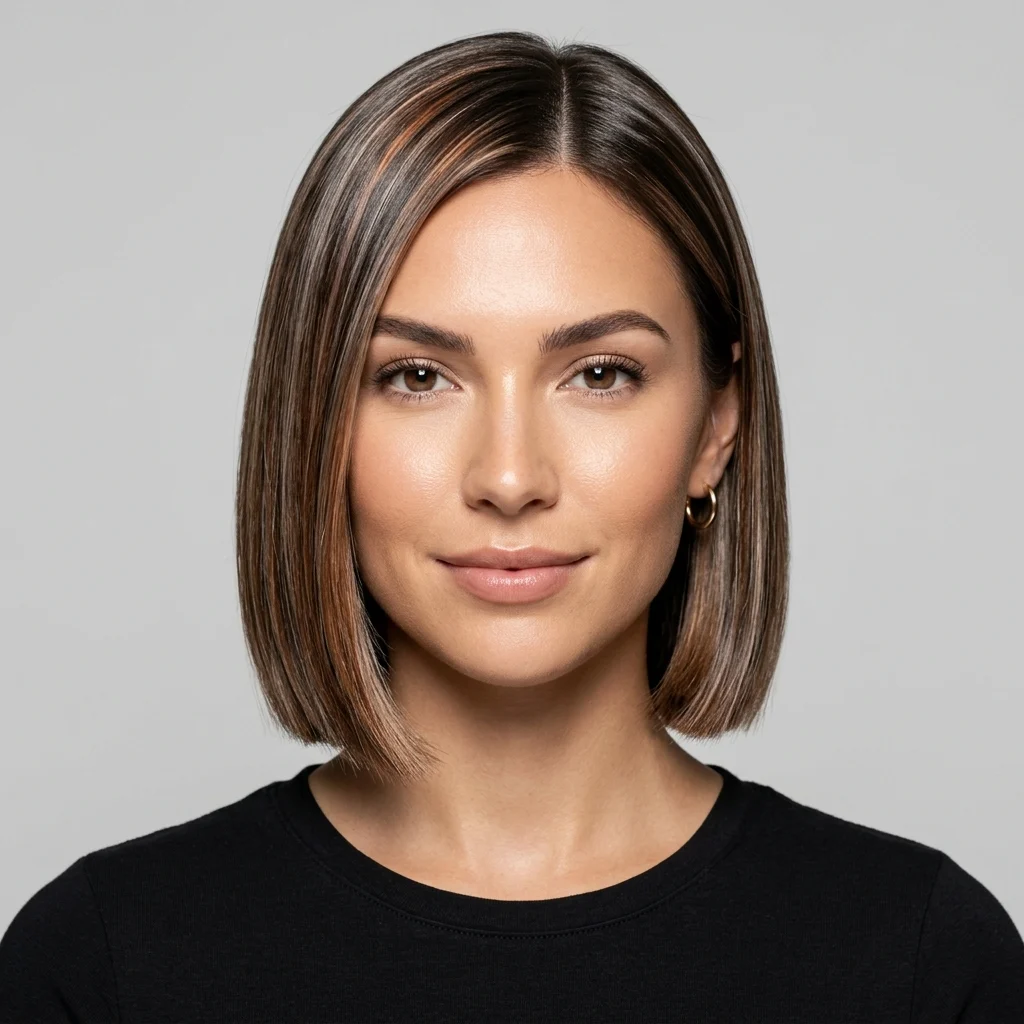
Vibe: Polished, with a surface so smooth it reflects light like glass.
Why it works: The styling principle is cuticle sealing for maximum reflection: running a ceramic flat iron over already-dry, smooth hair seals the cuticle completely flat, and a flat cuticle reflects far more light than a textured or wavy one, which is why this glass-finish technique is what gives a blunt bob its signature glossy, uniform sheen rather than a matte, diffused look.
How to get it: After a full blow-dry, flat-iron the hair in one-inch sections, using a shine-specific serum beforehand and running the iron in one continuous, slow pass per section rather than multiple quick passes.
Shop the Look
| Product |
|---|
| Ceramic flat iron with narrow plates |
| High-shine finishing serum |
| Heat-resistant styling glove |
| Large round brush for pre-flat-iron blowout |
| Anti-frizz smoothing balm |
4. Jaw-Grazing Length Calibration

Vibe: Sun-warmed, with a length calibrated to the exact point that flatters most faces.
Why it works: The proportion principle is horizontal line placement: a hemline that ends exactly at the jaw draws a horizontal visual line at the widest, most defined point of most face shapes, which has the effect of framing the jaw rather than cutting across the neck or cheek, a millimeter of difference in placement changes how the line reads entirely.
How to get it: Ask your stylist to measure the perimeter length against your jawline specifically, with the hair dry and your head held level, rather than estimating length by inches alone.
Shop the Look
| Product |
|---|
| Smoothing balm for jaw-length ends |
| Anti-frizz serum for humidity control |
| Handheld mirror set for checking hemline placement |
| Flat-edge styling comb for precision partings |
| Texturizing spray for the perimeter edge |
5. Micro-Fringe Above the Brow

Vibe: Bold, with a fringe short and sharp enough to feel like punctuation.
Why it works: The proportion principle is negative space framing: a short, blunt fringe cut well above the brow leaves visible skin between the hairline and the eyebrow, which creates negative space that opens up the face rather than covering it, the opposite effect of a longer, softer fringe, and one that reads distinctly more minimalist and geometric.
How to get it: Ask for the fringe cut in one continuous, straight pass roughly a half-inch above the brow bone, explicitly avoiding any point-cutting or feathering at the ends.
💡 Quick Win: A flat-edge comb held flush against the forehead while blow-drying keeps this short fringe perfectly straight without any additional product.
Shop the Look
| Product |
|---|
| Flat-edge comb for fringe styling |
| Small precision scissors for at-home trims |
| Lightweight finishing cream for fringe control |
| Travel-size dryer for quick touch-ups |
| Anti-static comb for humid climates |
6. Zero-Layer Baby Bob Structure
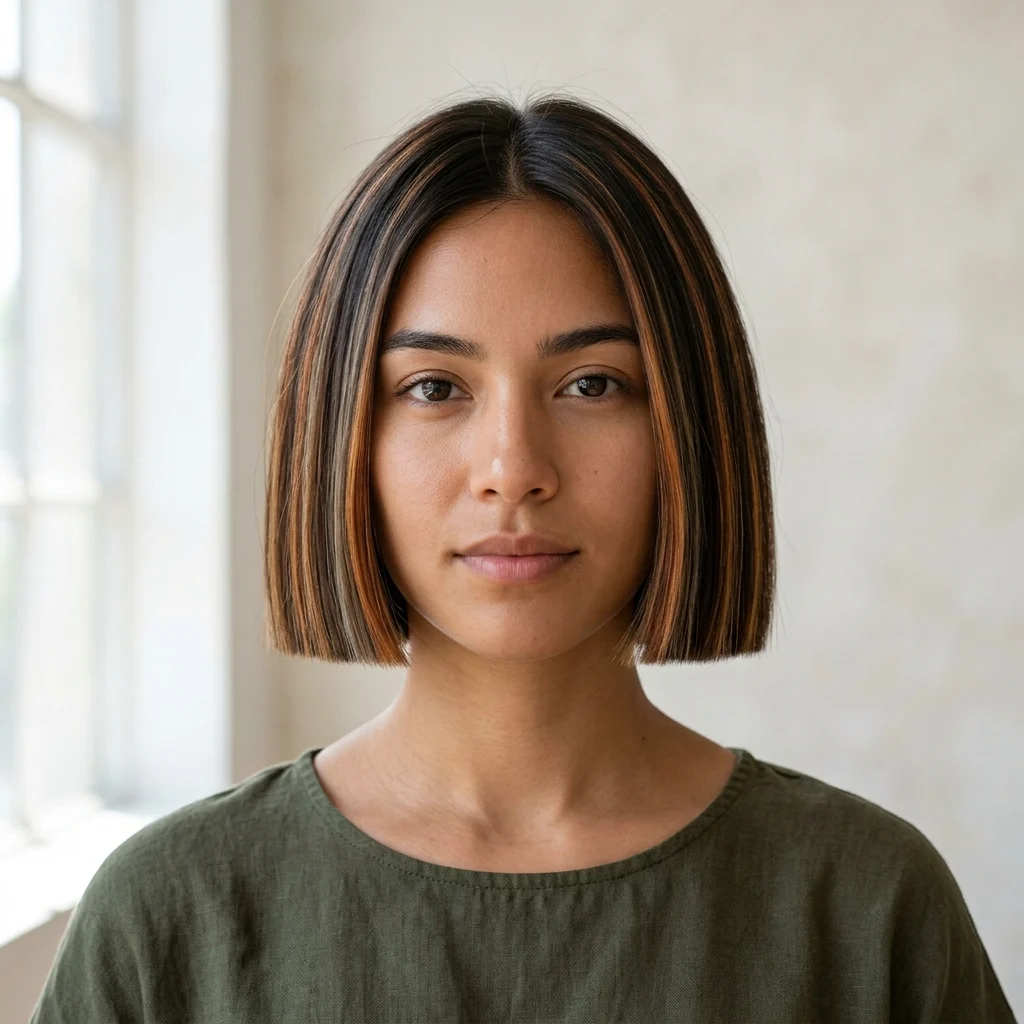
Vibe: Grounded, with a compact shape that carries surprising visual weight for its length.
Why it works: The density principle is proportional edge concentration: the shorter the blunt perimeter, the more densely packed the ending strands appear relative to the overall cut, since there’s less length for the hair’s natural weight to disperse across. This is why a chin-length “baby bob” often reads as visibly thicker than the same haircut technique applied at a longer length.
How to get it: Ask your stylist to keep the length no longer than chin height, with zero internal layers removed anywhere in the cut, dry-cut for the most accurate short length.
Shop the Look
| Product |
|---|
| Firm-hold volumizing mousse |
| Round ceramic brush for short-length blowouts |
| Ionic hair dryer with concentrator nozzle |
| Texturizing powder for root grip |
| Flexible-hold finishing spray |
7. Cool Ash Blonde All-Over Wash
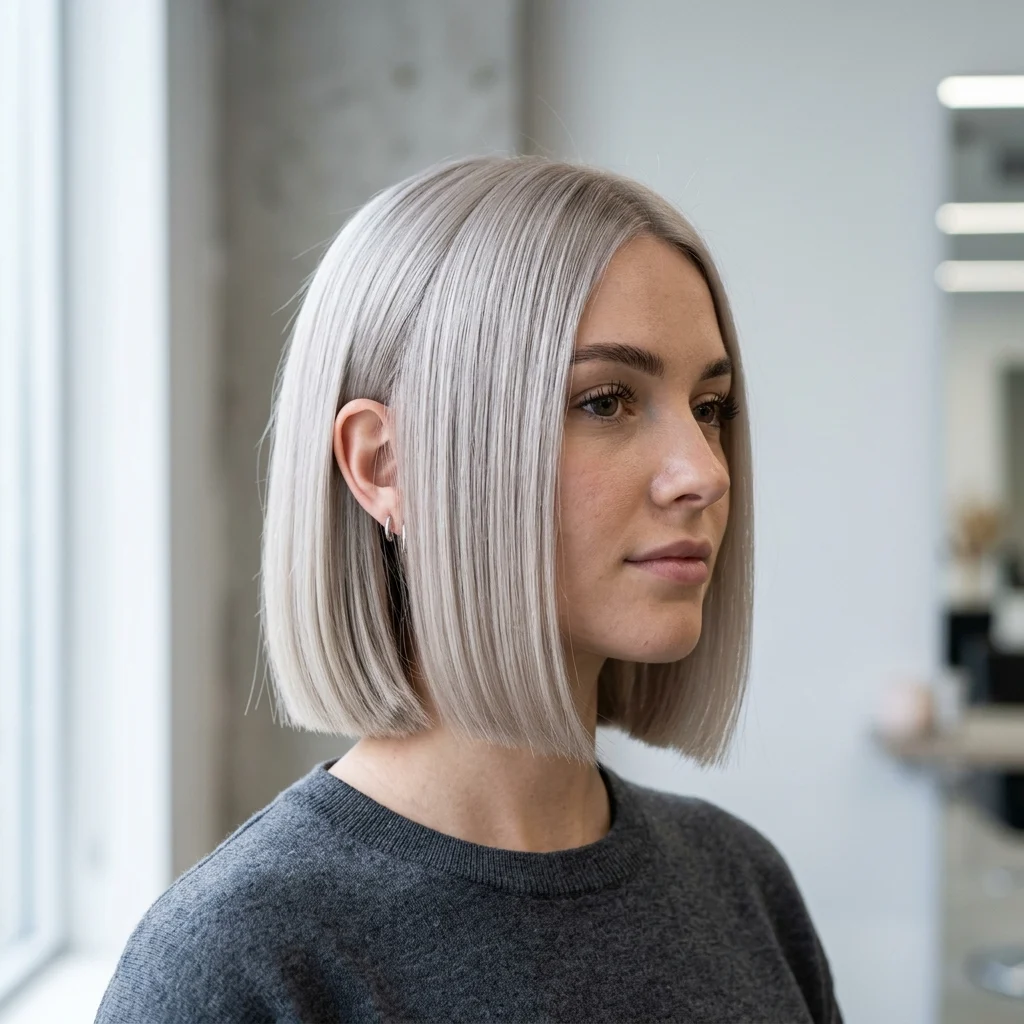
Vibe: Crisp, with a coolness that reads clean rather than warm or golden.
Why it works: The color principle is undertone neutralization for uniformity: an all-over ash-blonde application deliberately cancels out the warm, yellow undertones that naturally occur during the lightening process, producing one flat, neutral tone across the entire head rather than the warmer patches a less controlled lightening service can leave behind.
How to get it: Request a full-head lightening service toned specifically with an ash or violet-based glaze immediately after, applied evenly with no root shadow or lowlights added.
Shop the Look
| Product |
|---|
| Purple-toned shampoo for ash-blonde maintenance |
| Bond-building treatment for lightened hair |
| Cool-toned glossing treatment |
| Wide paddle brush for even product application |
| Deep conditioning mask for lightened strands |
8. Center Part vs Deep Side Part Symmetry
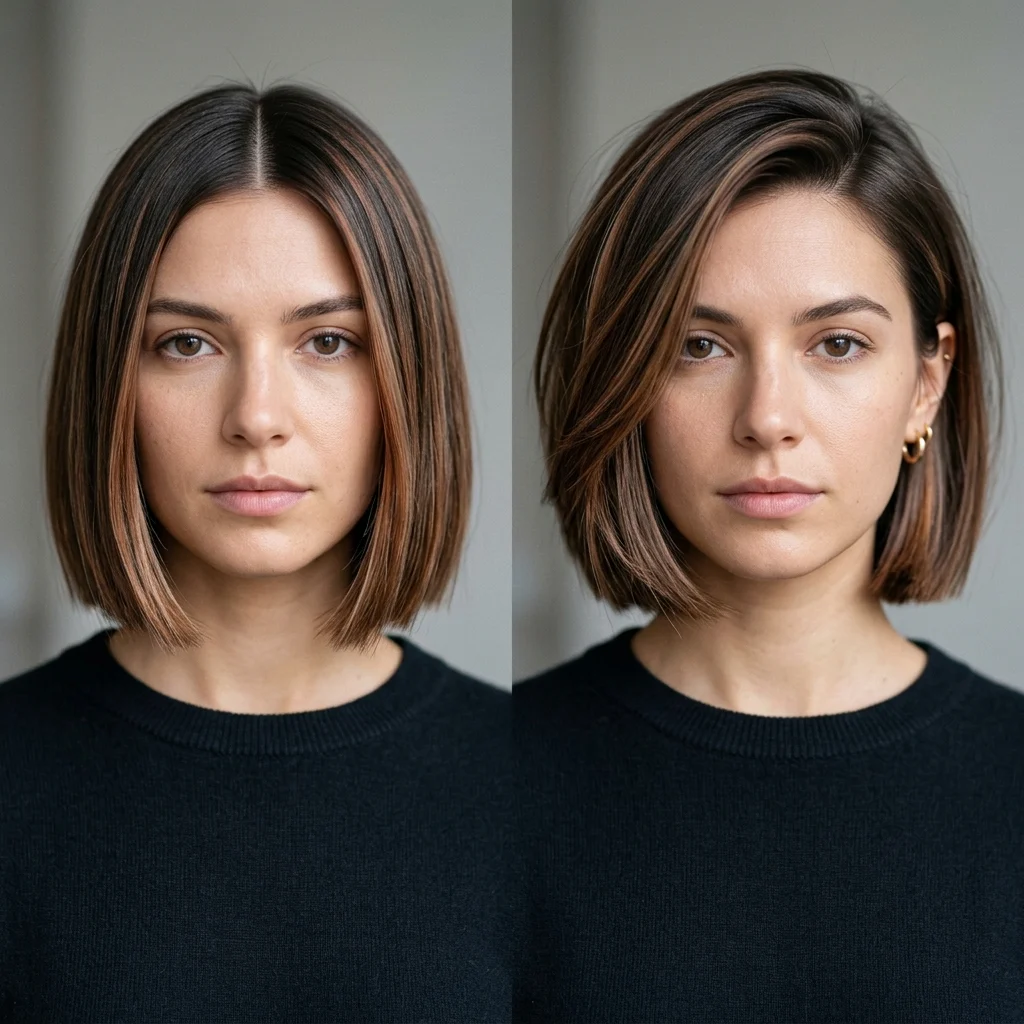
Vibe: Layered in choice, with two distinct moods available from the same cut.
Why it works: The layout principle is axis definition: a center part creates perfect bilateral symmetry that reinforces the blunt bob’s geometric, minimalist identity, while a deep side part shifts visual weight to one side entirely, creating asymmetry that softens the same cut into a more casual, editorial look. The same haircut reads as two different styles depending on this one choice.
How to get it: Use a fine-tooth comb to create a razor-sharp center part for the structured look, or push the part several inches off-center and secure it briefly with a clip while blow-drying for the deep side-part option.
Shop the Look
| Product |
|---|
| Fine-tooth parting comb |
| Small sectioning clips for deep-part styling |
| Flexible-hold hairspray for holding the part |
| Shine-enhancing hair oil for the part line |
| Edge-control gel for smoothing baby hairs |
9. Overnight Silk Wrap Setting
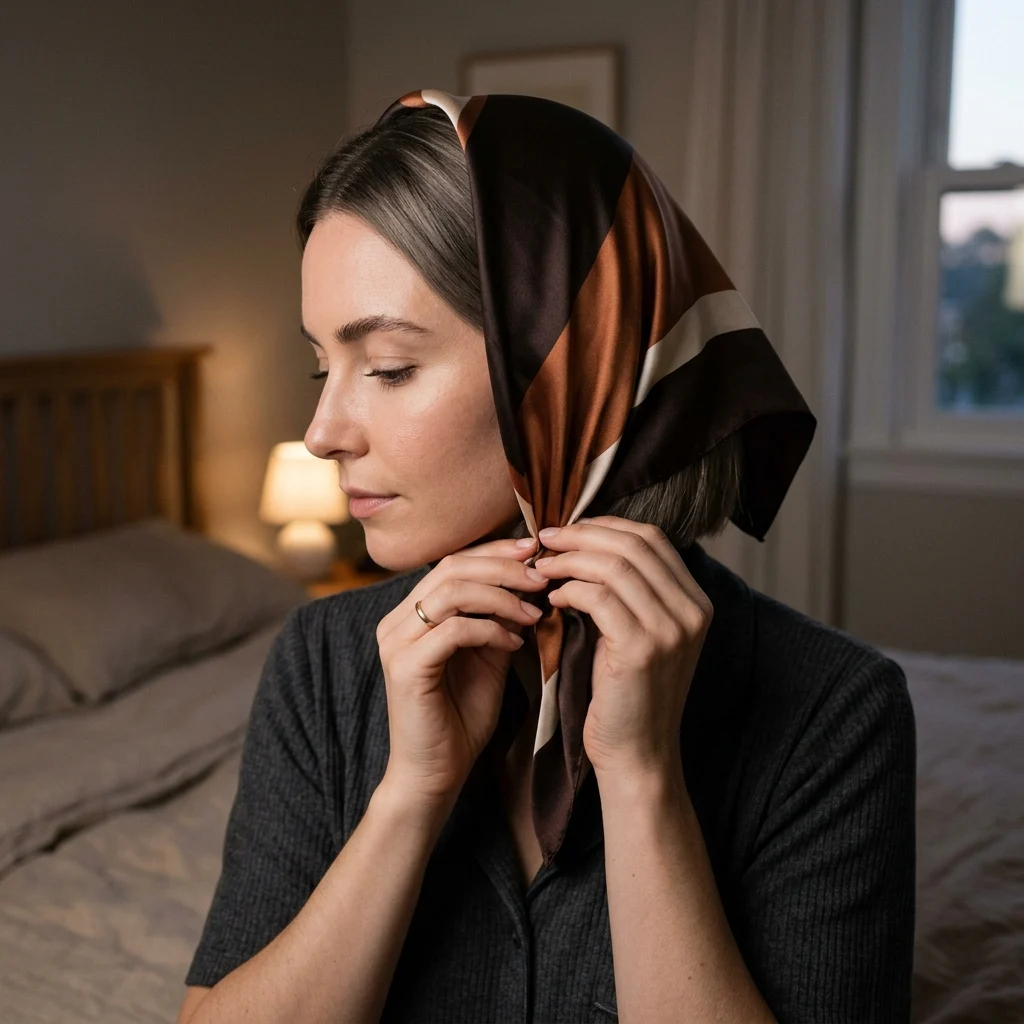
Vibe: Hushed, with a nightly ritual that protects the day’s styling effort.
Why it works: The maintenance principle is friction reduction: wrapping the blunt perimeter in silk overnight prevents the cotton-pillowcase friction that roughens the cuticle and causes flyaways at the hemline by morning, which is especially important for a blunt cut since even minor frizz at the edge disrupts the clean line the entire style depends on.
How to get it: Wrap the ends loosely in a silk scarf before bed, securing it at the crown rather than tightly at the nape, to preserve the blunt shape without flattening the roots.
💡 Quick Win: A silk pillowcase works nearly as well as a full wrap if you prefer not to style your hair before sleeping.
Shop the Look
| Product |
|---|
| Silk hair wrap scarf |
| Silk pillowcase |
| Lightweight overnight hair serum |
| Wide-tooth detangling comb for morning styling |
| Satin-lined sleep bonnet as an alternative |
10. Ear-Length Micro Bob Silhouette
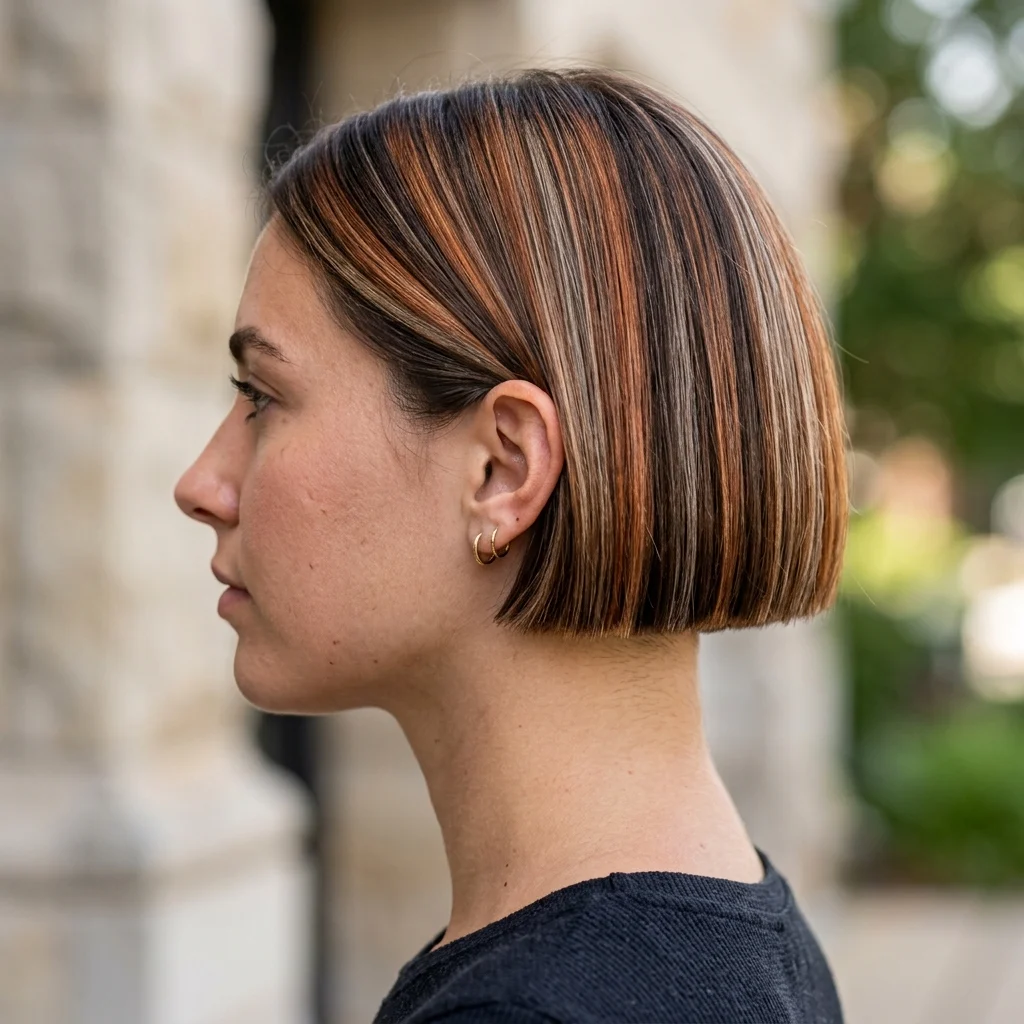
Vibe: Bold, with a shape short enough to read as a statement rather than a trim.
Why it works: The proportion principle is scale commitment: an ear-length bob removes enough length that the remaining hair has nowhere to disperse its weight except the visible edge, producing the most concentrated, dense-looking perimeter possible on fine to medium hair, the shortest length in this list, and the one with the strongest structural thickening effect.
How to get it: Ask your stylist to measure the length precisely at ear level with hair dry, confirming there’s enough length left at the nape to maintain a clean, even line all the way around.
Shop the Look
| Product |
|---|
| Firm-hold pomade for short-bob structure |
| Small round brush for ear-length styling |
| Compact hair dryer with concentrator nozzle |
| Texturizing spray for root lift |
| Neck brush for post-trim cleanup |
11. Warm Copper Single-Process Tone
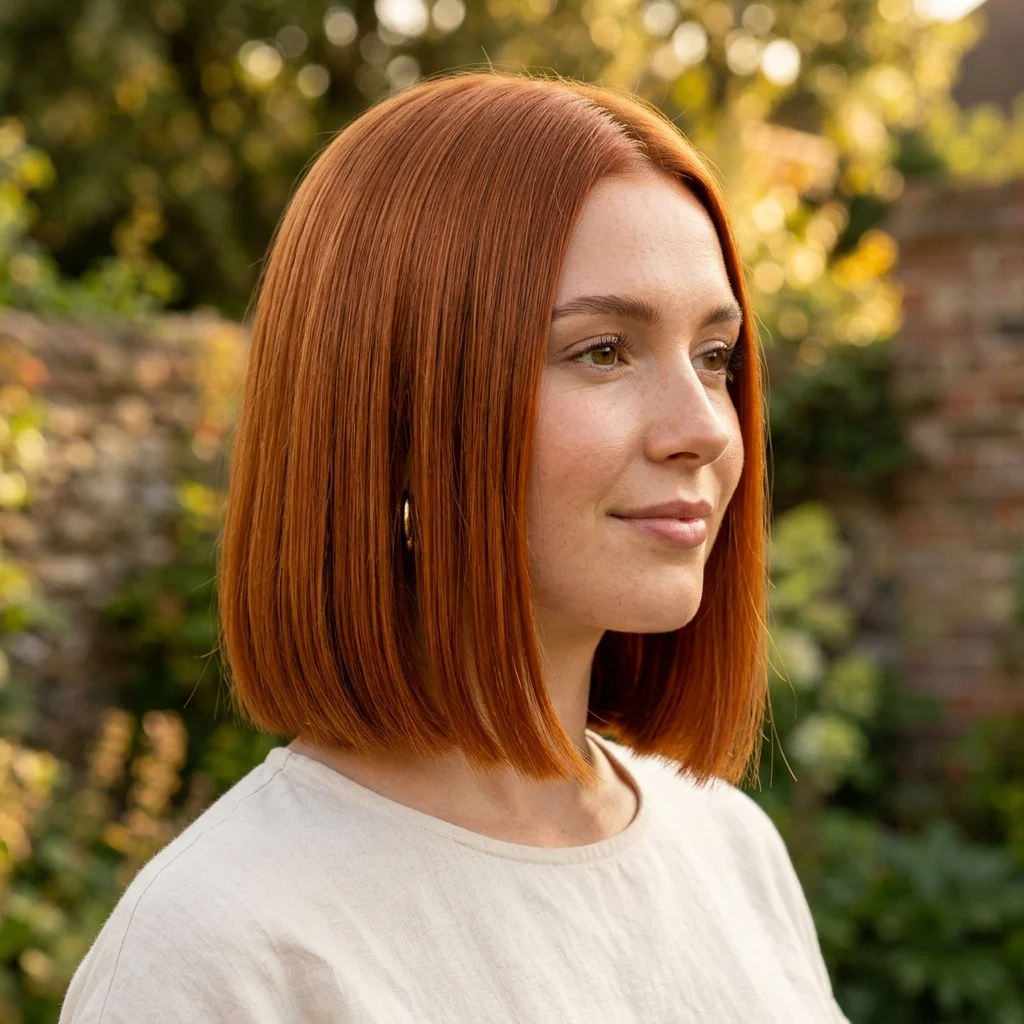
Vibe: Warm, with a single vivid tone carrying the entire look.
Why it works: The color principle is saturation as substitute for dimension: since a blunt bob deliberately skips the tonal variation that highlights provide, a bold, fully saturated single tone like copper compensates by giving the eye visual interest through color intensity rather than tonal contrast, keeping the cut from reading as flat or plain.
How to get it: Request a full-head, single-process copper color applied evenly root to tip, with a copper-specific glaze added afterward to boost vibrancy and shine.
Shop the Look
| Product |
|---|
| Copper-toned color-depositing shampoo |
| Bond repair spray for vivid color-treated hair |
| Warmth-boosting glaze for copper tones |
| UV-protectant hair serum for color vibrancy |
| Deep conditioning mask for color longevity |
12. Undercut-Free Weight Line
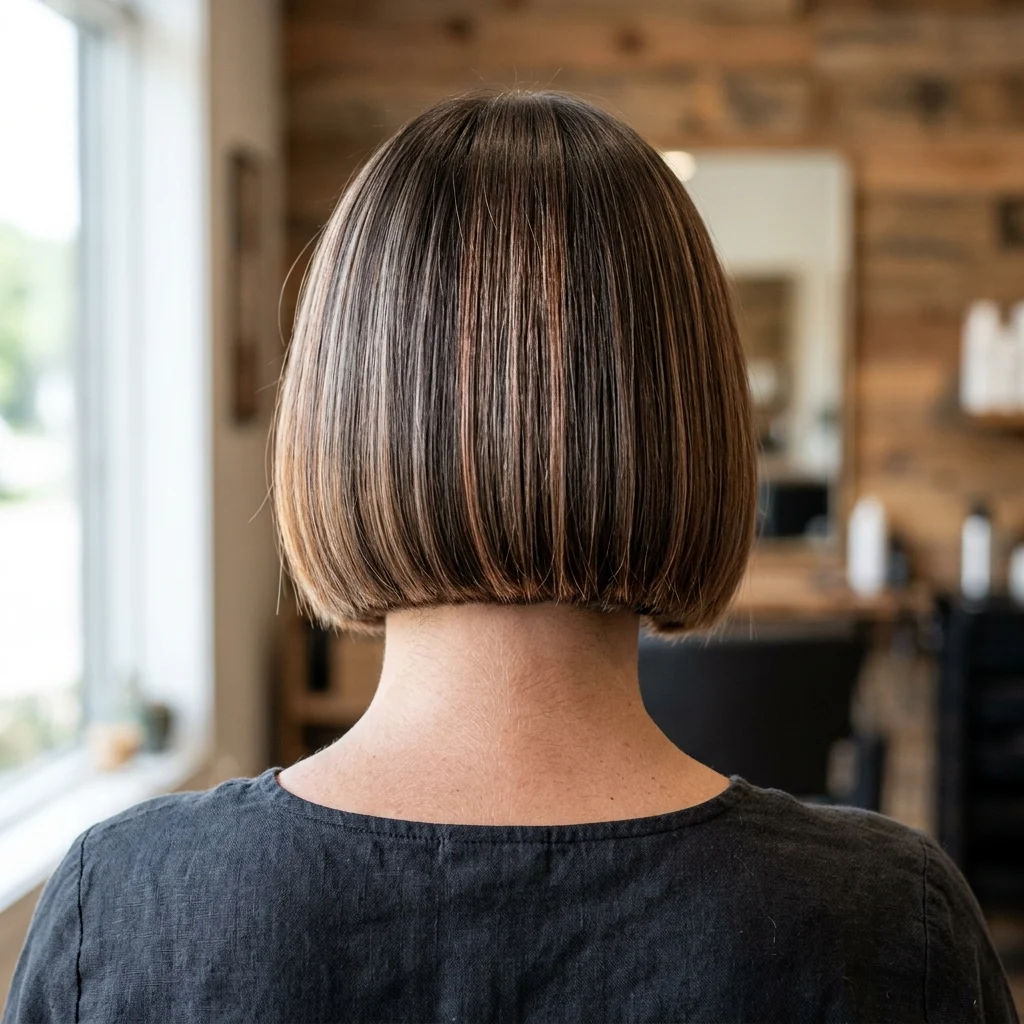
Vibe: Grounded, with every strand at the nape carrying full, uninterrupted weight.
Why it works: The cutting principle is weight preservation through omission: deliberately avoiding an undercut or clippered nape, which is common in more textured or edgy short cuts, keeps the entire perimeter’s weight intact and visible, reinforcing the blunt bob’s core purpose of maximizing apparent density rather than adding contrast through removed sections.
How to get it: Explicitly tell your stylist you want no undercut or nape clippering of any kind, keeping the full weight line uncut and even from ear to ear around the back.
Shop the Look
| Product |
|---|
| Wide-tooth wooden comb for gentle detangling |
| Weightless conditioner for fine hair |
| Round ceramic brush for nape smoothing |
| Shine-enhancing hair oil for the weight line |
| Flat-edge styling comb for precision |
13. Barely-There Face-Framing Slit
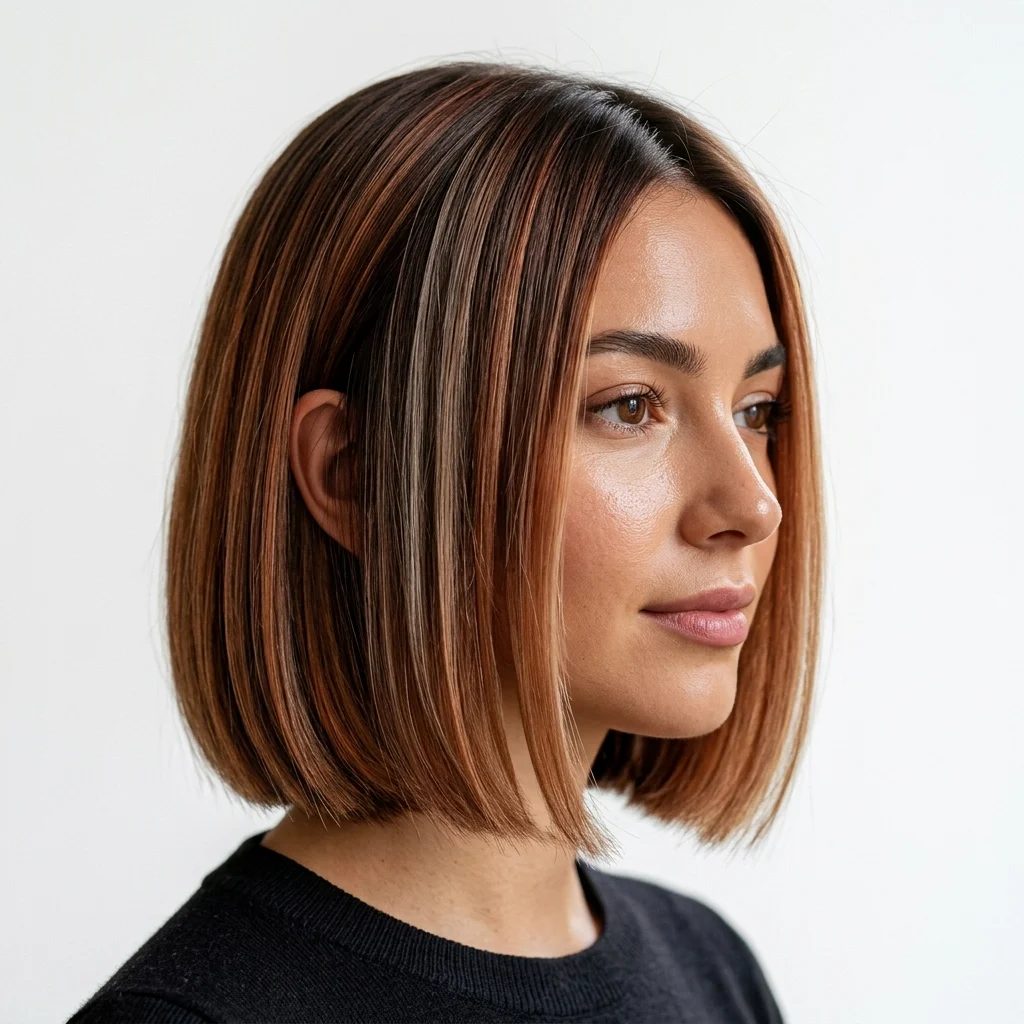
Vibe: Soft, with one small break in an otherwise uncompromising line.
Why it works: The proportion principle is minimal intervention: cutting a single, short slit at the very front of the perimeter, rather than a full face-framing layer, introduces just enough movement near the face to soften the overall geometry without sacrificing the density-building effect of the blunt edge everywhere else on the head.
How to get it: Ask your stylist for one small vertical slit, no more than an inch long, cut into the front corner of the perimeter on each side, leaving the rest of the hemline completely untouched.
💡 Quick Win: If you’re not ready to commit, ask your stylist to show you the slit on one side only first, so you can decide before it’s done on both.
Shop the Look
| Product |
|---|
| Small precision scissors for slit maintenance |
| Lightweight texturizing cream for the slit area |
| Mini flat iron for face-framing touch-ups |
| Detangling leave-in spray |
| Fine-tooth comb for precise sectioning |
14. Density-Boosting Cut for Thin, Limp Strands

Vibe: Airy at the root, dense at the edge, a deliberate contrast built into one cut.
Why it works: The volume principle is length-to-density inverse relationship: strands with very little natural body benefit most from shorter perimeter length, since the shorter the hair, the less distance gravity has to pull weight downward and flatten the root. This is why very thin hair often looks noticeably fuller in a chin-length blunt cut than in the same technique applied past the shoulders.
How to get it: Ask your stylist to keep the length no longer than chin height and blow-dry with a round brush lifting fully from the roots before the ends are flat-ironed for the glass finish.
Shop the Look
| Product |
|---|
| Lightweight volumizing mousse |
| Root-lifting spray for thin hair |
| Dry shampoo with volumizing powder |
| Small round brush for root lift |
| Clip-in root volumizers for special occasions |
15. Two-Tone Underlight Panel
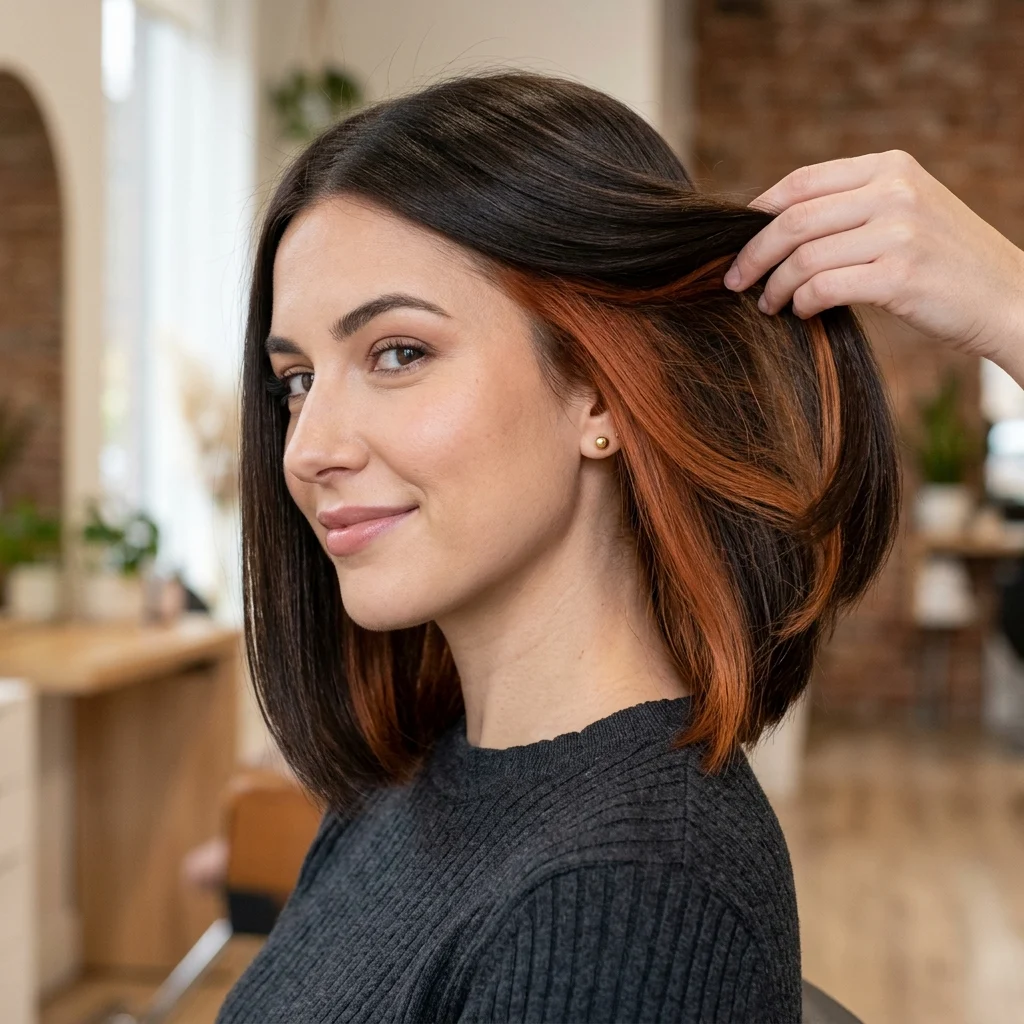
Vibe: Layered in secret, with a surprise that only shows on your own terms.
Why it works: The color principle is concealed contrast: placing a second, contrasting tone underneath the top layer of hair rather than throughout keeps the blunt bob’s visible surface completely uniform when the hair falls naturally, while still offering movement and color depth whenever the hair is lifted, tucked behind an ear, or caught by wind.
How to get it: Ask your colorist for an “underlight” placement specifically, where only the under-section of hair beneath the crown is colored a contrasting tone from the top layer.
Shop the Look
| Product |
|---|
| Sectioning clips for revealing the underlight |
| Color-safe shampoo for dual-tone maintenance |
| Bond-building treatment for the underlayer |
| Small precision styling brush |
| Shine spray for the top concealing layer |
16. Graduated Nape Micro-Bevel
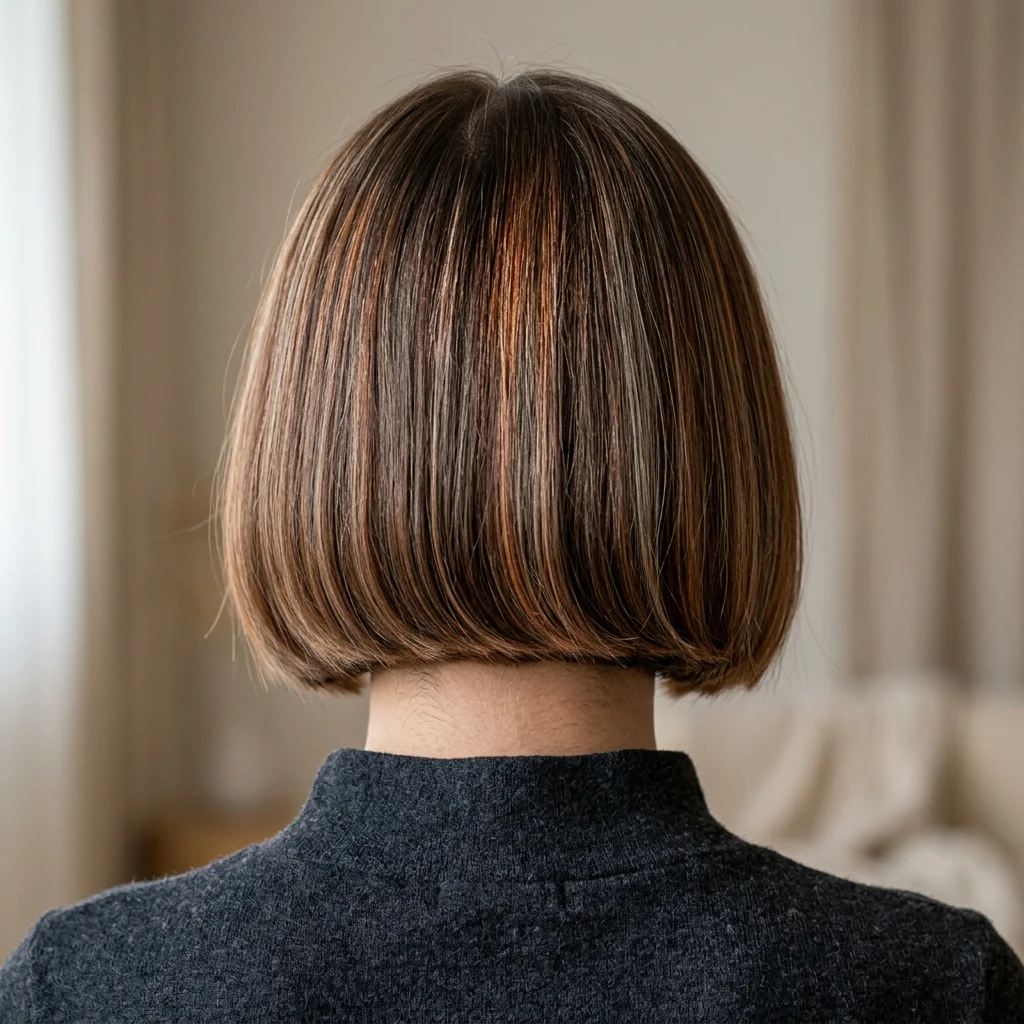
Vibe: Grounded, with a hemline that curves just enough to avoid looking severe.
Why it works: The cutting principle is minimal curvature for softness: introducing a slight inward bevel, no more than a quarter-inch of curve, at the very bottom of an otherwise straight-across blunt line prevents the hemline from reading as harsh or overly geometric, while still preserving nearly all of the density-building benefit a fully straight blunt cut provides.
How to get it: Ask your stylist for a “micro-bevel” at the perimeter specifically, clarifying that you want the curve barely perceptible rather than the more visible inward curve of a traditional graduated bob.
Shop the Look
| Product |
|---|
| Round ceramic brush for beveled ends |
| Smoothing serum for the nape curve |
| Handheld mirror set for checking the bevel |
| Flexible-hold finishing spray |
| Fine-tooth comb for precise nape styling |
How to Start Your Minimalist Blunt Bob Transformation
The single best first move is booking a consultation focused on your natural hair density, not just the length you want. Bring your hair completely dry and unstyled so your stylist can assess exactly how much weight your fine to medium strands are working with: this determines whether a chin-length, ear-length, or jaw-grazing version of the blunt bob will build the most visible density for your specific hair.
The most common mistake is asking for “just a little layering” alongside a blunt cut, which defeats the entire structural purpose of the style. Even minimal layering redistributes weight away from the perimeter edge, softening the exact density effect a true blunt cut is designed to create. The fix is being explicit with your stylist: request zero internal layers, confirmed before the first cut is made.
Three budget entry points under $50: a narrow-barrel flat iron for sealing the blunt edge into a glass finish, a firm-hold volumizing mousse for root lift on thin strands, and a silk hair wrap scarf for preserving the hemline shape overnight.
A full cut-and-color transformation typically takes one to two salon visits over two to three weeks. A cut-only starter version runs $45–$85 in a single weekend appointment, while a full single-process color transformation costs $90–$220 depending on length and whether lightening is involved.
Frequently Asked Questions About Minimalist Blunt Bob for Fine to Medium Hair
What’s the difference between a blunt bob and a layered bob?
A blunt bob is cut at one uniform length with no internal layers removed, concentrating all the hair’s weight at a single visible edge, while a layered bob has multiple cutting lines throughout that disperse weight and add movement. The blunt version reads more geometric and structured, while the layered version reads softer and more textured. Stylists typically recommend the blunt cut specifically for fine to medium hair that needs the density-building effect layering can’t provide.
What hair colors work best with a minimalist blunt bob?
Solid, single-process tones like deep espresso, warm copper, and cool ash-blonde work best, since they keep the color as uniform as the cut itself and avoid breaking up the visible edge with tonal variation. Multi-tonal techniques like balayage or highlights can undercut the minimalist effect by drawing the eye away from the clean perimeter line. An underlight placement is the one exception, since it stays hidden and doesn’t interrupt the visible surface color.
How much does a minimalist blunt bob haircut and color cost?
A cut alone typically runs $45–$85 depending on region and salon tier, since precision blunt cutting requires careful, methodical sectioning despite the absence of layering. Adding a full single-process color service brings the total to $90–$220 for the first appointment, with maintenance trims every four to six weeks costing less than the initial visit, since blunt cuts show growth more visibly than layered ones. A cut-only appointment is the most budget-friendly way to test the shape before committing to color.
Does a minimalist blunt bob work with wavy or curly hair?
It works best on straight to loosely wavy hair, since a true blunt edge relies on strands falling at a consistent, predictable length to create its signature clean line, and tighter curl patterns can cause uneven shrinkage that disrupts that uniformity. Wavy hair can still achieve the look with regular flat-ironing to seal the edge smooth, though this adds a maintenance step curlier textures may find impractical daily. For naturally curly hair, a stylist may recommend a slight adjustment to the cutting technique to account for shrinkage before committing to the style.
How often does a blunt bob need to be trimmed to maintain the line?
Plan on a trim every four to six weeks, noticeably more frequent than a layered cut, since even a small amount of growth disrupts a blunt bob’s single, uniform edge in a way that’s immediately visible. Skipping trims past six weeks is the most common reason a blunt bob starts to lose its precise, geometric shape and begins looking more like an unstructured, grown-out cut. Regular trims are what keep the density-building effect this style depends on intact.
Ready to Create Your Minimalist Blunt Bob?
From the espresso single-process tone to the ear-length micro silhouette to the barely-there face-framing slit, these 16 ideas cover color, cut length, and daily styling in equal measure. You don’t need every detail decided today starting with just the density consultation, hair dry and unstyled, is a real and complete first step.
Book that appointment this week and be explicit about wanting zero internal layers, since that one instruction determines whether the cut delivers its full structural effect. Once it’s done, you’ll likely feel less like your hair needs volumizing products every morning and more like the density is simply built into the shape itself. Pin your favorite length and tone combination now, so you walk into the salon with the exact clean, minimalist line you want.