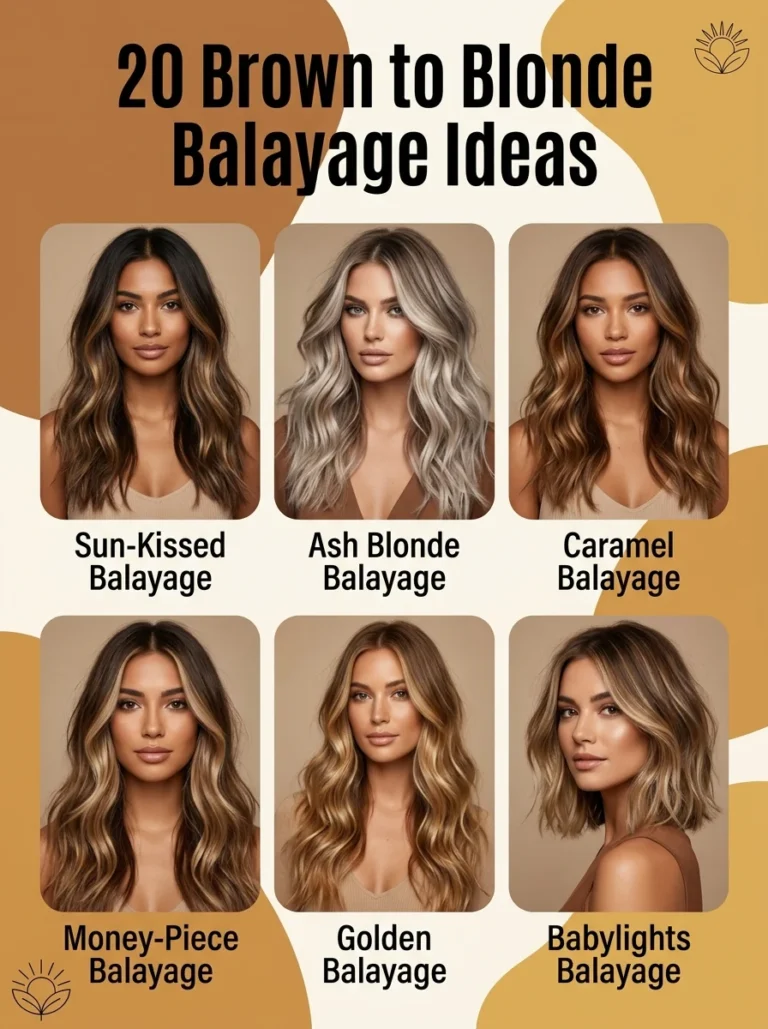
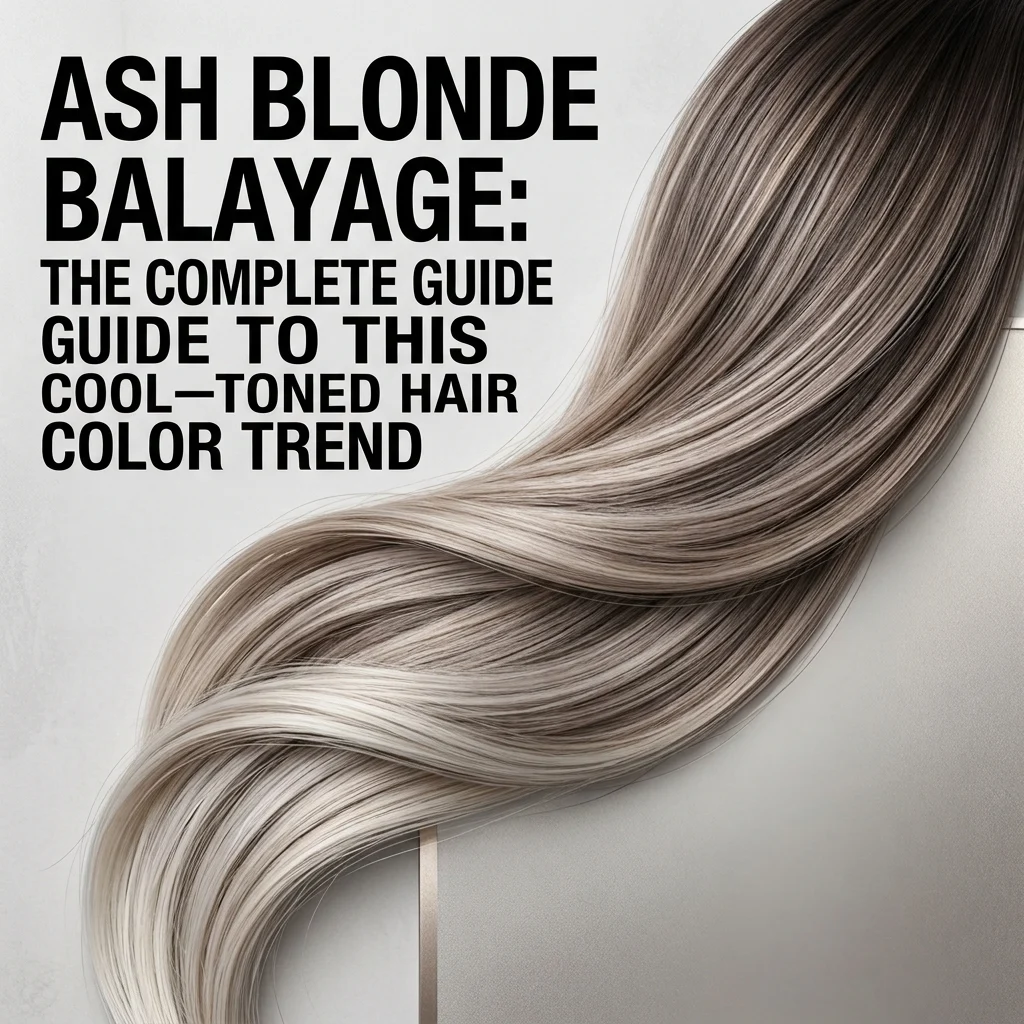
30 Ash Blonde Balayage Ideas Worth Saving

Ash blonde balayage is a hand-painted highlighting technique in which a colorist sweeps lightener freehand onto the surface of the hair, then neutralizes the resulting warmth with a violet, blue, or smoky beige-based toner to produce a cool, muted, almost frosted finish rather than the honey or gold tones typical of standard balayage.
This guide covers what makes the technique work at the color-theory level, walks through 30 ways to wear it across different natural bases and textures, and lays out exactly how to prepare for, and maintain, the salon appointment.
Most ash blonde requests default to the obvious: a single flat “ash blonde” swatch pulled from a phone screen, applied uniformly without regard for the client’s underlying pigment, texture, or how quickly a violet toner will fade against that specific base. The looks in this guide make more considered choices. They treat ash blonde as a spectrum, from pearl and beige-ash through to icy platinum and deep smoky bronde, and they match the toning formula, the lift level, and the placement technique to the hair in front of the colorist rather than to a generic reference photo. Here are 30 ideas worth saving, and asking for their names.
Why Ash Blonde Balayage Works So Well
Balayage, from the French verb meaning “to sweep,” was developed in French salons in the 1970s by colorists, including Lorenzo Villoresi’s contemporaries at L’Oréal’s Parisian training academies, as a freehand alternative to the foil-highlighting techniques that dominated American and British salons through the same decade.
Where foil highlighting saturates pre-sectioned pieces of hair uniformly from root to tip, balayage concentrates the lightener at the mid-lengths and ends using a hand-painted, feathered application, which is what produces its characteristic soft, irregular graduation rather than a hard line of demarcation. Ash blonde applies that same freehand painting method but finishes with a cool-toned glaze instead of the gold or copper glaze used in warm balayage work.
30 Ways to Wear Ash Blonde Balayage
1. Ash Blonde on a Dark Brunette Base
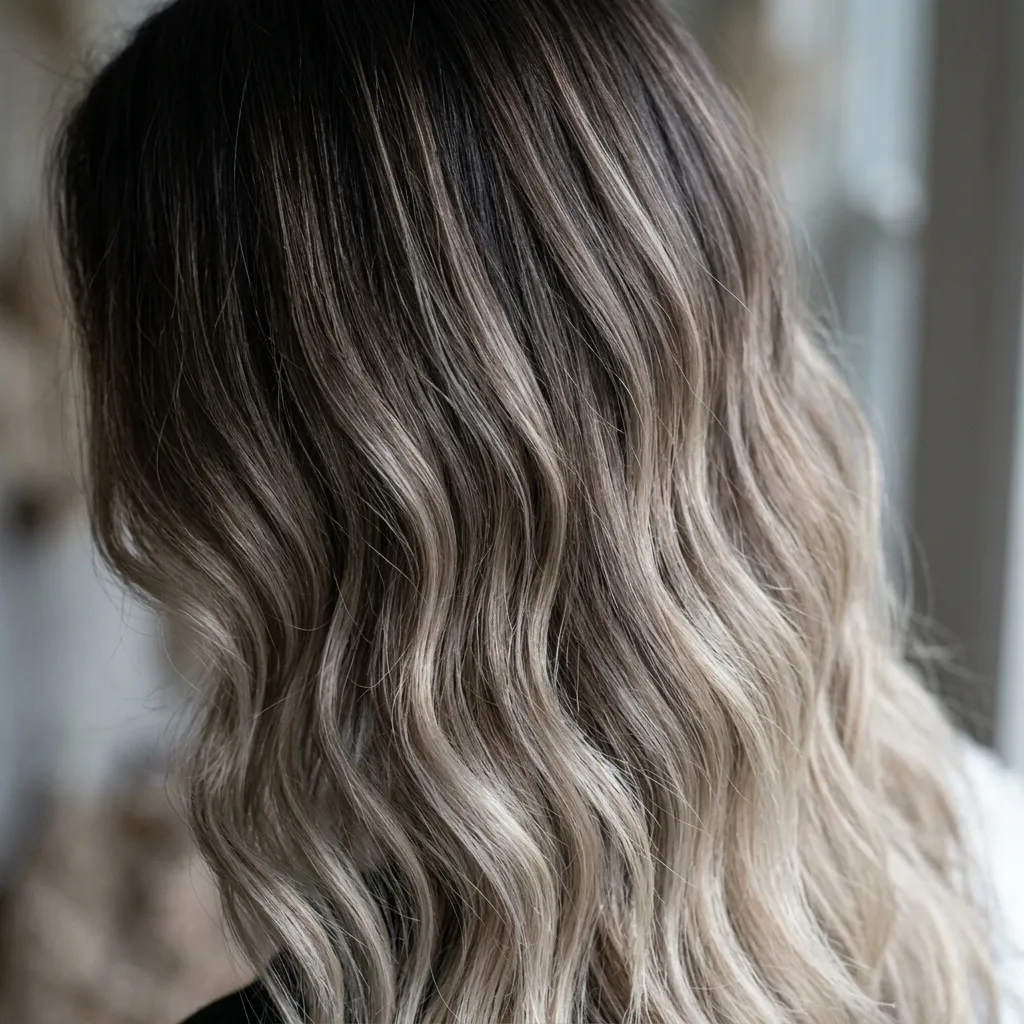
Vibe: cool, smoky, muted.
Why it works: The value contrast between a deep brunette root and a cool ash mid-tone creates dimension through lightness alone, without any competing warm undertone, which is what keeps the result reading as smoky rather than simply two-toned. This combination works especially well on natural level 3 to 4 brunette bases because the root requires minimal lightening to hold its depth while the ends can be pushed to a pale yellow stage and neutralized cleanly. A colorist will typically finish the ends with Redken Shades EQ 09V or a comparable violet-ash gloss, chosen specifically because it deposits enough cool pigment to offset the brunette root’s natural warmth bleeding into the lightened sections during processing.
How to get it: Ask your colorist to keep the lightener two to three inches from the root and finish with a violet-ash gloss like Shades EQ 09V rather than a gold-based one.
💡 Quick Win: A weekly purple toning mask, such as Fanola No Yellow, keeps the ash ends from drifting warm between salon visits.
2. Icy Platinum-Ash Balayage
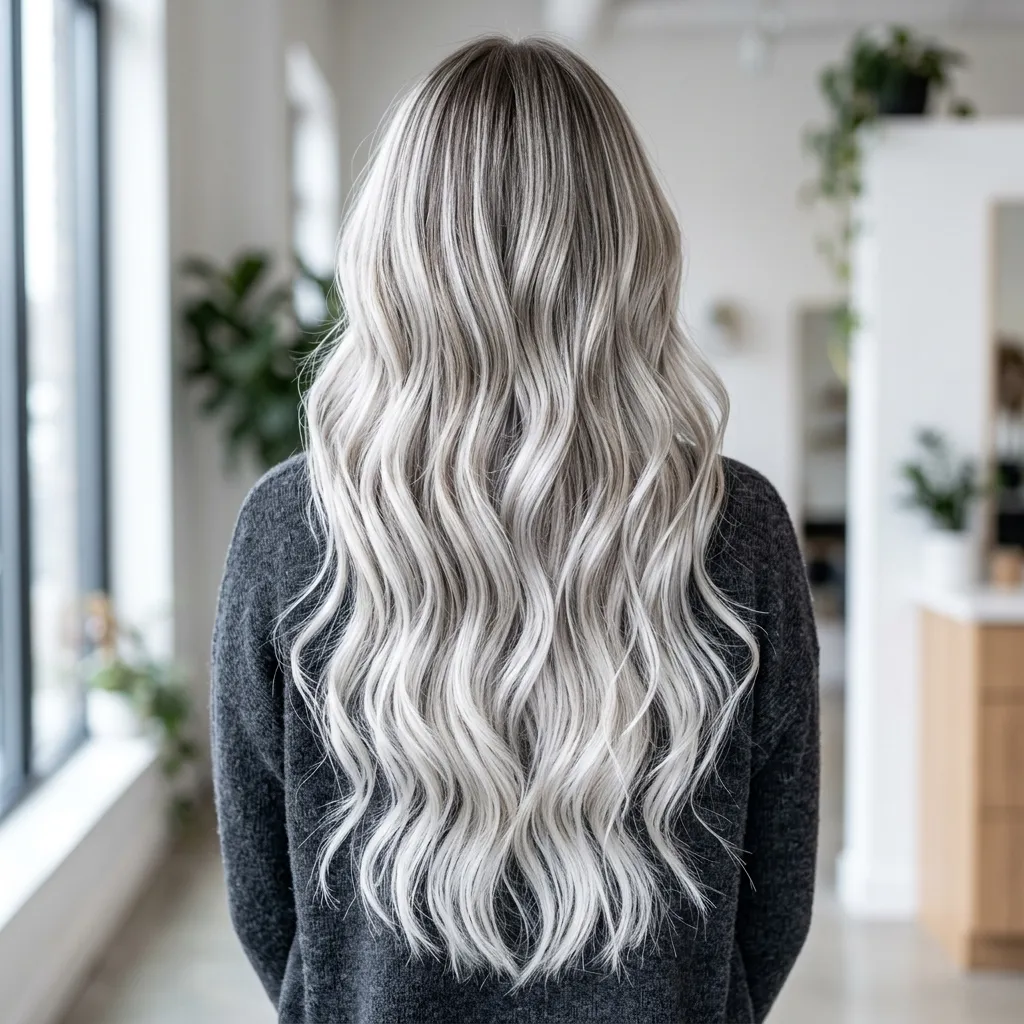
Vibe: crisp, icy, bold.
Why it works: Reaching a genuinely icy platinum-ash result requires lifting hair all the way to its palest possible yellow stage, level 10, before any toner touches it, because a toner can only neutralize the warmth actually present; it cannot lighten hair further on its own. Once hair reaches that pale yellow stage, a clear or barely-tinted violet toner like Wella T18 has almost no warmth left to fight, which is what produces the stark, near-white finish rather than a warmer champagne cast. This is the most demanding ash formula on hair integrity, since reaching level 10 lift on a naturally dark base typically requires multiple lightening sessions with bond-protecting treatment built into each one.
How to get it: Budget for a multi-visit plan on darker bases; this look typically requires lightener processed to a pale yellow stage before toner is applied, which most naturally dark hair cannot reach safely in a single session.
3. Ash Blonde Money Piece
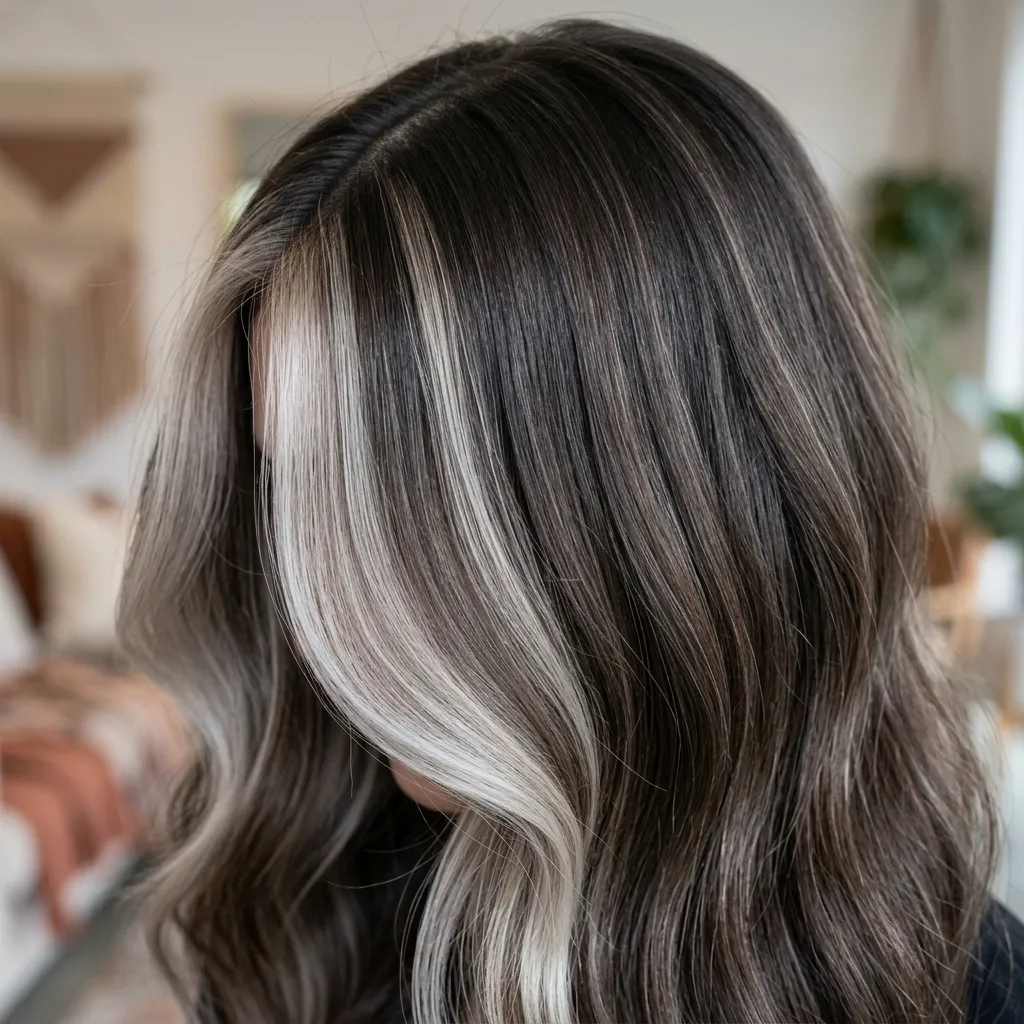
Vibe: cool, bright, face-framing.
Why it works: Concentrating the brightest, coolest tone specifically around the face uses the same principle as color-correcting makeup contour: the eye is drawn to whatever sits closest to the face and catches the most direct light, so two well-placed lightened pieces do more visual work than an equivalent amount of color spread evenly across the whole head. Keeping the rest of the head in its natural or lightly balayaged state also means significantly less lightener exposure overall, which makes the money piece one of the lowest-damage ways to introduce a cool ash element to dark or resistant hair.
How to get it: Ask specifically for two ash-toned face-framing pieces lightened one to two levels brighter than the rest of the balayage, starting near the part, toned with a violet-ash formula like Shades EQ 09V.
4. Cool-Toned Root Melt
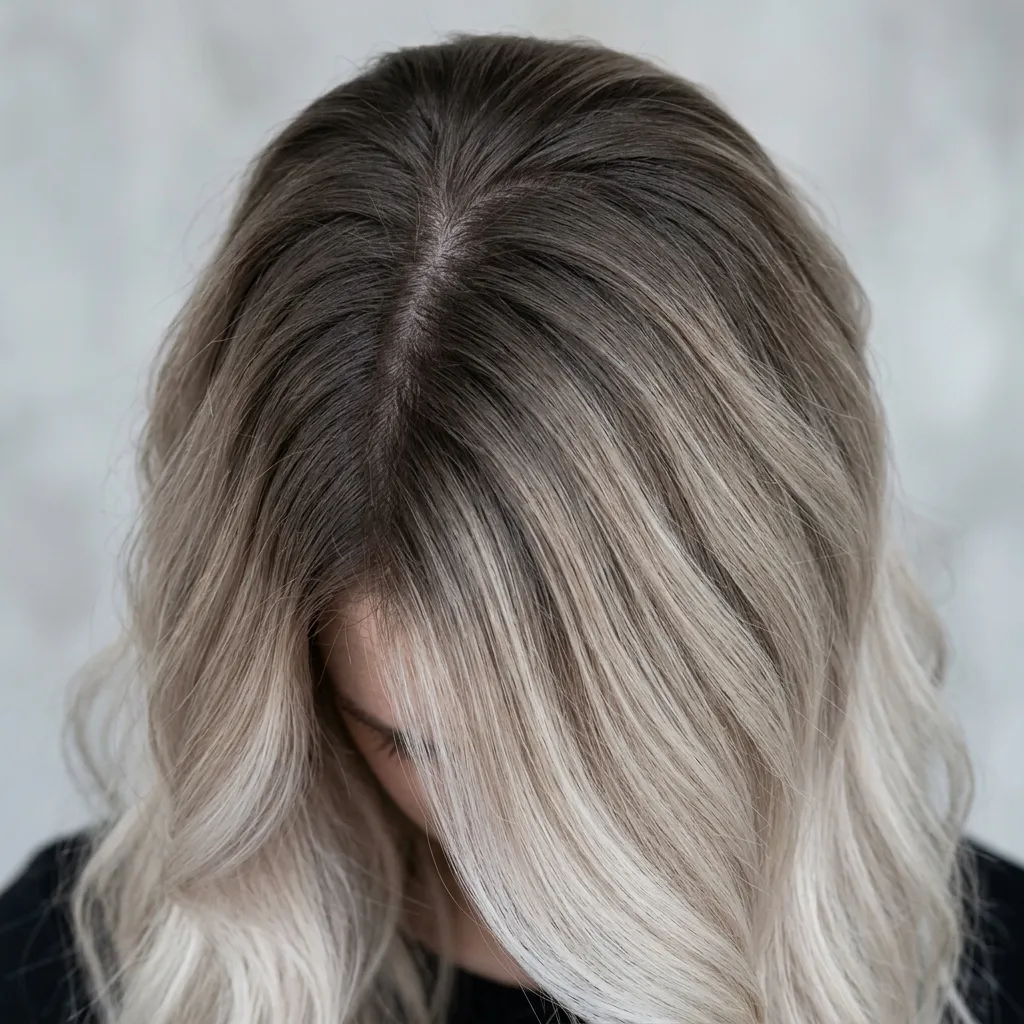
Vibe: smoky, blended, seamless.
Why it works: A root melt blends a cooler, muted root shade directly into the ash ends using a feathered, low-manipulation application, which means both the root and the ends are formulated from the same cool undertone family rather than a warm root fighting a cool end. This is a placement and formulation technique rather than a single color choice: the colorist typically applies a demi-permanent ash-toned gloss like Redken Shades EQ 7NA at the root while the balayage sections process, so root and ends finish in the same visual temperature.
How to get it: Request the colorist “melt” the root with a balayage brush rather than paint it with a hard stop, blending at least 1.5 inches of transition and toning the root area with a demi-permanent ash gloss.
5. Ash Blonde Balayage on Curly Hair
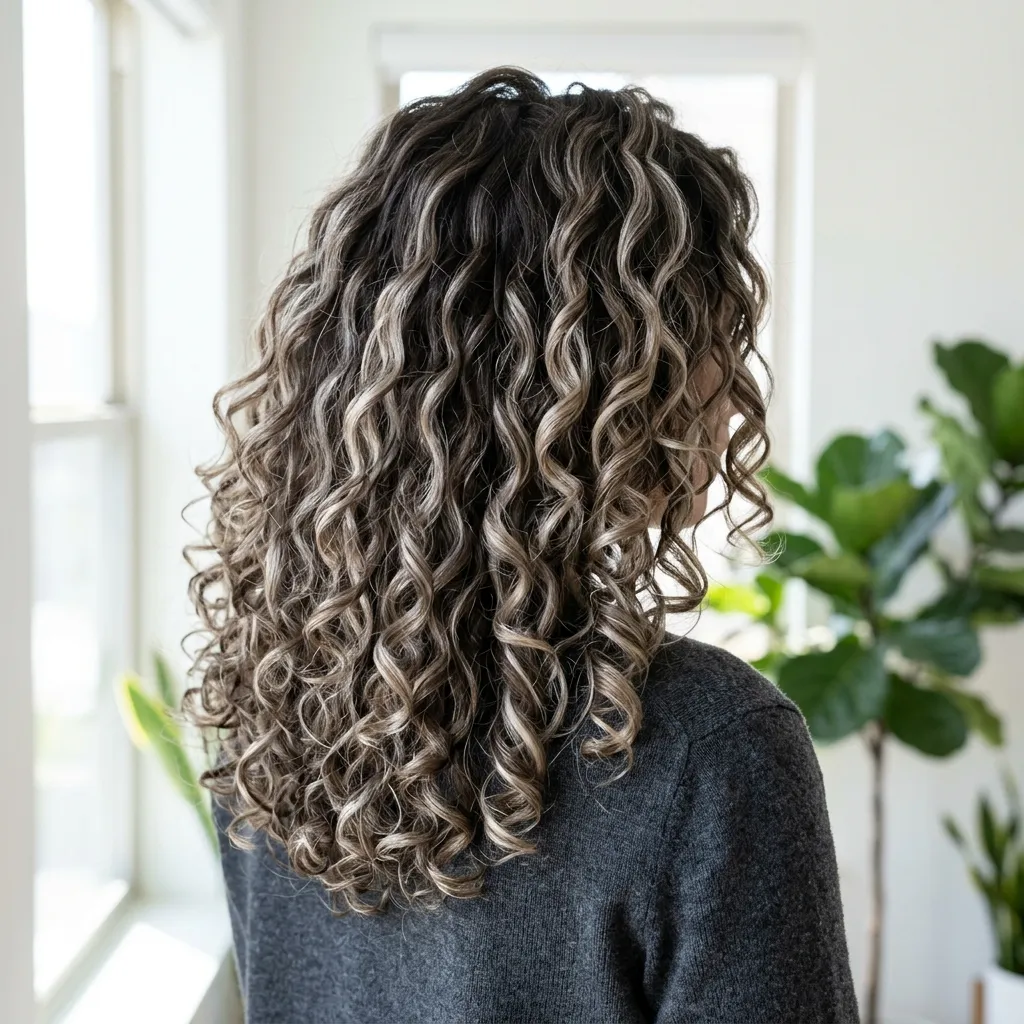
Vibe: cool, dimensional, textured.
Why it works: Curl pattern generates its own natural shadowing as light hits the raised and recessed parts of each coil, so ash balayage on curly hair needs bolder, more saturated placement than the same technique on straight hair, or the muted cool tone gets absorbed into the curl’s own shadow play and reads as flat gray rather than dimensional ash. Colorists specializing in curly texture typically paint in a diagonal, curl-following pattern rather than the horizontal sectioning used on straight hair, since curl clumps shift position between wet application and dry, styled results.
How to get it: Ask your colorist to paint sections while hair is dry and in its natural curl pattern, not stretched straight, so placement lands where it actually shows once curls spring back.
6. Ash Blonde on Red-Toned Natural Hair
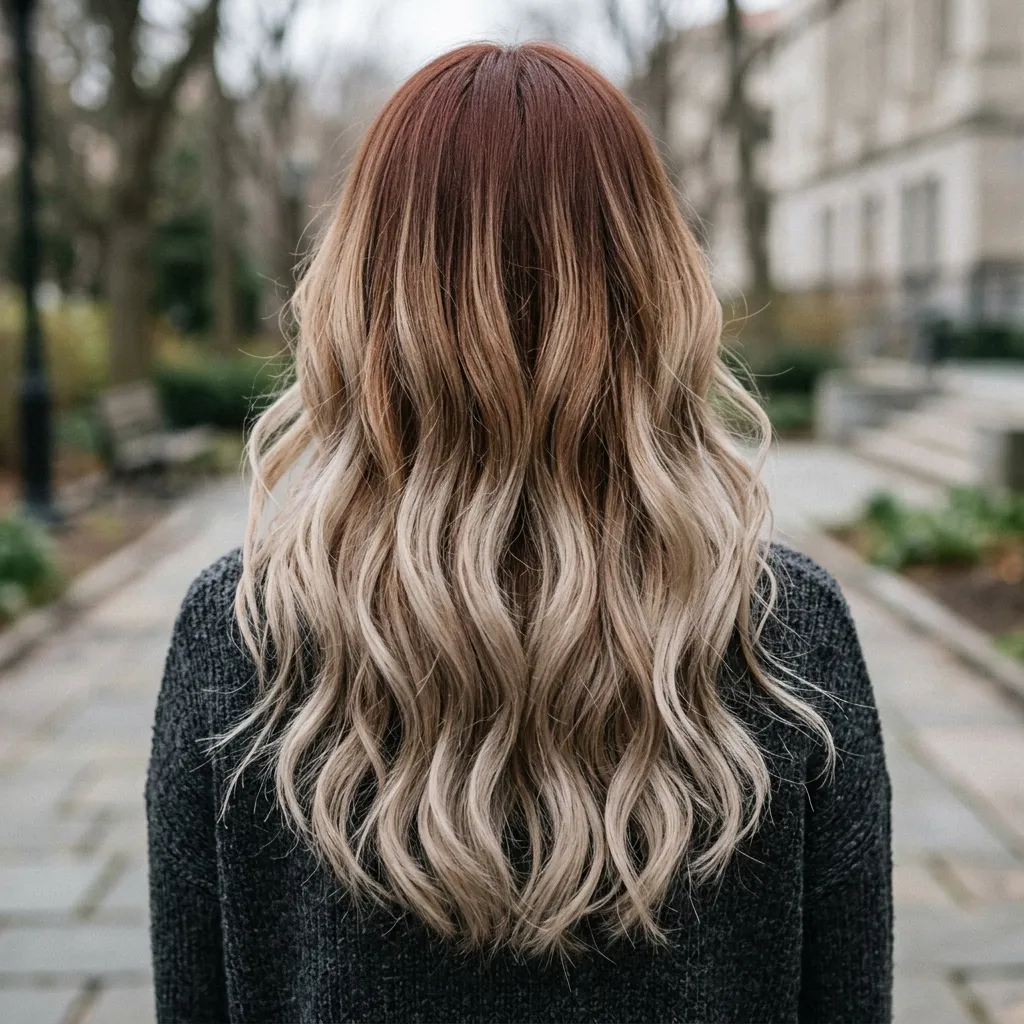
Vibe: cool, neutralized, smoky.
Why it works: Natural red or auburn hair holds more underlying warm pigment, specifically red and orange, than any other natural base, which means violet toner alone often cannot fully cancel it; violet sits opposite yellow on the color wheel, not opposite red or orange. Colorists working on naturally red hair frequently reach for a green-based corrective toner such as Matrix SoColor Pre-Bonded Green or a small addition of green concentrate mixed into the ash formula, since green is the true color-wheel opposite of red and neutralizes it far more effectively than violet does on its own.
How to get it: Ask your colorist about a green-based pre-corrective toner before the final ash application, since violet alone often isn’t strong enough to neutralize red-based hair.
7. Pearl Ash Blonde Highlights and Lowlights
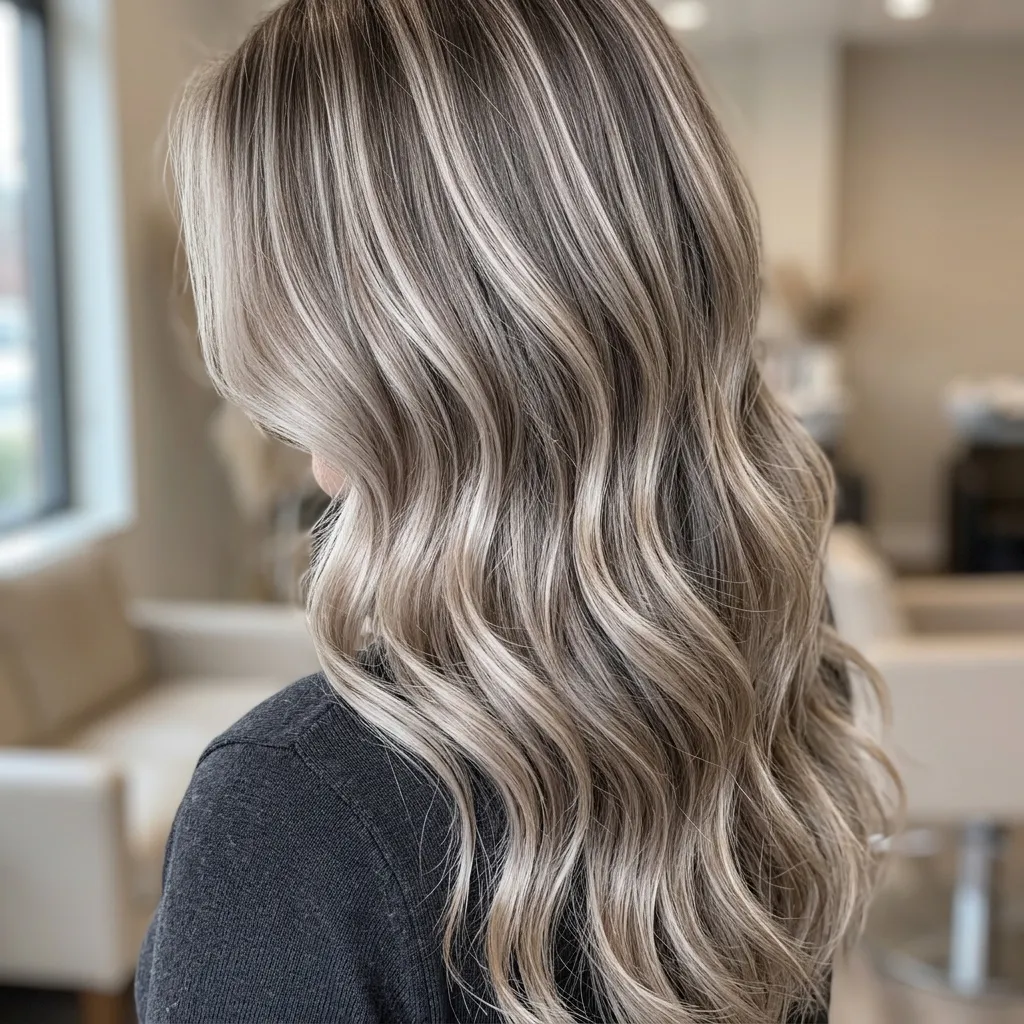
Vibe: luminous, cool, dimensional.
Why it works: Pure, uniform ash balayage can occasionally read flat or slightly gray under warm indoor lighting because a fully neutralized cool tone has no reflective warmth to catch the eye. Weaving in pearl-toned lowlights, formulated with a touch of gold-neutral pigment such as Wella Color Charm T14 Pale Ash Blonde rather than a pure violet, adds a subtle sheen and a second tonal layer that keeps the overall effect luminous instead of matte and dull.
How to get it: Ask for roughly 70 percent ash blonde placement with 30 percent pearl-toned lowlights woven through the mid-lengths.
8. Ash Blonde Ombré for Long Hair
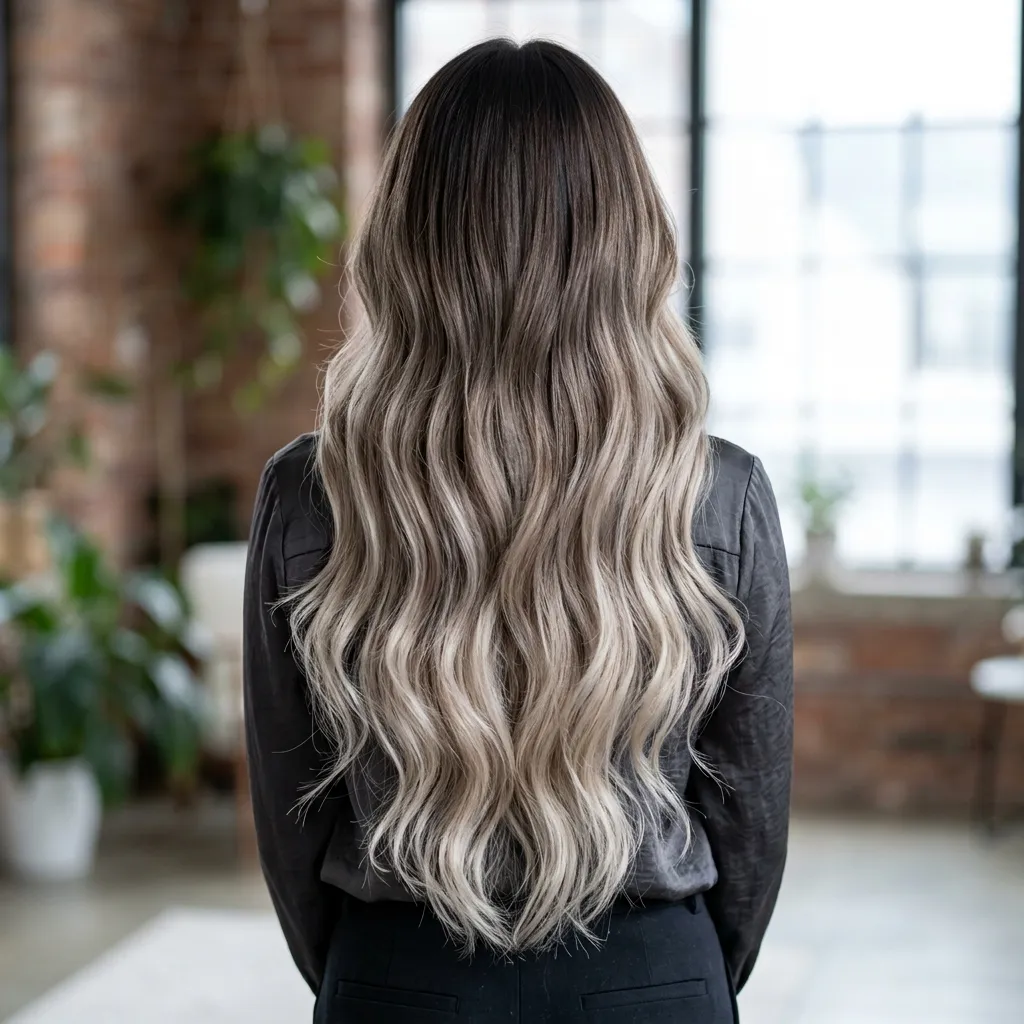
Vibe: dramatic, smoky, layered.
Why it works: Longer hair simply gives the ash gradient more physical distance to build across, which is what turns a subtle balayage sweep into a visible ombré effect: a smooth, continuous vertical shift from dark root to icy end rather than the softer, all-over dimension balayage produces on shorter lengths. Colorists extend the lightener placement further down the mid-shaft on longer hair specifically to give the eye enough length to register the gradient as intentional rather than as an uneven grow-out.
How to get it: Ask your colorist to extend the lightener lower on the mid-shaft than a standard balayage, closer to the bottom third of the hair.
9. Soft Ash Blonde for Fine Hair
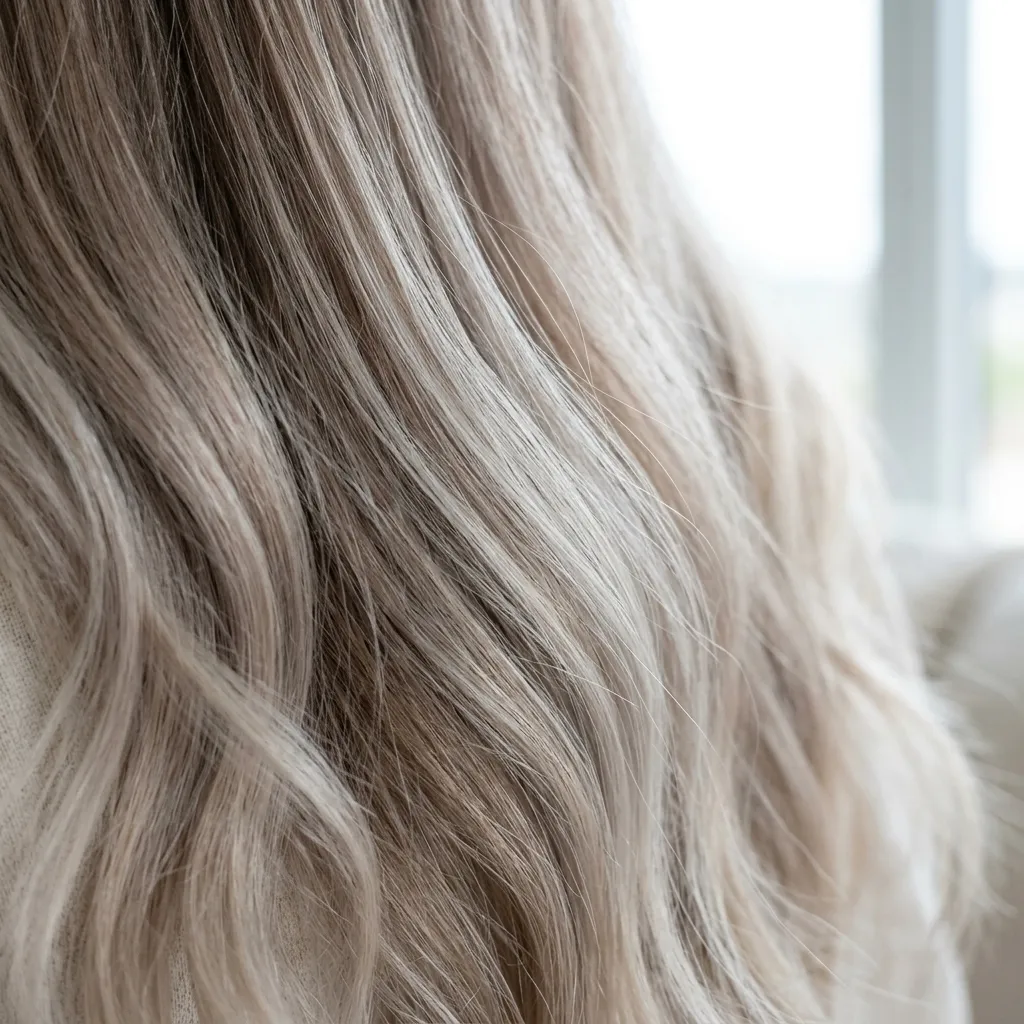
Vibe: soft, muted, airy.
Why it works: Fine hair strands show color saturation more intensely per strand than coarse hair, simply because there’s less strand surface area diluting the visual weight of pigment, so a heavy or high-lift ash formula on fine hair frequently reads as patchy or overly gray. Colorists compensate by using a lower-volume developer, typically 20 volume rather than 30, and diffusing the lightener’s edges with a fan brush instead of concentrated, hard-edged sections, keeping the cool tone soft rather than stark.
How to get it: Ask your colorist to use a lower-volume developer and diffuse color edges with a fan brush rather than concentrated painted sections.
💡 Quick Win: A weightless, color-safe leave-in like Olaplex No. 6 keeps fine ash-toned hair from looking flat between washes.
10. Shadow Root Ash Balayage for Short Hair
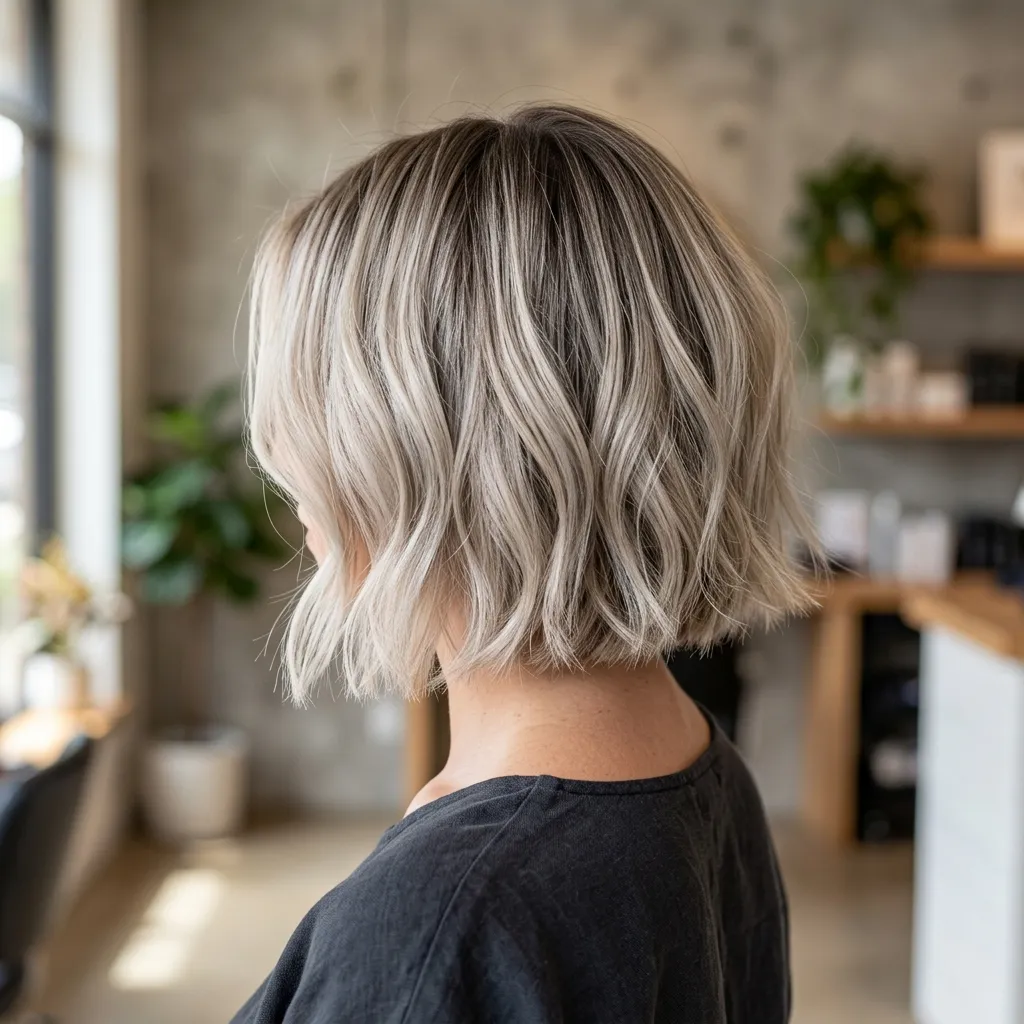
Vibe: low-maintenance, cool, grown-in.
Why it works: Short hair simply doesn’t offer enough length for a traditional, slowly graduated balayage sweep to build across, so colorists compress the technique into a tight shadow root, concentrated within about an inch of the scalp, which keeps the ash tone visible through the shorter lengths without requiring the multi-inch feathered transition zone that longer hair has room for. This compact approach also means regrowth is far less noticeable, since the “root” is designed to be visible by intention rather than disguised.
How to get it: Ask your colorist to keep the root shadow within about an inch of the scalp and lighten the rest more uniformly.
11. Ash Blonde Balayage for Gray Blending
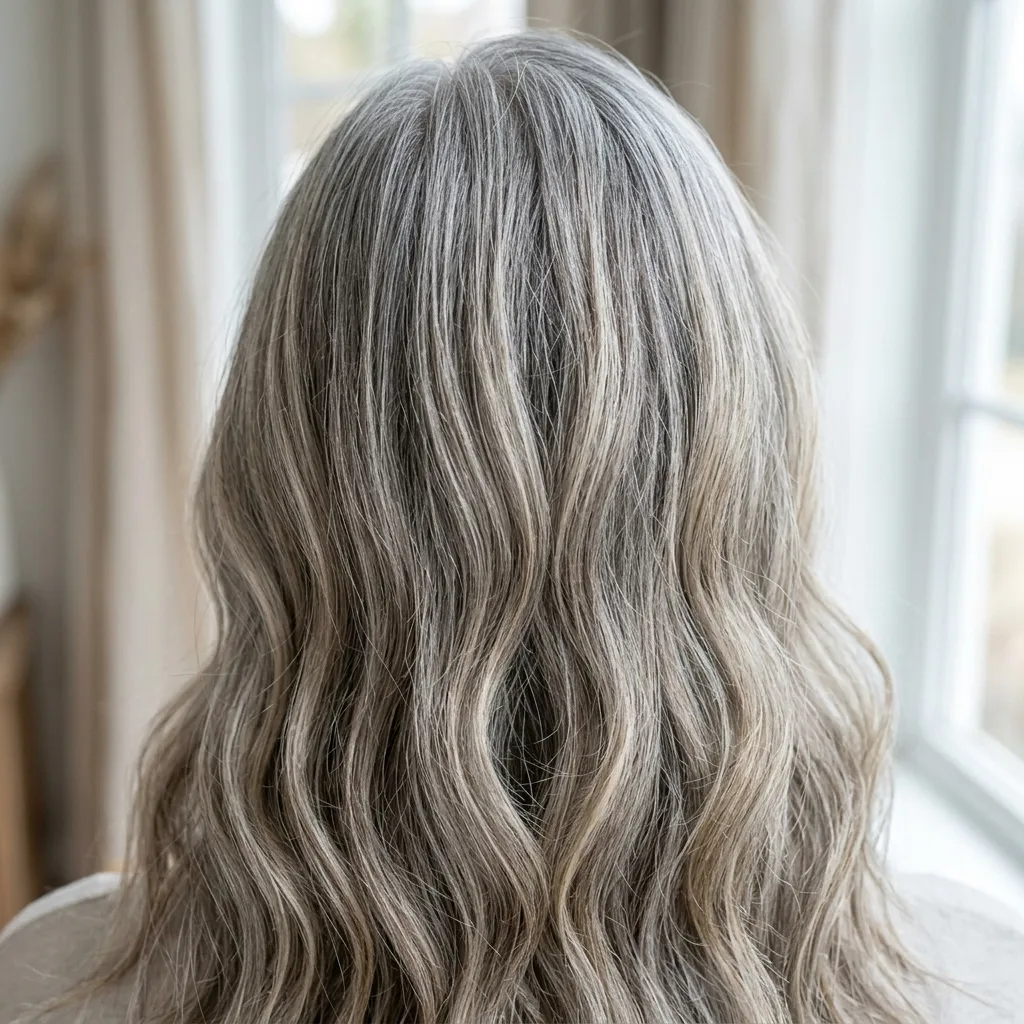
Vibe: soft, natural, camouflaged.
Why it works: Gray hair already carries a cool, low-pigment quality that shares the same color temperature as an ash toner, which means a colorist isn’t fighting warmth the way they would with pigmented hair; the gray and the applied ash tone occupy the same visual family from the start. This natural compatibility is why gray blending has become one of the most requested applications of ash technique specifically, letting graying sections integrate into the balayage pattern rather than standing apart from it.
How to get it: Ask your colorist to weave ash-toned balayage directly through the grayest sections near the temples and part line rather than applying it uniformly.
💡 Quick Win: A silver-toning shampoo like Pravana Silver used weekly keeps both natural gray and ash balayage cohesive in tone.
12. Smoky Bronde Ash Balayage
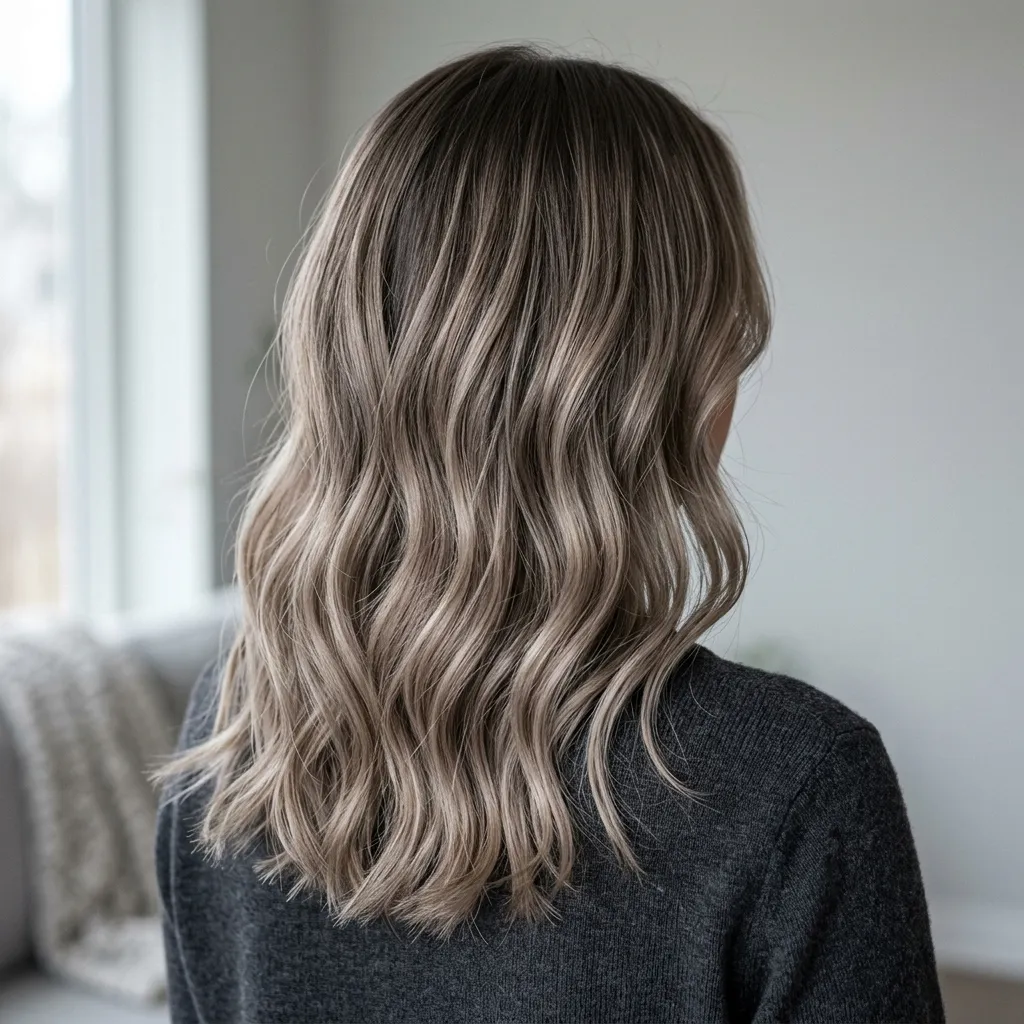
Vibe: balanced, muted, understated.
Why it works: Smoky bronde relies on fine, closely spaced balayage strands rather than the broader sections used for higher-contrast looks, so ash brown and ash blonde blend into one cohesive cool tone when viewed from a normal social distance instead of reading as two distinct, separated colors. The base formula usually stays within one to two levels of the client’s natural depth, which is part of why bronde reads as understated even though it technically involves full-head lightening work.
How to get it: Ask your colorist for “fine-line balayage,” thinner painted sections spaced closer together than a standard sweep, toned with a cool ash-brown gloss like Shades EQ 7NA.
13. Ash Blonde Balayage for Thick, Coarse Hair
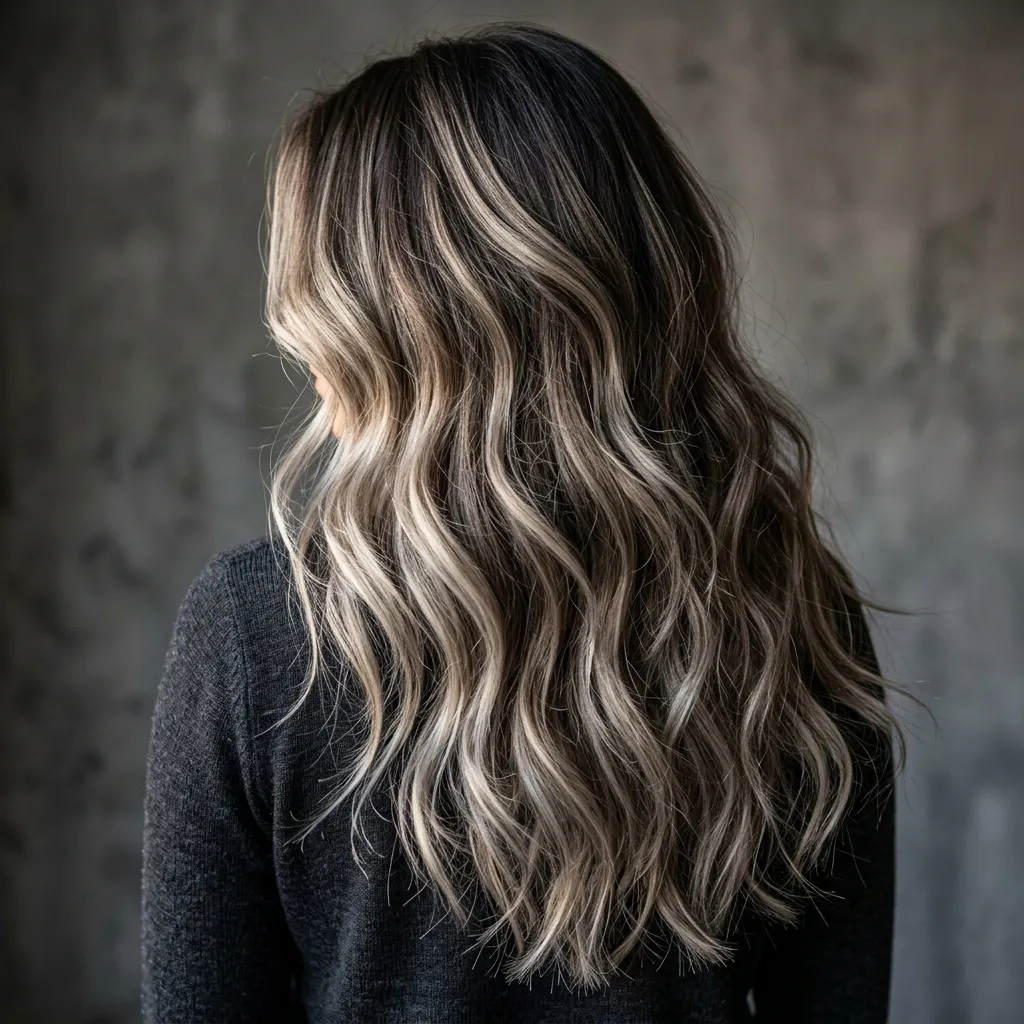
Vibe: bold, cool, substantial.
Why it works: Thick, coarse hair carries more strands per square inch of scalp than fine hair, which dilutes the visual impact of any given amount of color placement, so a bolder, more saturated ash application, and often a slightly higher developer volume to ensure even lift through the denser strand structure, is needed for the cool tone to register clearly rather than getting lost in the hair’s overall density.
How to get it: Ask your colorist to increase the number of painted sections and use a slightly higher-lift lightener than they would on fine hair.
14. Ash Blonde Balayage with Curtain Bangs
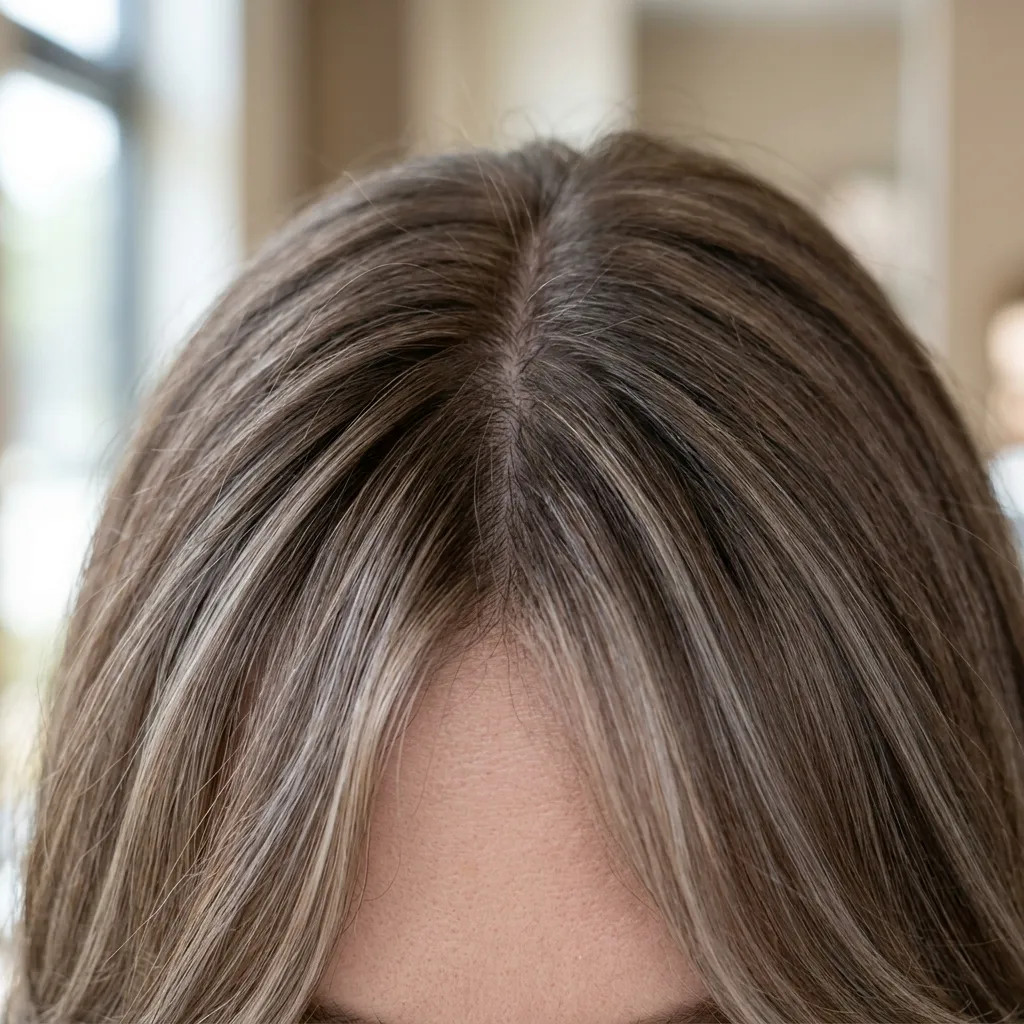
Vibe: cool, soft, face-framing.
Why it works: Curtain bangs sit closer to the face than any other section of hair and catch the most direct, unobstructed light throughout the day, so cool ash tones placed specifically there create a soft, brightening frame without introducing the warmth that might otherwise clash with an overall cool color story elsewhere on the head.
How to get it: Ask your colorist to paint fine, subtle ash strands directly through the bang pieces, keeping lift lighter here than elsewhere.
15. Ash Blonde Balayage on Deep Brunette or Black Hair
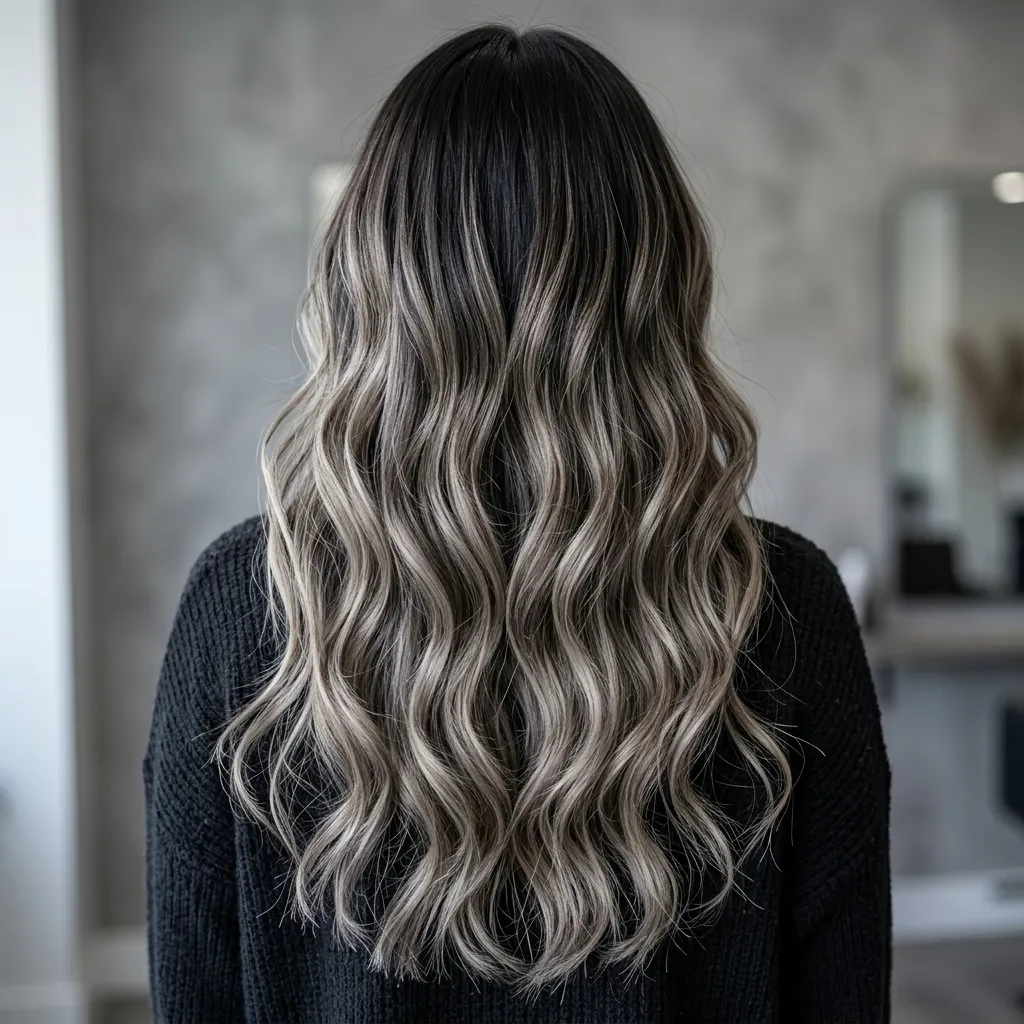
Vibe: rich, cool, dramatic.
Why it works: Very dark or black natural hair holds the greatest amount of underlying warm pigment of any base, which means it must pass through orange and yellow lift stages before an ash toner has anything workable to neutralize; rushing this process in a single session is the single most common cause of a muddy, greenish, or brassy “ash” result on dark hair rather than a clean smoky finish.
How to get it: Plan on two to three sessions spaced six to eight weeks apart rather than pushing for full lift in one visit, with a bond-protecting treatment like Olaplex No. 1 built into each step.
16. Ash Blonde Balayage for Wavy Hair
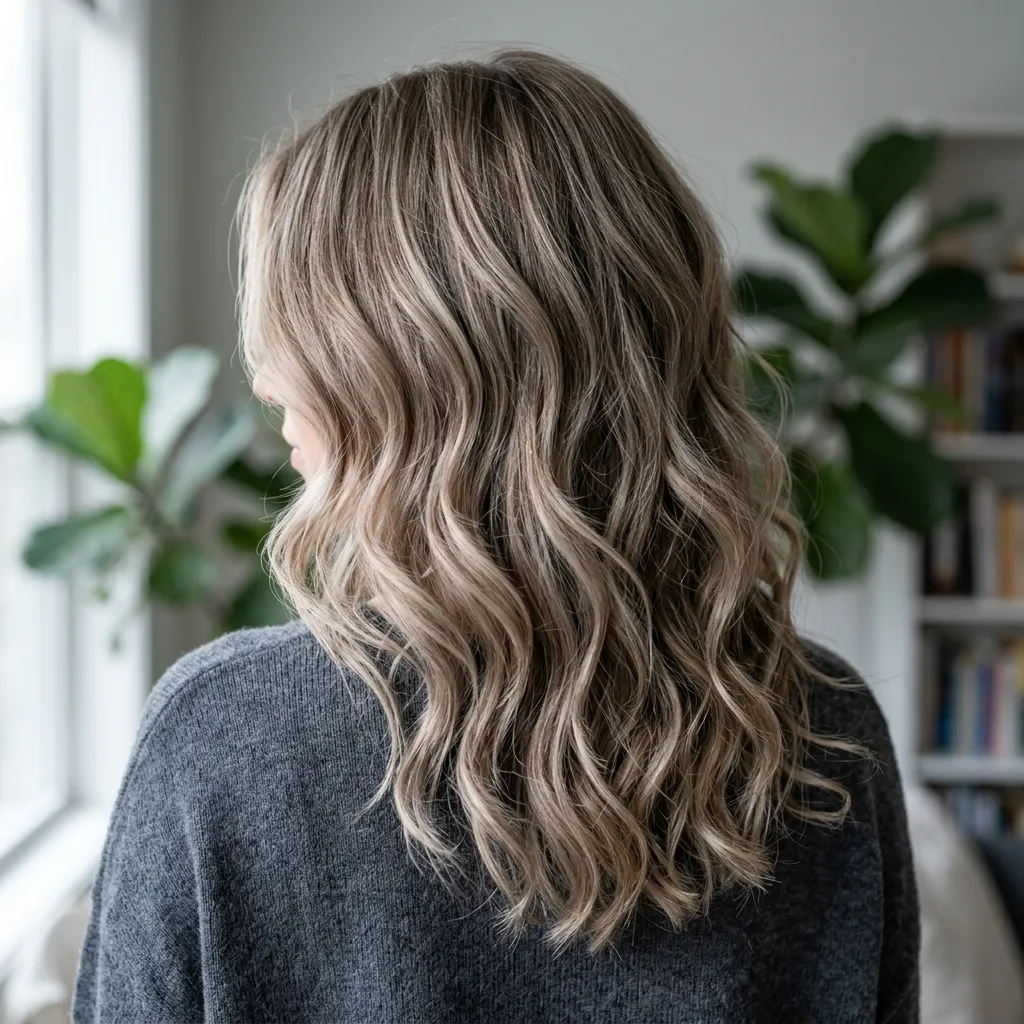
Vibe: cool, relaxed, textured.
Why it works: Wave patterns naturally catch and release light along their raised ridges, so ash balayage placed specifically along those outer curves amplifies the hair’s existing texture instead of flattening the wave into a single uniform block of color, which is the more common (and less flattering) result of an evenly saturated application on wavy hair.
How to get it: Ask your colorist to paint along the raised outer ridges of the waves specifically, rather than saturating the whole section evenly.
17. Cool Beige-Ash Blonde Balayage
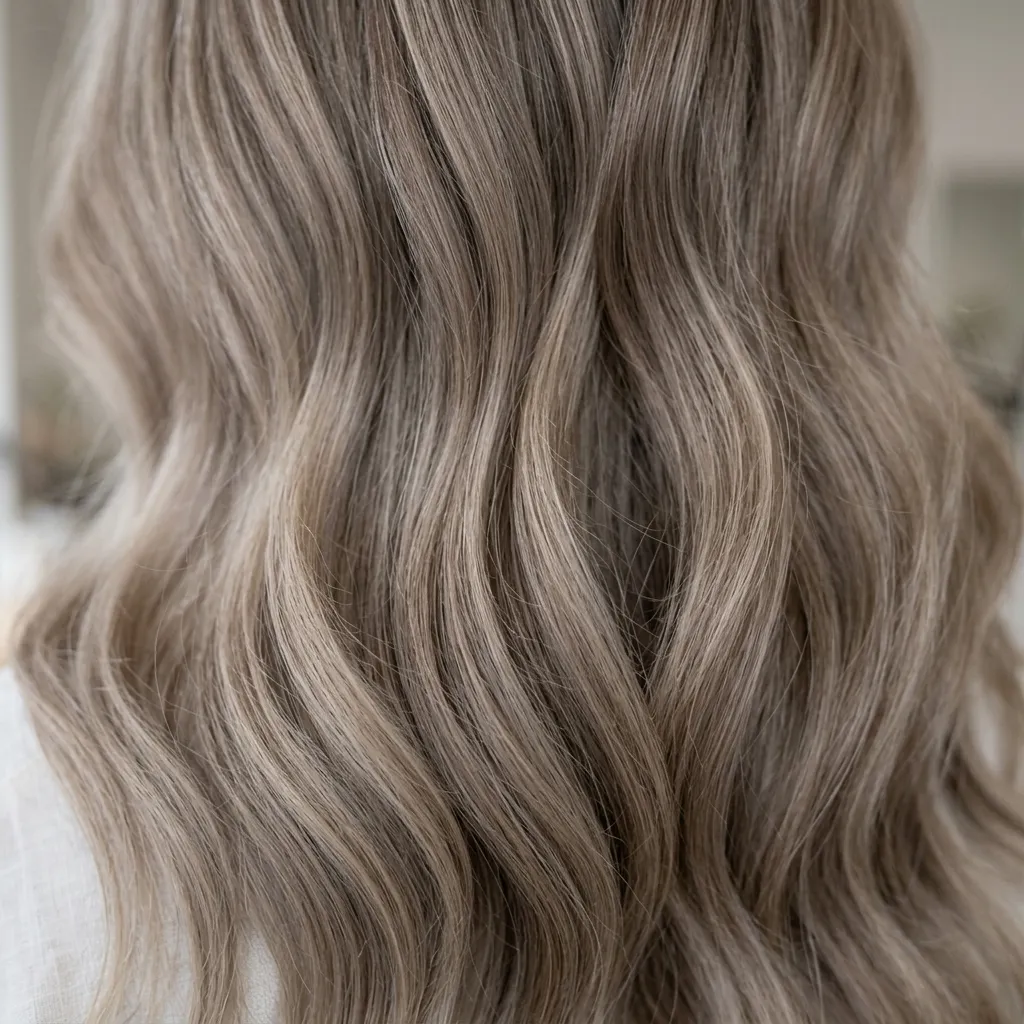
Vibe: soft, muted, neutral.
Why it works: Beige-ash sits deliberately between a true, pure ash and a warmer blonde, retaining just enough underlying gold to keep the result from reading flat or gray, which is a genuine risk with pure violet-ash formulas on already-light natural bases that have little warmth left for the toner to neutralize in the first place.
How to get it: Ask your colorist for a beige-ash toner like Wella T11 rather than a pure violet-ash, since a touch of gold-neutral balance prevents the color from looking dull on lighter starting hair.
18. Ash Blonde Balayage for Pixie Cuts
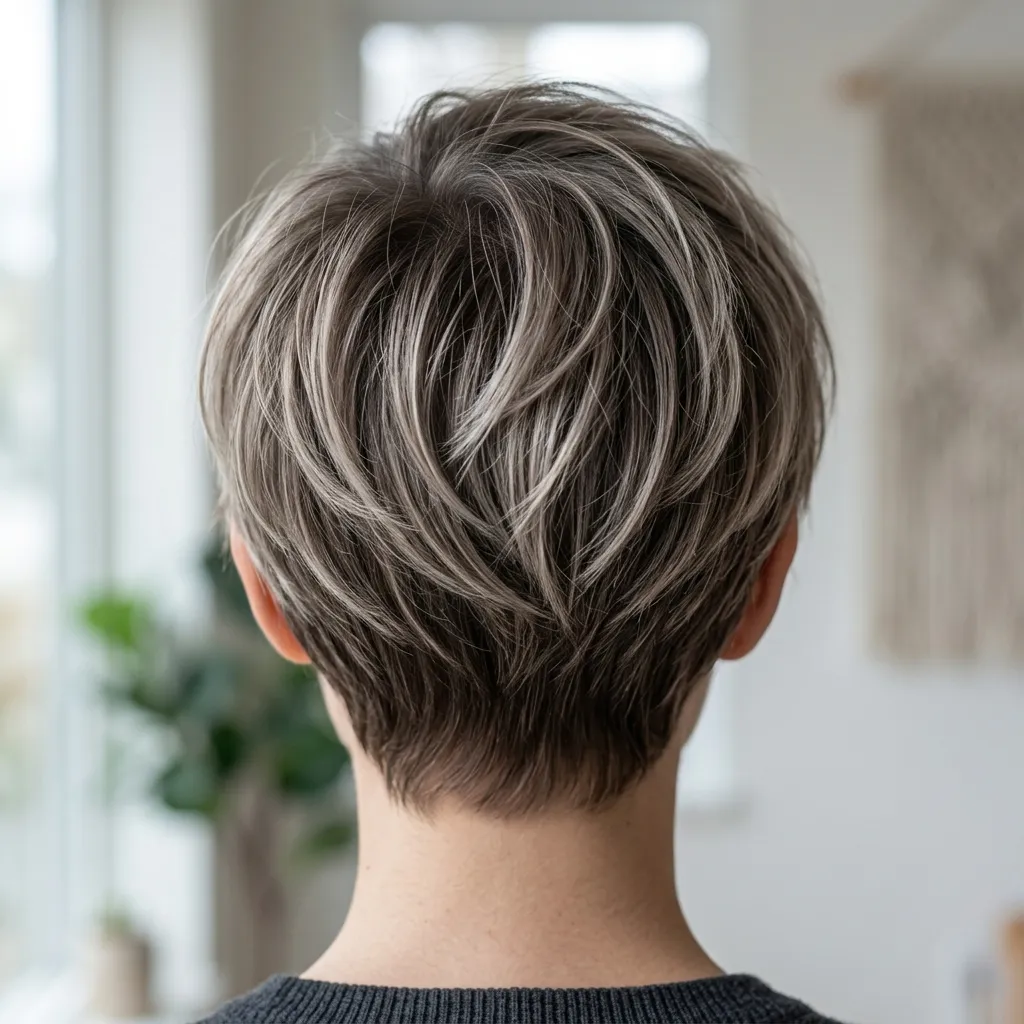
Vibe: cool, crisp, minimal.
Why it works: A pixie cut leaves almost no length for a traditional graduated sweep to build across, so the placement technique shifts entirely to fine, concentrated color at the crown and fringe, the sections of a pixie with the most visible surface area and the greatest exposure to direct light.
How to get it: Ask your colorist to focus ash placement specifically at the top and front sections rather than attempting a full-head sweep.
19. Ash Blonde Balayage with Face-Framing Contour
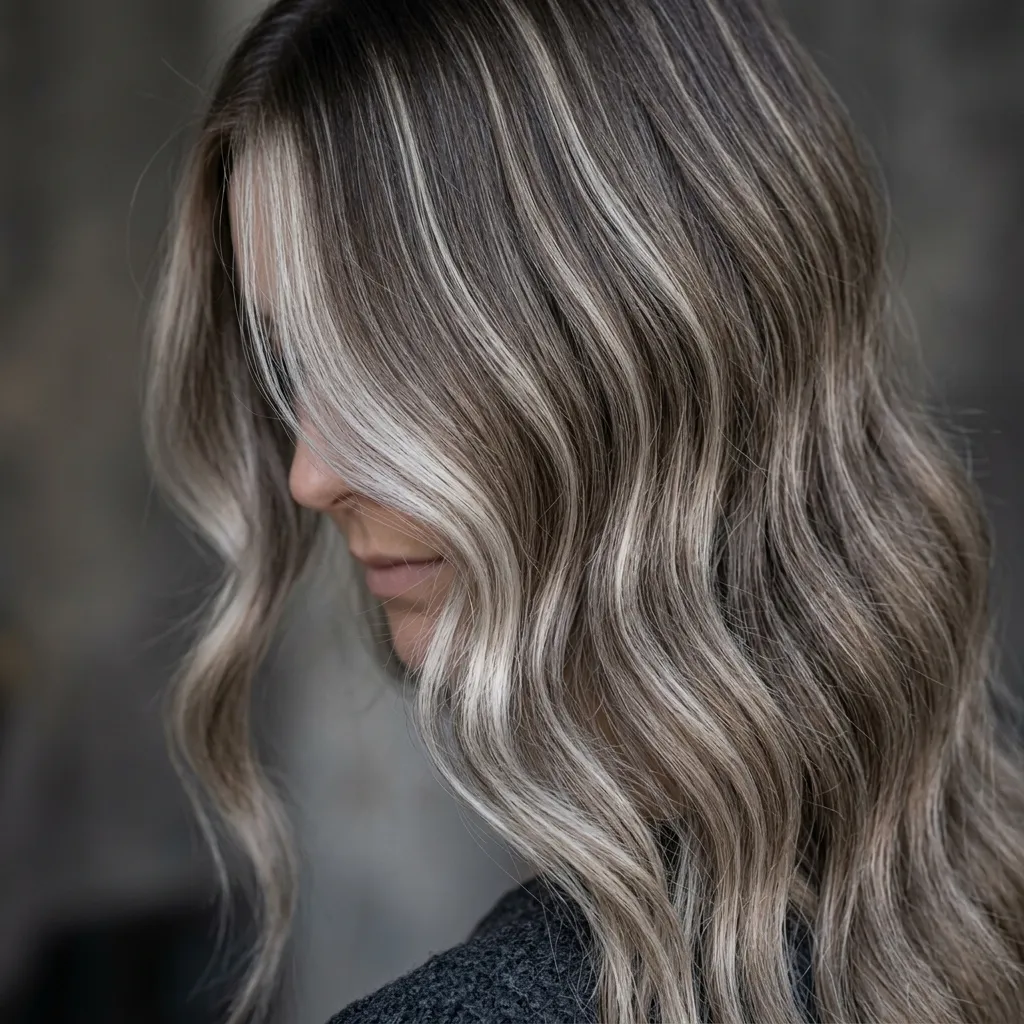
Vibe: sculpted, cool, intentional.
Why it works: Placing the lightest ash tone strategically along the outer hairline uses color the way makeup contouring uses shadow and highlight, drawing the eye along a deliberately mapped line rather than distributing lightness evenly, which visually adjusts the perceived shape of the face through light placement rather than through the haircut itself.
How to get it: Ask your colorist to map the lightest pieces specifically along your jawline-adjacent hair sections rather than distributing lightness evenly across the whole head.
20. Ash Blonde Balayage for Layered Long Hair
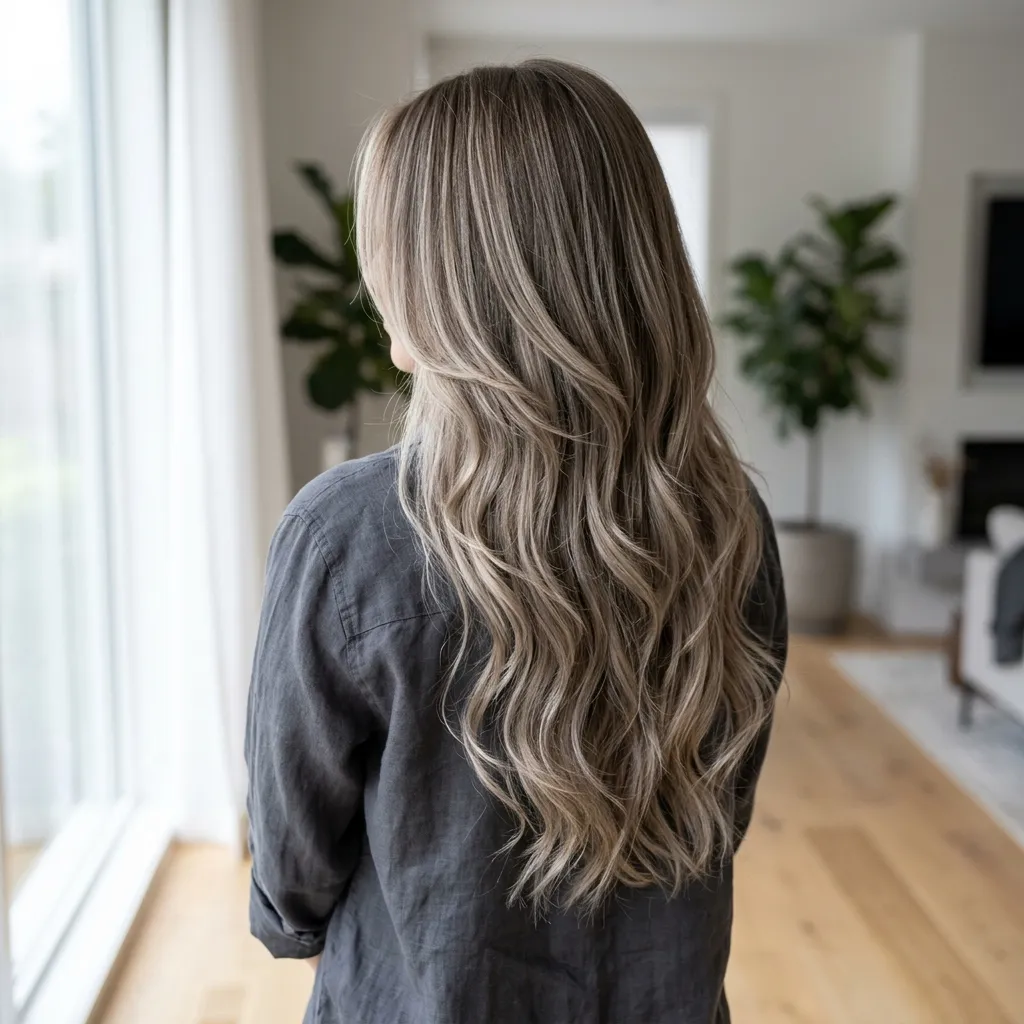
Vibe: flowing, cool, dynamic.
Why it works: Layered haircuts already build in natural movement and separation between sections of hair, and ash balayage placed to follow each individual layer’s edge amplifies that movement rather than blurring the whole head into a single flat mass of cool tone.
How to get it: Ask your colorist to paint each layer’s under and top sections slightly differently so the cut’s structure stays visible through the color.
21. Ash Blonde Balayage for a Medium-Length Lob
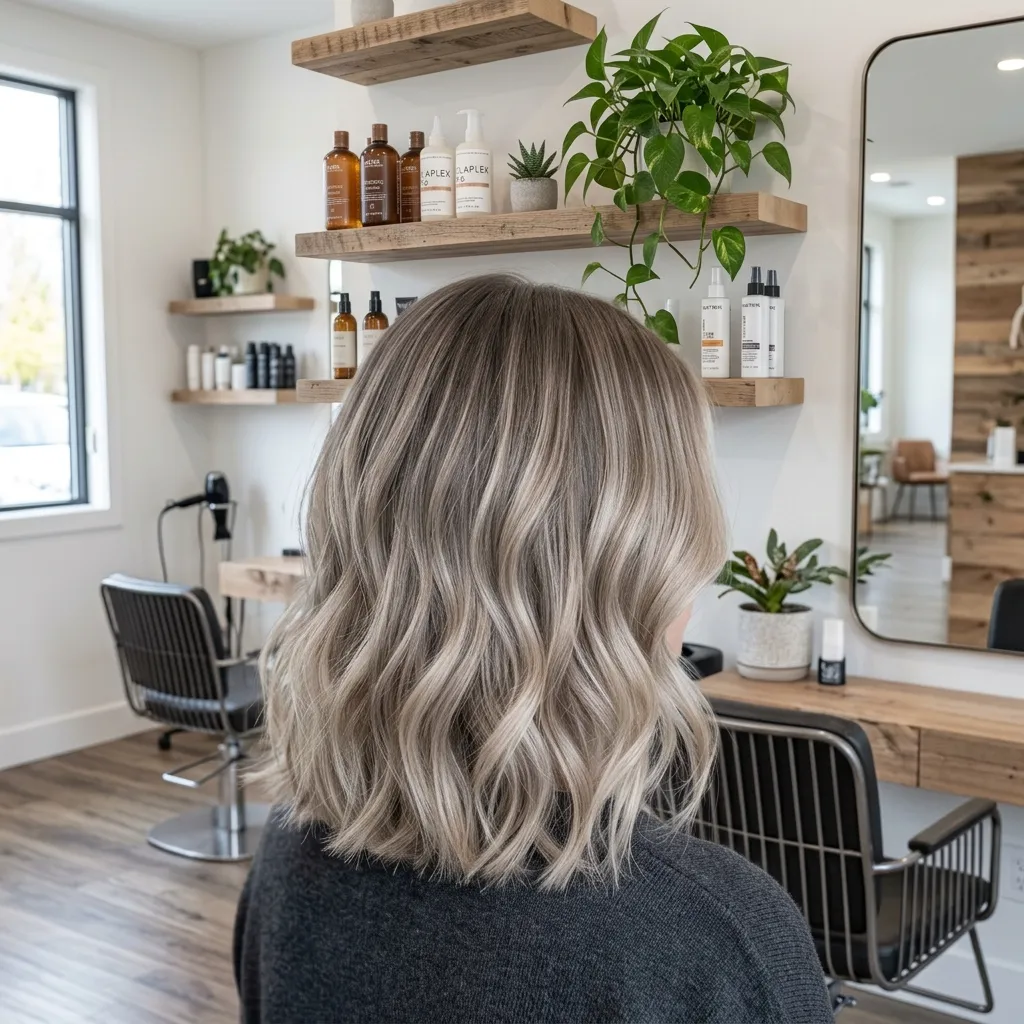
Vibe: cool, polished, modern.
Why it works: A lob offers just enough length for balayage to build a genuine gradient without the drama of a full-length ombré, which makes it one of the most balanced haircut lengths for showing off a graduated ash effect within a shorter overall commitment.
How to get it: Ask your colorist to start the lightener slightly higher, around cheekbone level, than they would on longer hair, since a lob has less length to distribute the transition across.
22. Ash Blonde Balayage with Violet Undertone
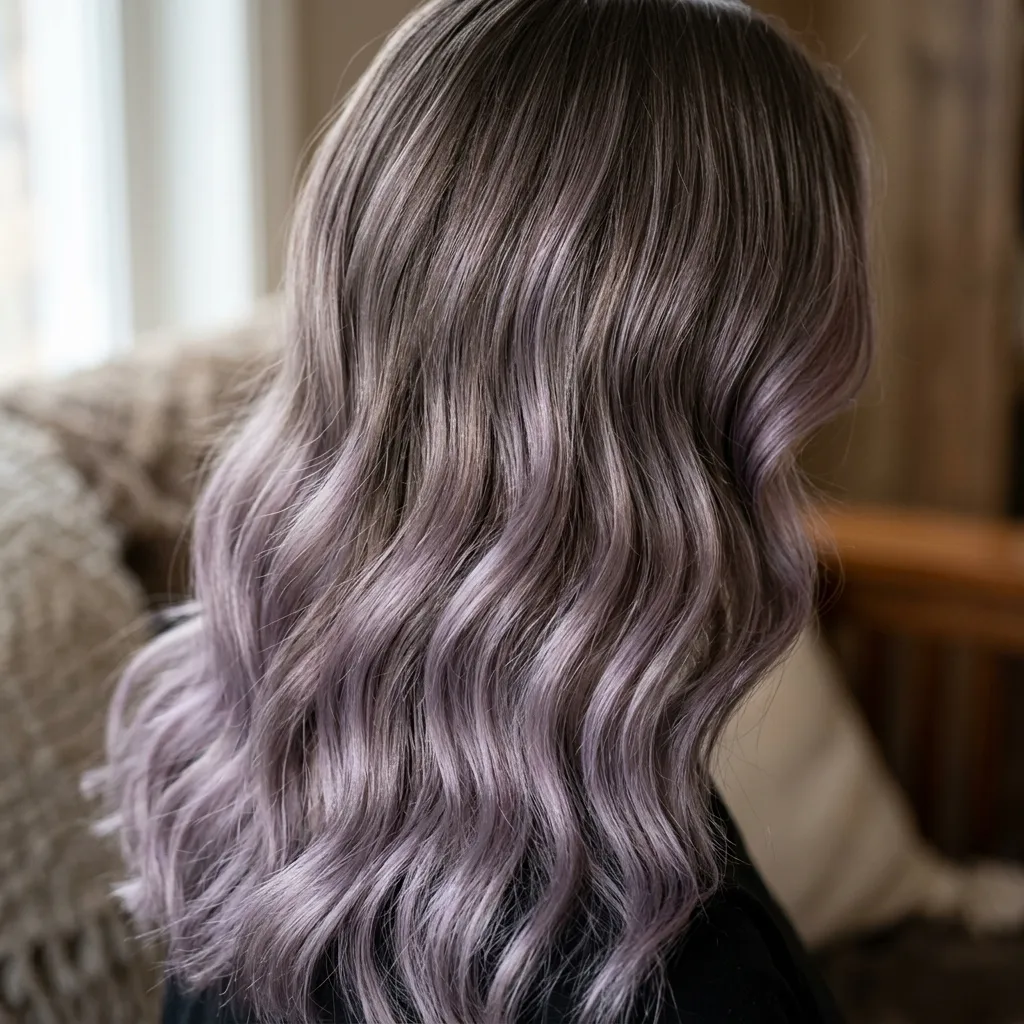
Vibe: cool, subtle, refined.
Why it works: A deliberately increased violet concentration pushes the ash formula further toward a smoky lilac-gray cast rather than a neutral beige-ash, giving the color a distinct, more pronounced cool identity that reads clearly as an intentional style choice rather than simply the byproduct of neutralizing warmth.
How to get it: Ask your colorist to add a small percentage of violet concentrate, like Wella Color Touch Special Mix 0/6, to the standard ash toner mix for a more pronounced cool cast.
23. Ash Blonde Balayage for Cool Skin Tones
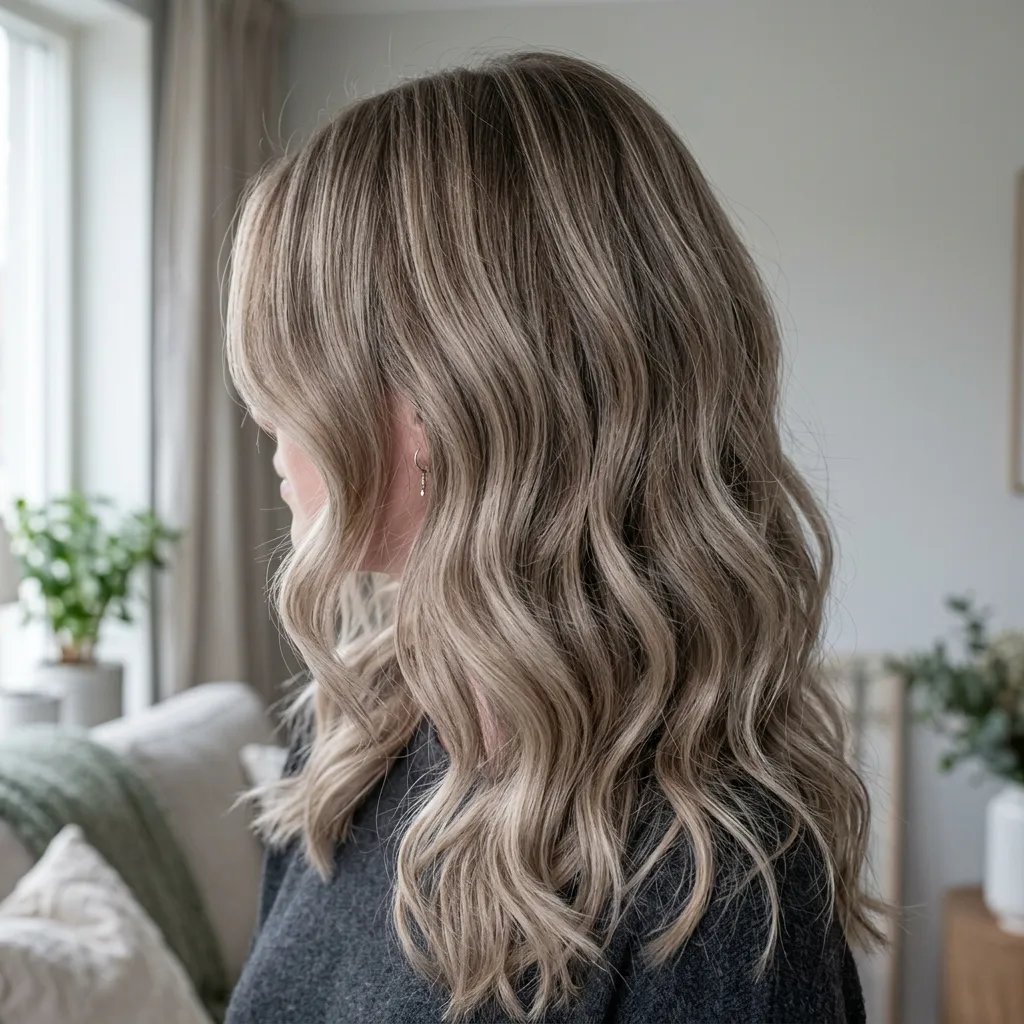
Vibe: cool, harmonious, soft.
Why it works: Cool undertone skin, meaning skin with pink or blue-based undertones rather than yellow or golden ones, pairs naturally with ash hair color because both share the same underlying color temperature, avoiding the visual clash that can occur when a warm-toned hair color sits against cool-toned skin and makes the complexion appear sallow by comparison.
How to get it: Ask your colorist to keep the ash tone close to your natural depth level rather than lifting dramatically lighter, since a closer match tends to look most harmonious against cool skin.
24. Ash Blonde Balayage Maintenance Routine
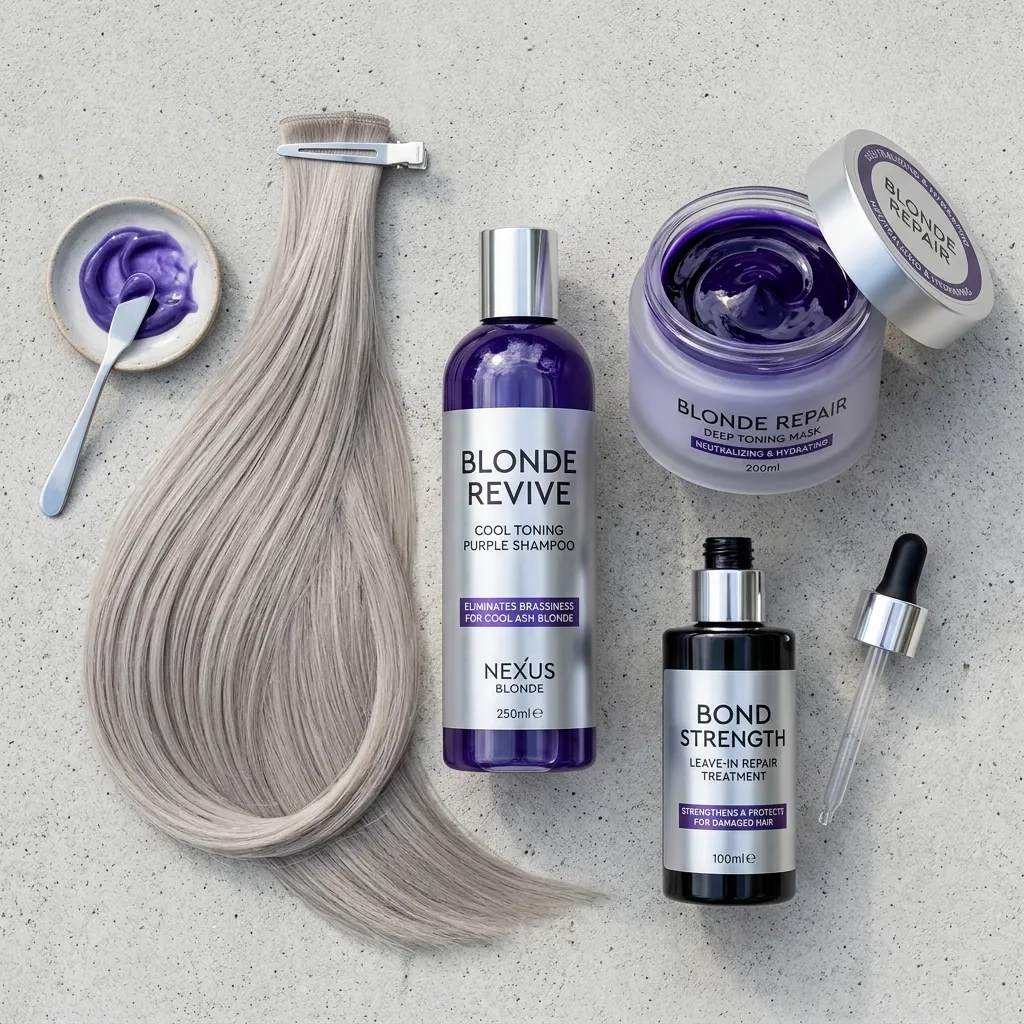
Vibe: clean, organized, cool-toned.
Why it works: Ash tones fade measurably faster than warm tones because the violet pigment responsible for canceling warmth is a smaller, more easily washed-out molecule than the natural warm pigment underneath it, so as the violet fades first, the hair’s own residual warmth resurfaces within a matter of weeks rather than months.
How to get it: Alternate a purple-toning shampoo like Kevin Murphy Blonde Angel twice a week with a regular color-safe shampoo the rest of the week to avoid over-toning the hair purple.
💡 Quick Win: A cool-water rinse at the end of every wash helps seal the hair cuticle and slow color fade.
25. Ash Blonde Balayage for Thin, Fragile Hair
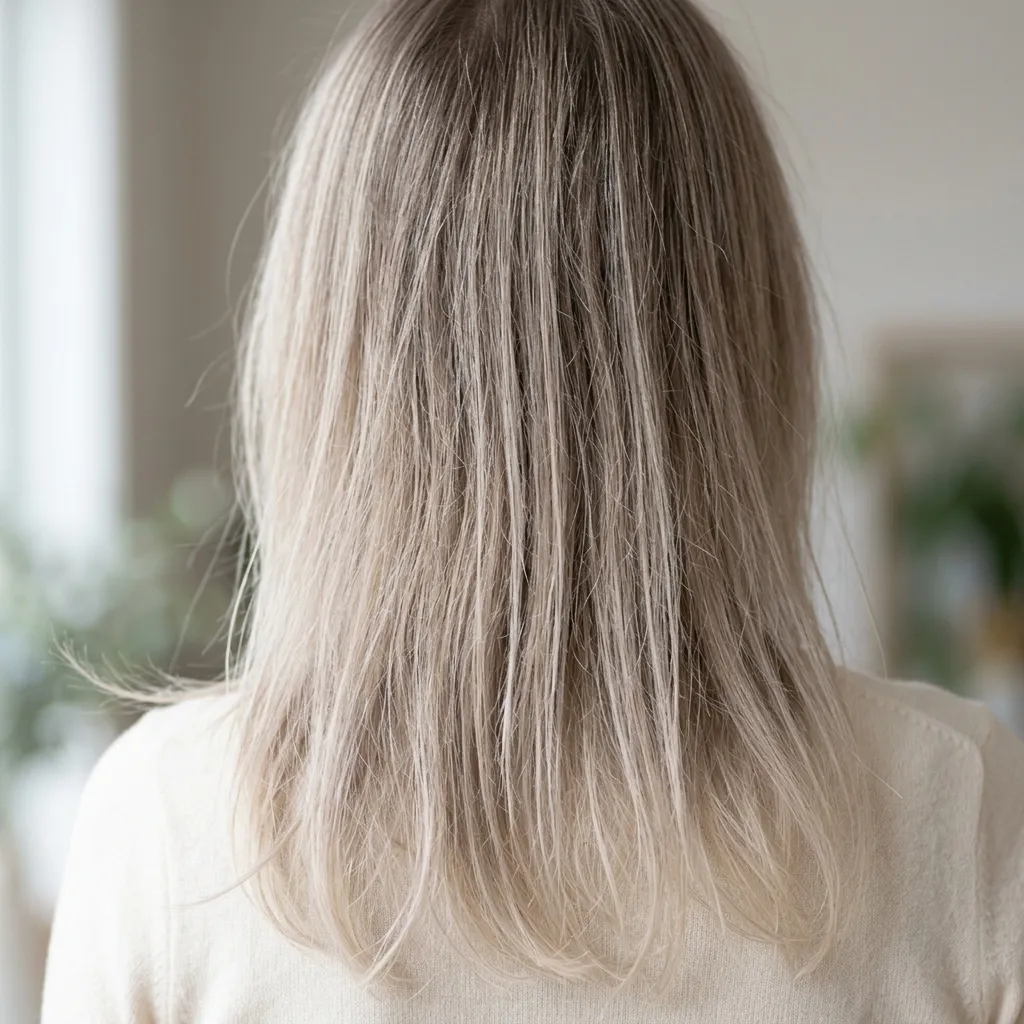
Vibe: gentle, cool, delicate.
Why it works: Fragile or previously compromised hair cannot safely tolerate high-volume lightener without risking breakage, so a colorist working on thin or damaged hair typically achieves the ash effect by toning existing lightness with a low-lift demi-permanent formula rather than lifting the hair any further, protecting hair integrity while still shifting the visible tone cool.
How to get it: Ask your colorist about a gloss-only ash toning service, such as a demi-permanent glaze, instead of a full lightening balayage if your hair is already fine or compromised.
26. Ash Blonde Balayage Over Previously Colored Hair
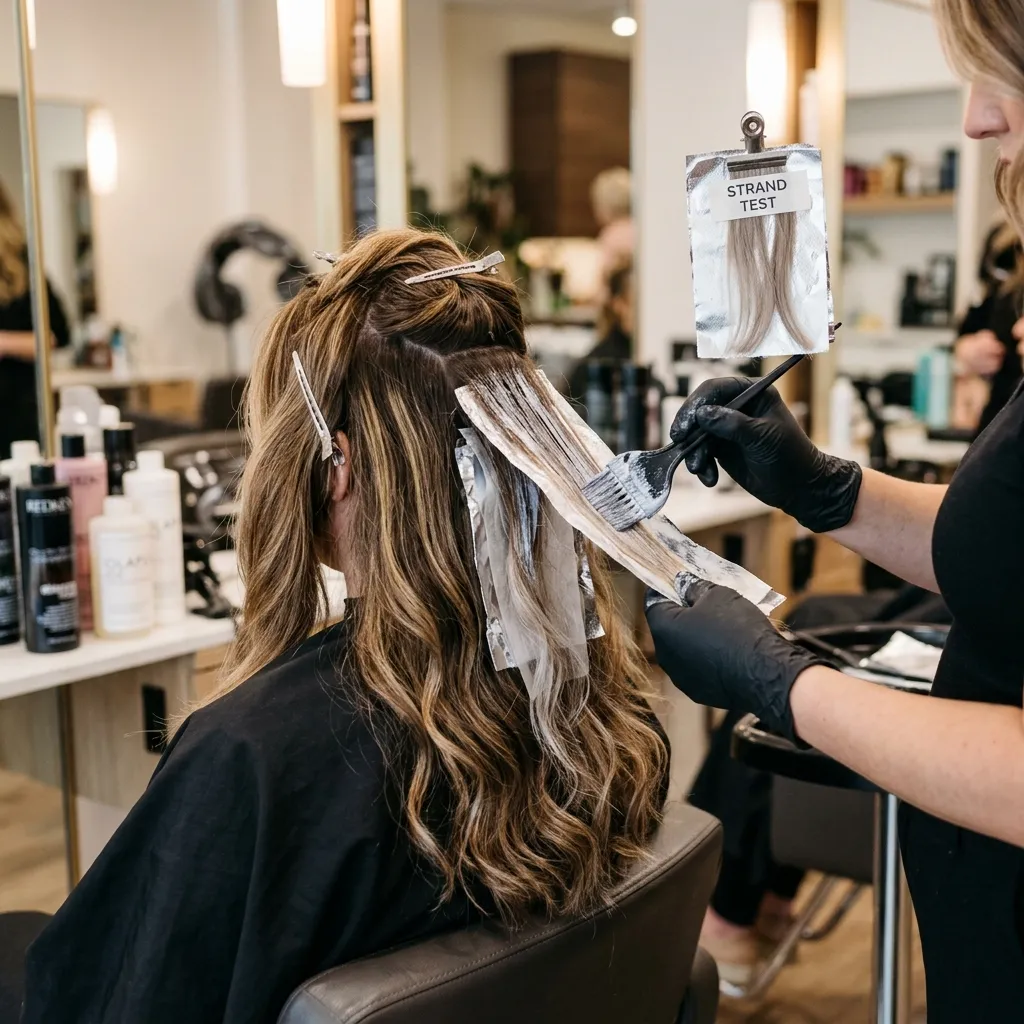
Vibe: refreshed, cool, corrective.
Why it works: Previously colored hair, especially hair treated with box dye or prior bleach, is more porous than virgin hair and absorbs violet toner unevenly as a result, which can produce patchy gray or purple-tinted sections rather than a uniform ash finish if the colorist doesn’t test the hair’s specific porosity and existing pigment history first.
How to get it: Bring your colorist details of any prior color services, including box dye, keratin treatments, or prior bleach, so they can run a strand test for compatibility before applying ash toner.
27. Ash Blonde Balayage for Dense, Resistant Hair
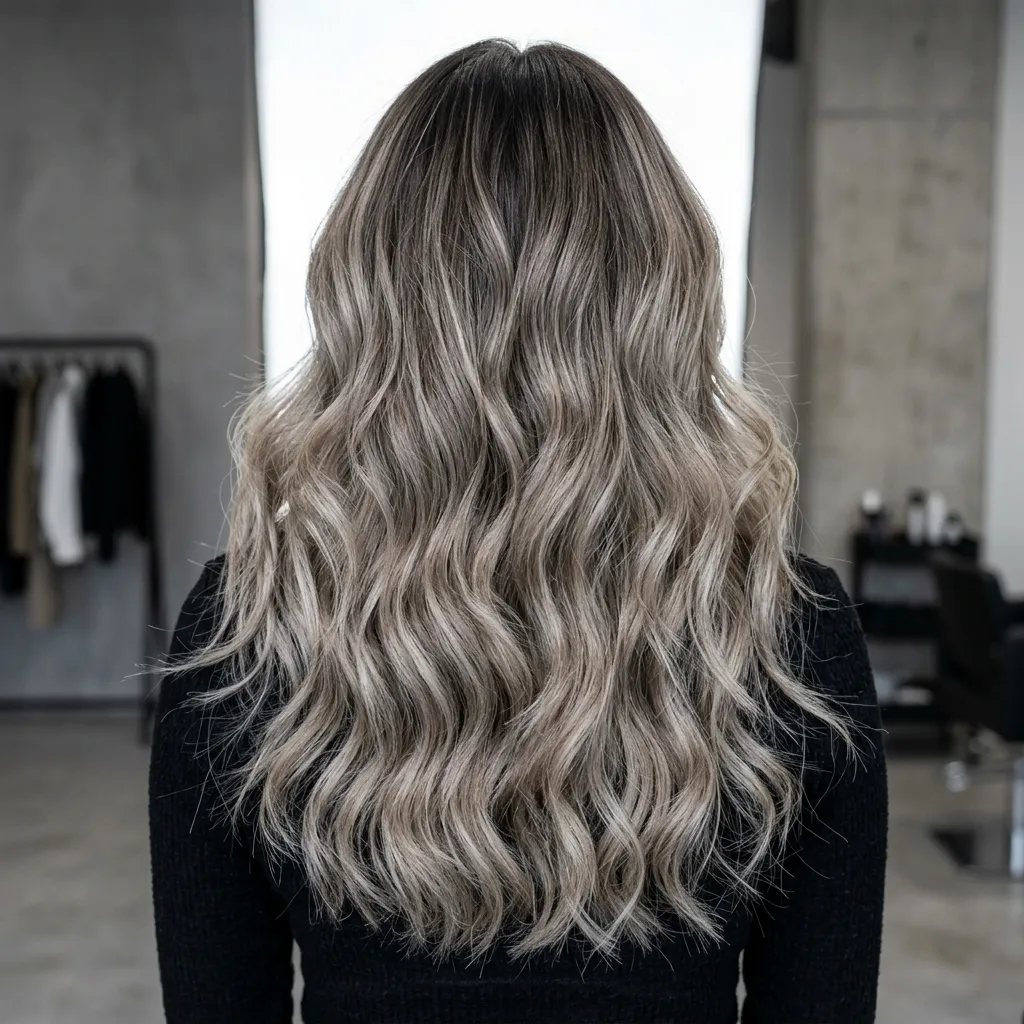
Vibe: cool, structured, bold.
Why it works: Dense, resistant hair strands, often with a tighter cuticle structure, can take significantly longer to absorb lightener evenly, so colorists working on this hair type frequently need extended processing time or a marginally stronger developer to achieve consistent lift before the ash toner can be applied with a predictable result.
How to get it: Ask your colorist about processing time expectations upfront, since resistant hair textures may need a longer single session or a split two-part appointment.
28. Ash Blonde Balayage for a Textured Bob
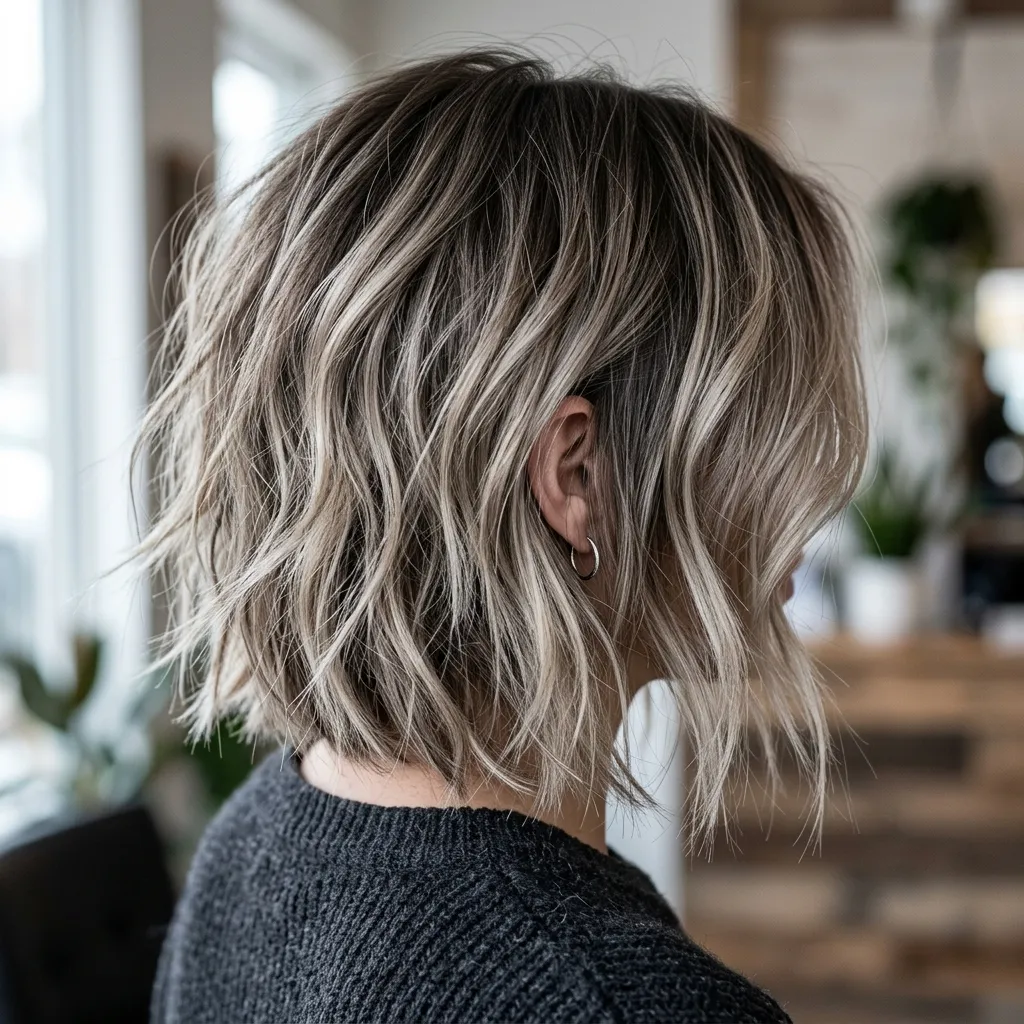
Vibe: cool, edgy, textured.
Why it works: A textured, choppy bob shows more individual ends and cut edges than a blunt one-length bob, and ash balayage placed precisely at those cut lines emphasizes the haircut’s own texture rather than smoothing the whole silhouette into a single uniform block of tone.
How to get it: Ask your colorist to concentrate lightener at the very tips and choppy point-cut sections rather than blending broadly through the mid-lengths.
29. Ash Blonde Balayage for Special Occasion Styling
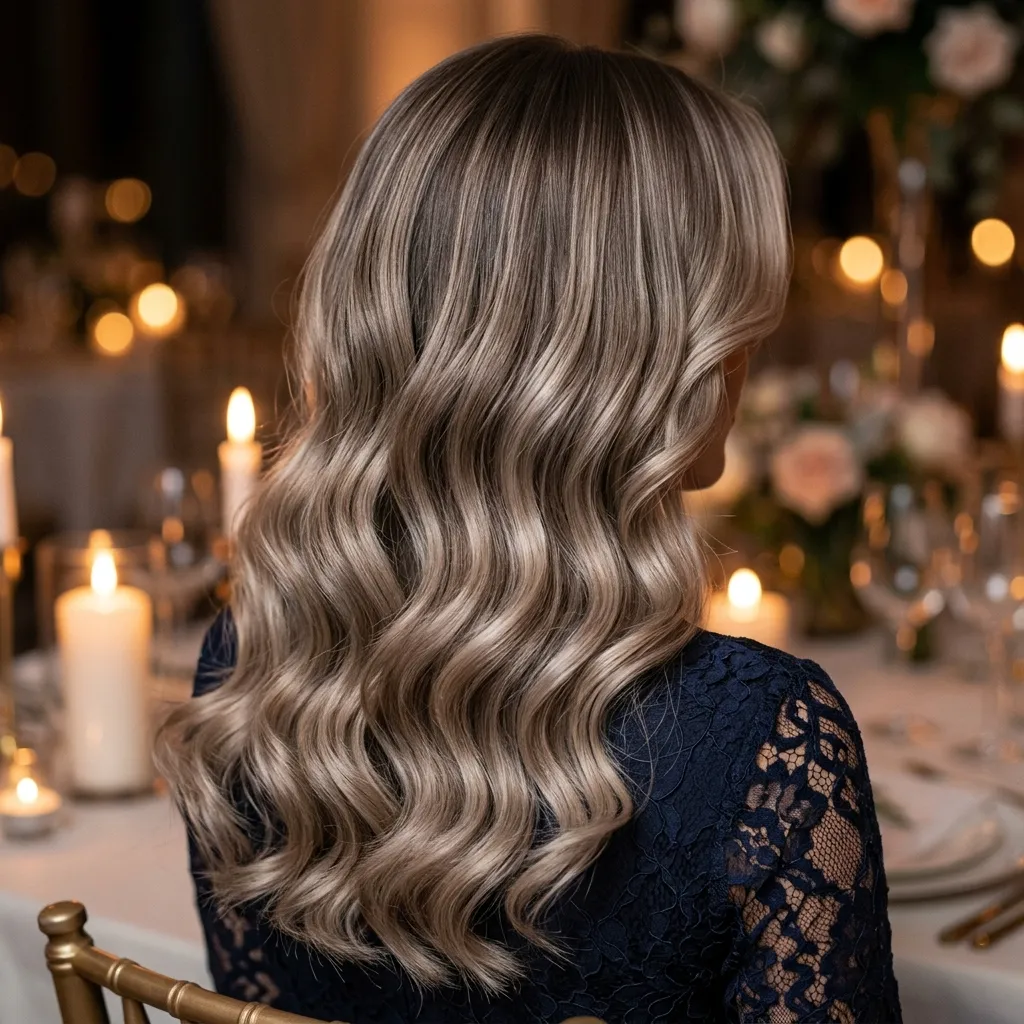
Vibe: romantic, cool, polished.
Why it works: Curled or waved styling reflects light very differently than hair worn straight, and the cool ash dimension shows most clearly once the hair has actual movement to catch and release light across, which is why ash balayage tends to photograph especially well when it’s been styled specifically for an event rather than worn flat.
How to get it: Curl hair away from the face in large sections with a 1.25-inch barrel iron, which shows off the balayage graduation without over-tightening the wave pattern.
💡 Quick Win: A light-hold shine spray applied after curling, like Redken Shine Flash, keeps the cool tone looking glossy rather than matte-dry for photos.
30. Ash Blonde Balayage for a Small Section Test Run
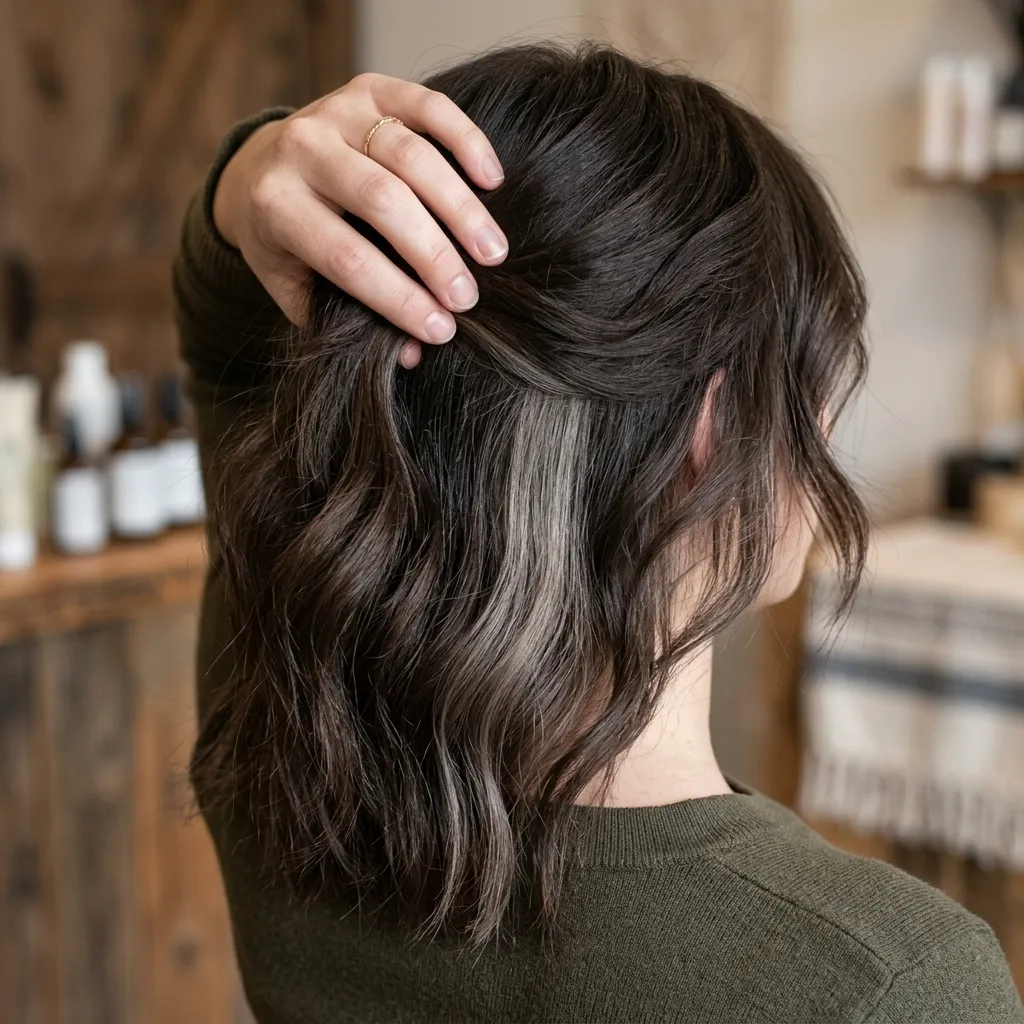
Vibe: subtle, cautious, cool.
Why it works: Placing a small ash-toned test section specifically in the underlayer lets both colorist and client see exactly how the cool tone will actually read on that individual hair, including how quickly it fades and whether any residual warmth resurfaces, before committing the whole head to a full-scale balayage service.
How to get it: Ask your colorist for a “peekaboo test panel,” a few painted underlayer pieces you can flip up to check the tone before booking a full balayage.
How to Start Your Ash Blonde Balayage Journey
The single most important first move is booking a color consultation with reference photos in hand before committing to a full appointment, rather than walking in and asking for “ash blonde” without further context. A consultation is where your colorist assesses your natural depth level and existing warmth, checks for any porosity issues from prior color services, and determines realistically how much corrective toning the ash formula will need, all of which shapes the entire treatment plan and its cost.
The most common mistake is expecting a fully neutralized, true ash result in a single session on a naturally warm or previously colored base. Underlying warm pigment resurfaces within days if the lightening and toning steps are rushed through in one visit, turning what was meant to be a smoky ash into something muddy, greenish, or brassy instead. The correct fix is a properly staged, multi-step process: full lift first, a dedicated violet or green-corrective toner applied as a separate step, and sometimes an entirely separate follow-up visit rather than trying to complete both in one long, high-risk appointment.
Budget entry points under $50 to extend the color at home include a purple-toning shampoo such as Fanola No Yellow ($18 to $24), a bond-building treatment like Olaplex No. 3 ($30), and a cool-toned leave-in conditioner formulated specifically for lightened hair.
A first full balayage session typically runs two to four hours and costs $150 to $400 or more depending on hair length and salon market, with ash-specific corrective toning sometimes adding another $30 to $60 to the base price. Full transformations from a warm, dark base to a clean ash blonde often take two to three sessions spaced six to eight weeks apart, while lifting from an already-light base can frequently be finished in a single visit.
Frequently Asked Questions About Ash Blonde Balayage
What’s the difference between ash blonde balayage and regular balayage?
Regular balayage typically finishes with a warm gold or caramel toner such as Wella T18’s warm counterpart formulas, while ash blonde balayage uses a violet or blue-based toner like Redken Shades EQ 09V specifically to cancel warmth and create a cool, smoky finish. The freehand painting technique itself is identical between the two; the entire difference comes from the toner formula chosen at the final step. Ash tends to fade toward warm brassiness noticeably faster than gold-toned balayage does, which is why it needs more frequent purple-toning upkeep between salon visits.
What ash blonde tone suits cool skin undertones best?
Cool skin undertones, meaning skin with pink or blue-based undertones, generally suit a true neutral ash or a violet-ash blonde rather than a beige-ash formula with visible warmth mixed in. A colorist will often use a 9A or 10A-family toner, such as Wella T18 or Redken 09V, to keep the finished result harmonious with cool undertones rather than introducing conflicting warmth against the skin.
How much does ash blonde balayage cost?
A full balayage session generally runs $150 to $400 or more depending on hair length, natural starting level, and salon market, with ash-specific corrective toning sometimes adding $30 to $60 to the base price. Multi-session transformations from a dark or warm base add the cost of each additional visit, typically $100 to $250 per session, on top of the initial appointment.
Is ash blonde balayage compatible with previously bleached or box-dyed hair?
Yes, but it requires real caution. Previously treated hair is more porous and can absorb violet toner unevenly, sometimes turning gray or purple-tinted rather than a clean, neutral ash. A colorist will usually run a strand test first and may recommend a gloss-only refresh, such as a demi-permanent ash glaze, rather than additional full lightening on hair with a known bleach or box-dye history.
How do I keep ash blonde balayage from turning brassy or yellow?
Brassiness sets in as the violet-based toner fades faster than the underlying warm pigment beneath it, a process that accelerates with hot water, chlorine exposure, and direct sunlight. Washing with a sulfate-free purple shampoo like Kevin Murphy Blonde Angel, applying a weekly cool-toning mask, and rinsing with lukewarm rather than hot water all slow the fade meaningfully. Most colorists recommend a toning gloss refresh every 4 to 6 weeks for ash tones, sooner than the 8 to 10 weeks typical of warm-toned balayage, to keep the color from drifting yellow.
Ready to Book Your Ash Blonde Balayage?
These 30 approaches span the full range of what ash blonde balayage can be, from an icy platinum-ash that pushes hair to its palest possible lift and a gray-blending technique that lets natural silver integrate seamlessly, to a smoky bronde that stays close to natural depth and a small underlayer test panel that lets you try the cool tone with almost no commitment at all, so there is a genuinely workable ash blonde version here for your specific base color, texture, and appetite for risk.You don’t need to commit to the iciest version on your first visit; a money piece or a small test section is a completely valid, lower-cost way to start.
Today’s concrete step: book a consultation and bring two or three reference photos that show the exact level of coolness you want, not just the overall lightness, so your colorist can plan the corrective toning your specific hair will actually need. Done right, ash blonde balayage should feel like a quiet, smoky calm settled into your hair rather than a color you have to constantly manage. Pin your favorite look now, and bring it straight to your colorist consultation.