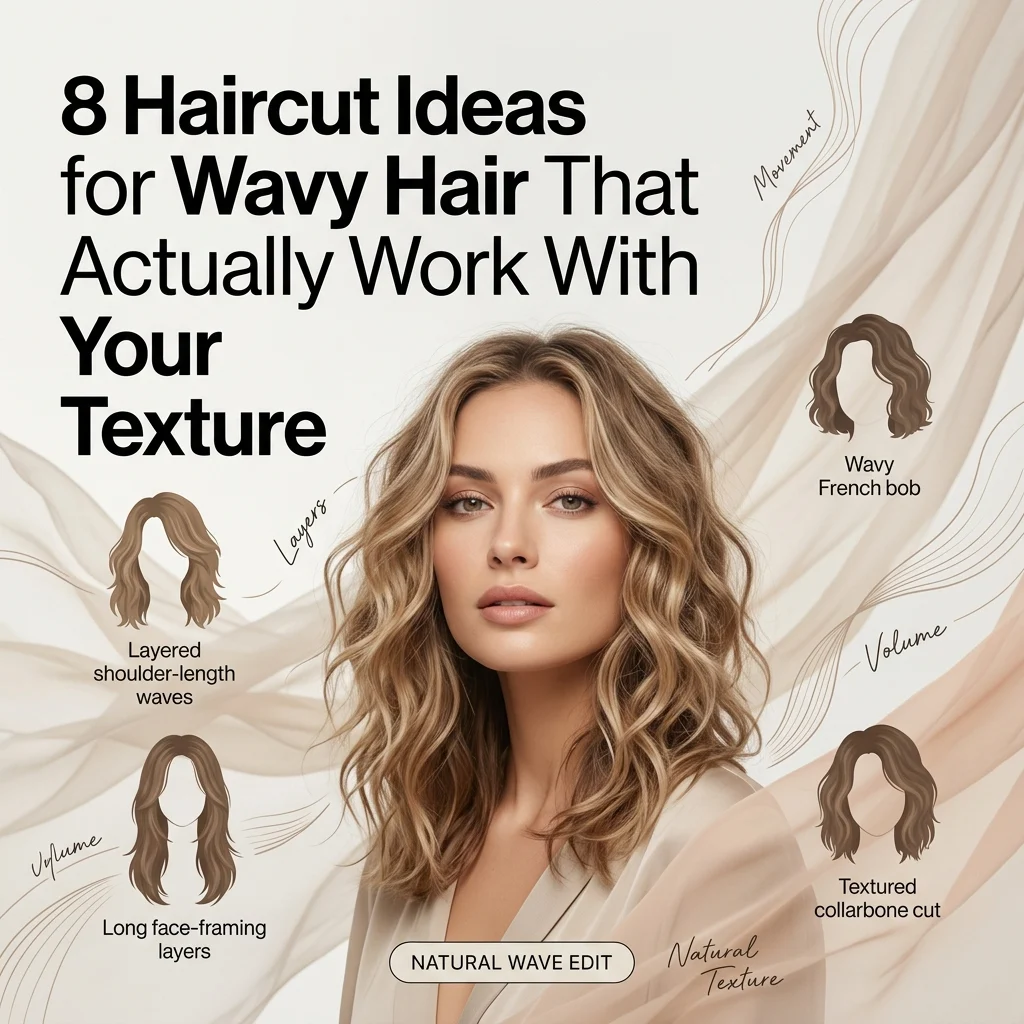
8 Haircut Ideas for Wavy Hair That Work With Your Texture

A haircut for wavy hair is a cutting approach built specifically around the S-shaped wave pattern, using layers and length to work with the hair’s natural bend instead of fighting it into straight lines. This article gives you 8 haircut ideas for wavy hair, from long layered cuts to short textured shapes, so you can find the exact one that suits your wave type and thickness.
It feels like your hair finally cooperating instead of resisting. Waves fall with rhythm, catching light differently at each bend. There is a natural ease to a cut that lets texture lead instead of forcing it flat. Here are 8 ideas worth saving and stealing.
Why Cutting for Wavy Hair Works So Well
What makes a wavy hair cut different from a straight hair cut? A wavy cut accounts for the S pattern’s natural shrinkage and movement, using layers placed at the exact points where waves bend, rather than the uniform layering used on straight hair. The cut has to anticipate how the wave will fall once dry, not just how it looks wet.
What haircut elements matter most for wavy texture? Long layers starting at the cheekbone or jaw, face framing pieces cut slightly shorter, and avoiding overly blunt ends are the core techniques. Waves need internal layering to release weight, since a heavy one length cut pulls the pattern out and flattens it.
Why are wavy specific cuts trending now? Search interest in “curly girl method haircuts” and “layers for wavy hair” has grown as more people embrace natural texture over daily straightening, a shift documented across Pinterest and salon booking trends toward texture forward cutting.
Does this work on fine wavy hair? Yes, though fine waves need lighter layering than thick waves to avoid looking stringy. Fine textured waves benefit most from a blunter perimeter with only internal layers, keeping the ends looking fuller rather than wispy.
Style at a Glance
| Element | Loose Waves (2A to 2B) | Thick Coarse Waves (2C to 3A) |
|---|---|---|
| Philosophy | Light layering to add movement | Heavy layering to remove bulk |
| Key Technique | Face framing layers, soft ends | Deep internal layers, point cutting |
| Best Length | Long to medium, past the shoulder | Shoulder length or shorter |
8 Haircut Ideas for Wavy Hair
1. Long Layered Cut for Loose Waves
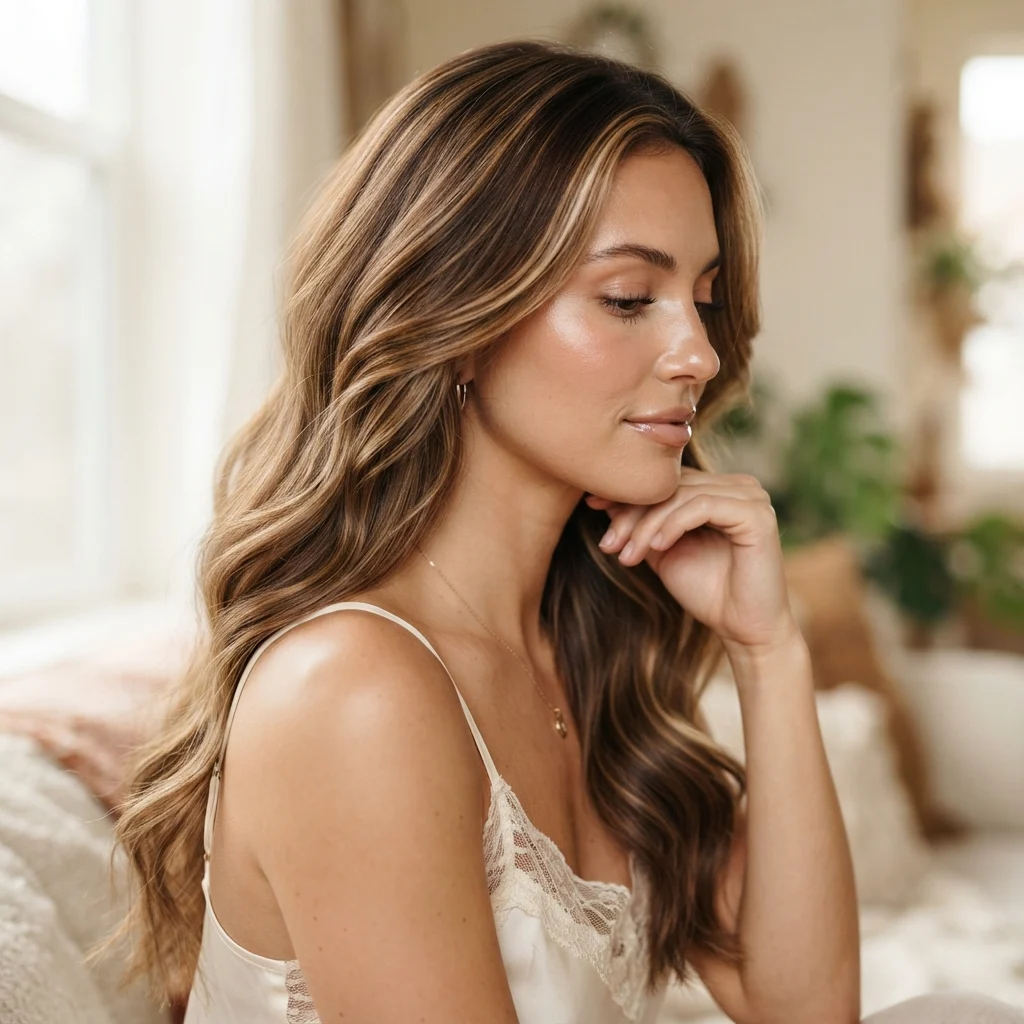
Vibe: Relaxed. This cut lets loose waves move freely without cutting away their length.
Why it works: Long layers starting below the chin release just enough weight to let the wave pattern show without shortening the overall length. Loose 2A to 2B waves need minimal thinning, since too much layering can make them look thin and separated.
How to get it: Ask for “long face framing layers starting at the collarbone, no heavy thinning shears.” Air dry with a lightweight curl cream to let the natural pattern set without added weight.
💡 Quick Win: Scrunching a small amount of curl cream upward from the ends while damp enhances the wave pattern without extra cutting.
Shop The Look
| Product |
|---|
| Lightweight curl defining cream for wavy hair |
| Wide tooth comb for gentle detangling |
| Microfiber towel for frizz free drying |
| Diffuser attachment for round barrel dryer |
| Leave in conditioner spray for wavy texture |
2. Curtain Bangs for Wavy Hair

Vibe: Soft. Bangs that move with the wave instead of sitting stiff against the forehead.
Why it works: Curtain bangs are cut longest at the center part and shorter toward the temples, a graduated shape that lets wavy texture blend the bangs into the rest of the hair rather than creating a separate straight section. The wave pattern does the styling work daily.
How to get it: Request “curtain bangs cut to cheekbone length, point cut ends for texture.” Part bangs down the center and let them air dry alongside the rest of the hair for a seamless blend.
Shop The Look
| Product |
|---|
| Small round brush for bang styling |
| Texturizing spray for soft bang movement |
| Flexible hold hairspray, non stiff finish |
| Fine tooth comb for precise bang parting |
| Heat protectant spray for occasional touch ups |
3. Shaggy Layered Wavy Bob

Vibe: Playful. A shorter cut that leans into texture rather than smoothing it out.
Why it works: Shaggy layering uses uneven, choppy cutting throughout the length rather than a single graduated line, which gives thick coarse waves somewhere to fall instead of ballooning outward. The irregular layers break up bulk at the exact points where waves tend to bunch.
How to get it: Ask for “shag layers cut with a razor for texture, heaviest thinning at the crown.” Style by scrunching with a texturizing spray, avoiding a brush that would smooth out the choppy shape.
💡 Quick Win: A texturizing spray applied to dry hair mid day revives the shaggy shape without a full restyle.
Shop The Look
| Product |
|---|
| Texturizing sea salt spray for shag styling |
| Sculpting paste for piece y ends |
| Wide tooth pick for gentle separation |
| Anti frizz serum for coarse wavy hair |
| Fabric scrunchie for low manipulation styling |
4. Face Framing Long Layers With a Deep Side Part
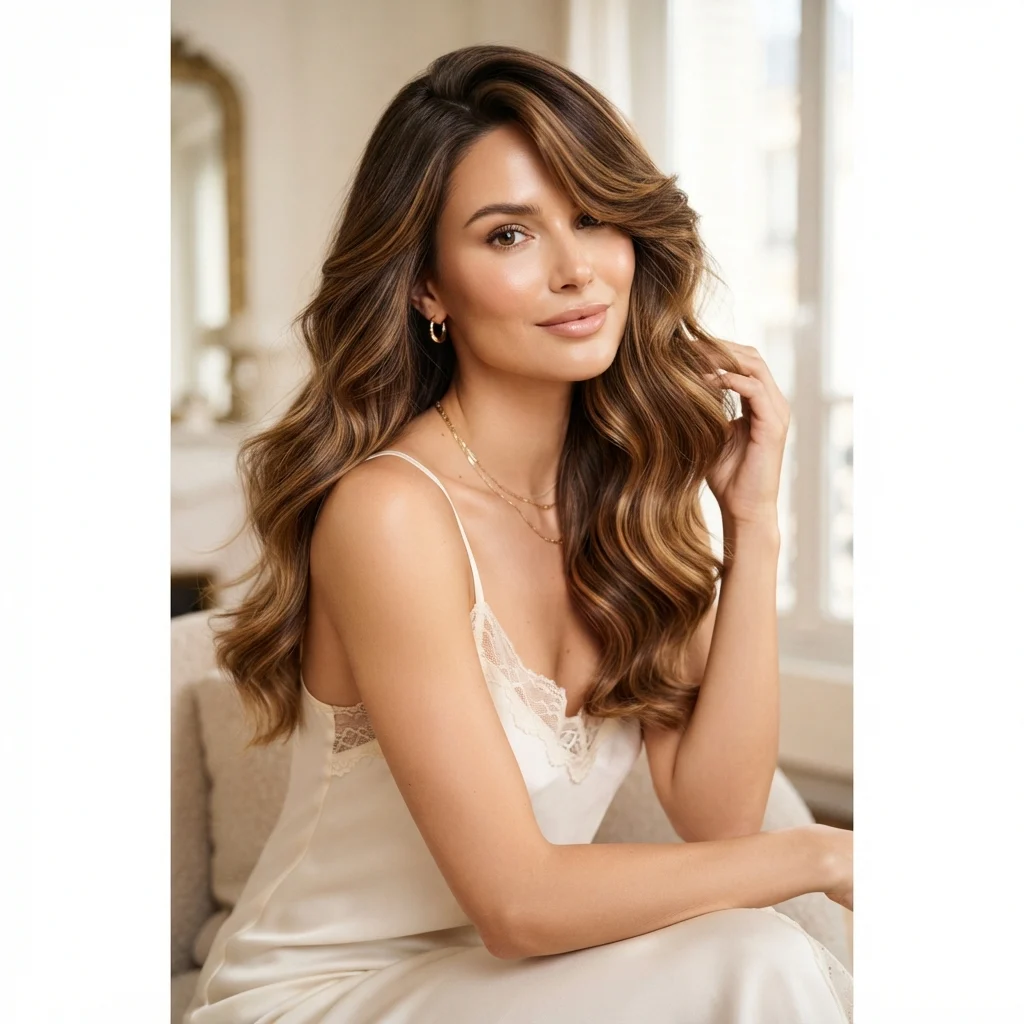
Vibe: Elegant. A proportion focused cut that uses parting as much as cutting to shape the face.
Why it works: Cutting the front pieces one to two inches longer than the back creates a face framing line that, combined with a deep side part, redistributes visual weight asymmetrically. This proportion technique works especially well on wavy hair since the bend adds natural volume on the heavier side.
How to get it: Ask for “face framing layers two inches longer at the front, cut to fall with a deep side part.” Train the part by combing hair the same direction daily for two to three weeks.
Shop The Look
| Product |
|---|
| Root lifting mousse for parted volume |
| Rat tail comb for precise deep parting |
| Flexible hold hairspray for all day hold |
| Cool shot hair dryer for root lift |
| Shine serum for face framing pieces |
5. Blunt Lob for Thick Coarse Waves

Vibe: Grounded. Thick waves carry enough natural volume that a blunt line reads intentional instead of heavy.
Why it works: Coarse 2C to 3A waves already have significant natural volume, so a blunt perimeter with only internal layering keeps the shape controlled rather than adding more bulk with external layers. The weight at the ends also helps elongate and calm the wave pattern.
How to get it: Request “blunt lob at collarbone length, internal layers only, no external point cutting.” Use a lightweight anti frizz cream rather than a heavy oil to avoid weighing down the blunt shape.
💡 Quick Win: A single clarifying wash every two weeks prevents product buildup from collapsing the blunt shape’s volume.
Shop The Look
| Product |
|---|
| Anti frizz cream for thick wavy hair |
| Clarifying shampoo for buildup removal |
| Wide tooth detangling comb |
| Diffuser attachment for defined drying |
| Silk pillowcase for reduced overnight frizz |
6. Wolf Cut for Textured Waves
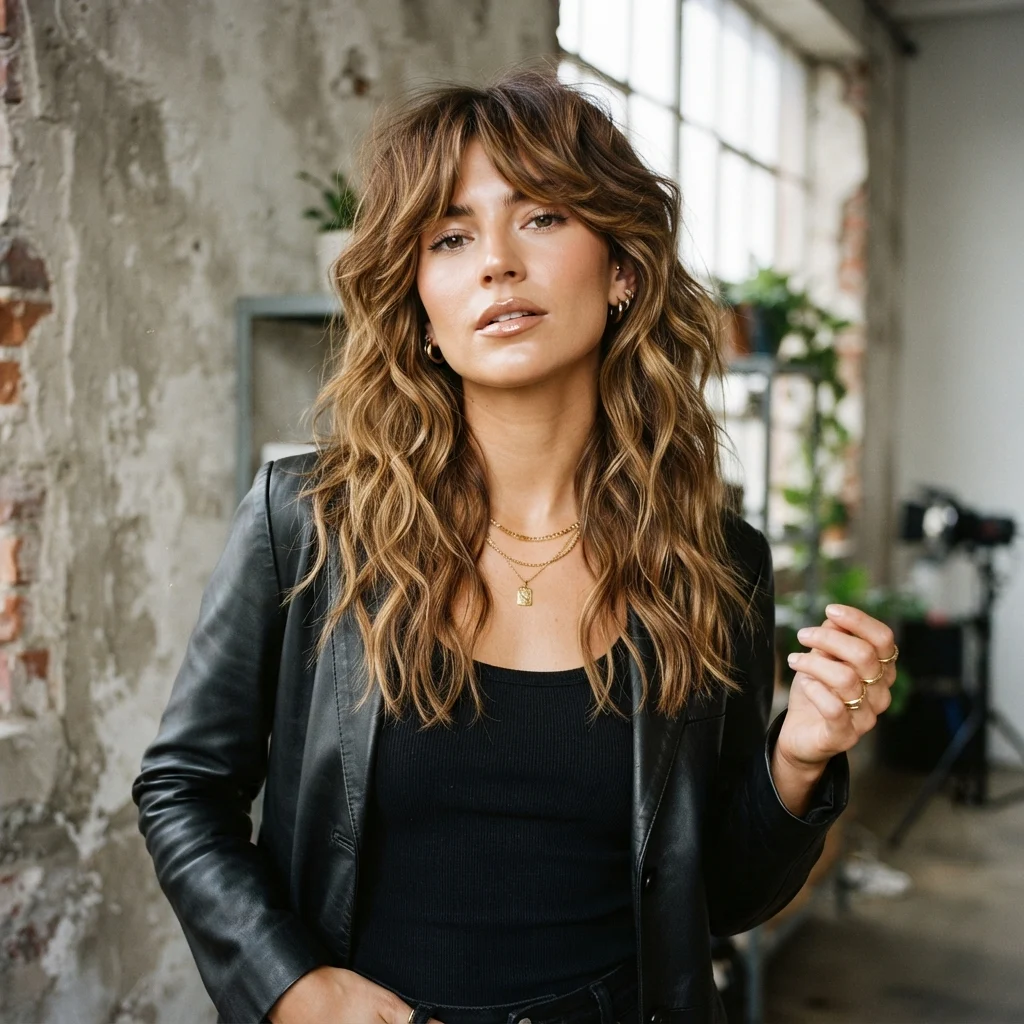
Vibe: Edgy. The boldest layering option, built to maximize texture and movement.
Why it works: A wolf cut combines short, heavily layered crown pieces with longer, choppier ends, using extreme layer variation as the design principle rather than the more gradual layering of a standard shag. Wavy texture amplifies the effect since the crown layers spring upward while the ends fall with weight.
How to get it: Ask for “wolf cut with heavy layering at the crown, razor cut ends for texture.” Style with a texturizing mousse applied at the roots for lift, then scrunch the ends for definition.
Shop The Look
| Product |
|---|
| Texturizing mousse for root lift |
| Sculpting gel for crown layer definition |
| Curl defining cream for choppy ends |
| Round brush for crown volume styling |
| Flexible hairspray for all day texture hold |
7. Short Textured Cut for Tighter Waves

Vibe: Crisp. Shorter length makes tighter wave patterns read clearly instead of getting weighed down.
Why it works: Tighter 2C waves shrink significantly as they dry, so a shorter cut accounts for that shrinkage upfront rather than leaving hair looking unexpectedly short after styling. The cropped layers also reduce the total weight pulling the curl pattern loose.
How to get it: Request “short layered cut with dry cutting for accurate shrinkage assessment.” Style by applying curl cream to soaking wet hair and diffusing on low heat to preserve the tight pattern.
💡 Quick Win: Dry cutting, where the stylist trims while hair is already curled, prevents the common mistake of cutting too short based on wet length.
Shop The Look
| Product |
|---|
| Curl defining gel for tight wave pattern |
| Diffuser attachment for low heat drying |
| Wide tooth comb for wet detangling only |
| Microfiber towel for plopping technique |
| Anti humidity spray for pattern hold |
8. Low Maintenance One Length Wavy Cut for Fine Hair
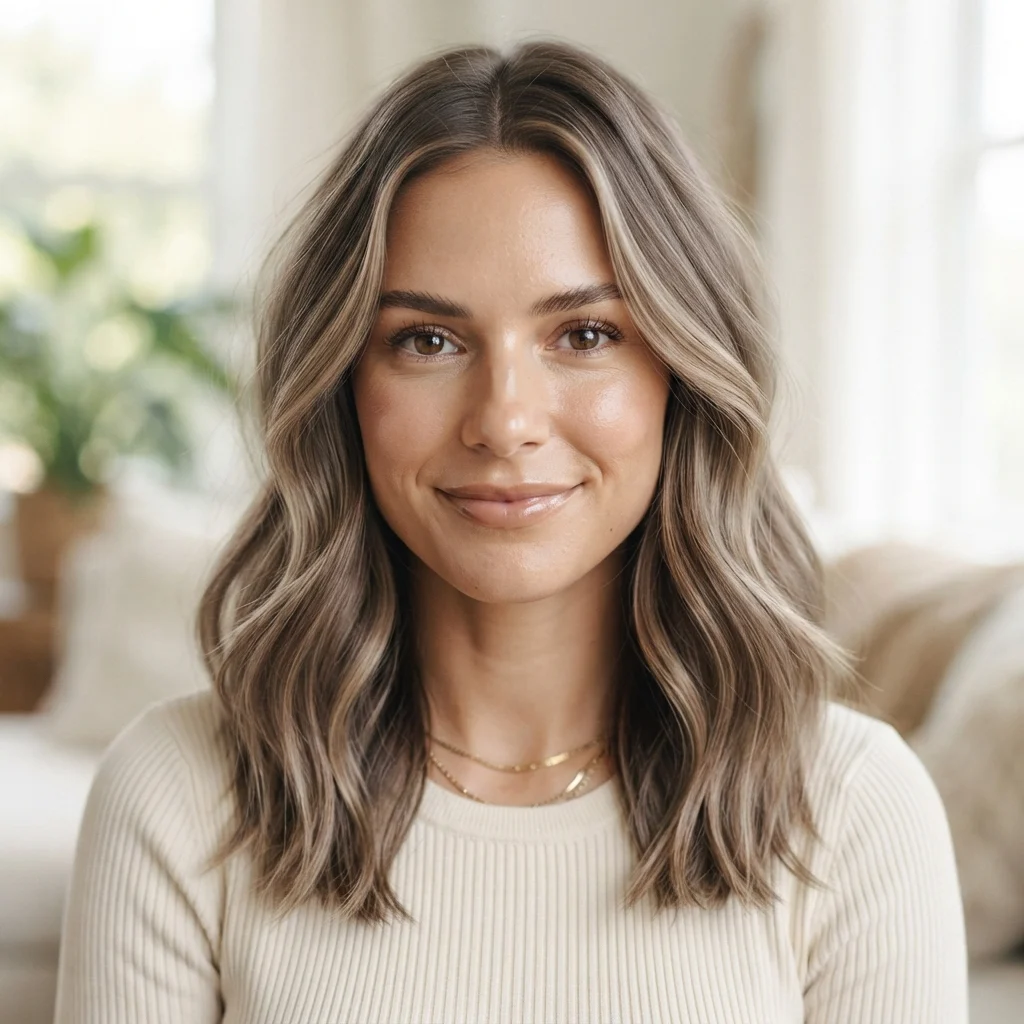
Vibe: Airy. A cut built specifically to protect fine hair from looking thin or stringy.
Why it works: Fine waves lose fullness quickly when layered too heavily, so keeping the perimeter close to one length preserves density while letting the natural wave provide texture on its own. This works within a real limitation rather than fighting it with excessive thinning.
How to get it: Ask for “one length cut with only light internal layers at the ends, no thinning shears.” Use a volumizing mousse at the roots only to avoid weighing down the fine strands.
Shop The Look
| Product |
|---|
| Volumizing mousse for fine wavy hair |
| Lightweight sea salt spray for texture |
| Fine tooth comb for gentle styling |
| Small round brush for root volume |
| Dry shampoo for added grip and lift |
How to Start Your Wavy Haircut Transformation
The single first move is booking a consultation where you specify your exact wave pattern, whether 2A, 2B, or 2C, since this single detail determines whether your stylist should layer heavily or keep the perimeter close to one length.
The most common mistake is over thinning fine or loose waves with heavy layering shears, which removes so much weight that the wave pattern collapses into frizz instead of defined shape. Fix it by asking specifically for internal layering only, not external thinning throughout.
Three items under 50 dollars that create immediate impact: a lightweight curl defining cream for damp styling, a microfiber towel for frizz free drying, and a diffuser attachment for your existing blow dryer.
A full cut and adjustment period takes one salon visit of 45 to 75 minutes, with hair typically needing two to three wash cycles to reveal how the new layers actually fall once your natural pattern settles in.
Frequently Asked Questions About Wavy Hair Haircuts
What is the best haircut for wavy hair?
The best haircut depends on your specific wave pattern and thickness, but long layers starting at the collarbone work well for most loose to medium waves, while a blunt lob suits thicker, coarser texture. Fine waves generally do best with a closer to one length cut and only light internal layering.
Should wavy hair be cut wet or dry?
Many stylists recommend a dry cut, or at least a dry check after an initial wet cut, since wavy and curly patterns shrink and shift shape as they dry. Dry cutting lets the stylist see exactly how each section will fall, preventing the common mistake of cutting too short based on wet length.
How much does a wavy specific haircut typically cost?
A standard cut with a stylist experienced in texture cutting runs 50 to 100 dollars at a mid range salon, while specialized curly or wavy cutting services can run 80 to 150 dollars. Maintenance trims every eight to ten weeks typically cost the same as the initial cut.
Do bangs work well with wavy hair?
Yes, curtain bangs specifically work well because their graduated shape blends into wavy texture rather than requiring a straight, styled section. Blunt straight across bangs are harder to maintain on wavy hair since they need daily flat ironing to stay distinct from the surrounding waves.
What is the biggest mistake people make cutting wavy hair at home?
The most common at home mistake is cutting hair while soaking wet without accounting for shrinkage, which often results in a much shorter finished look once the waves fully dry and spring up. Trimming small amounts at a time on dry, styled hair is safer for at home maintenance between salon visits.
Ready to Cut Your Wavy Hair the Right Way?
From long face framing layers to a low maintenance one length cut, these 8 ideas cover the layering techniques, lengths, and finishing details that shape how wavy hair actually falls day to day. You do not need to choose the boldest option first, starting with a cut that respects your current pattern is the right approach. Today, the one concrete step is booking a consultation and naming your specific wave type so your stylist can layer with intention instead of guessing. Once it is done, this is the kind of cut that lets your hair do what it already wants to do, no fighting the pattern, just working with it. Save your favorite shape now, before your next appointment, so you can walk in with the exact cut instead of trying to describe