How to Prevent Hair Breakage: 20 Tips That Actually Rebuild Strength

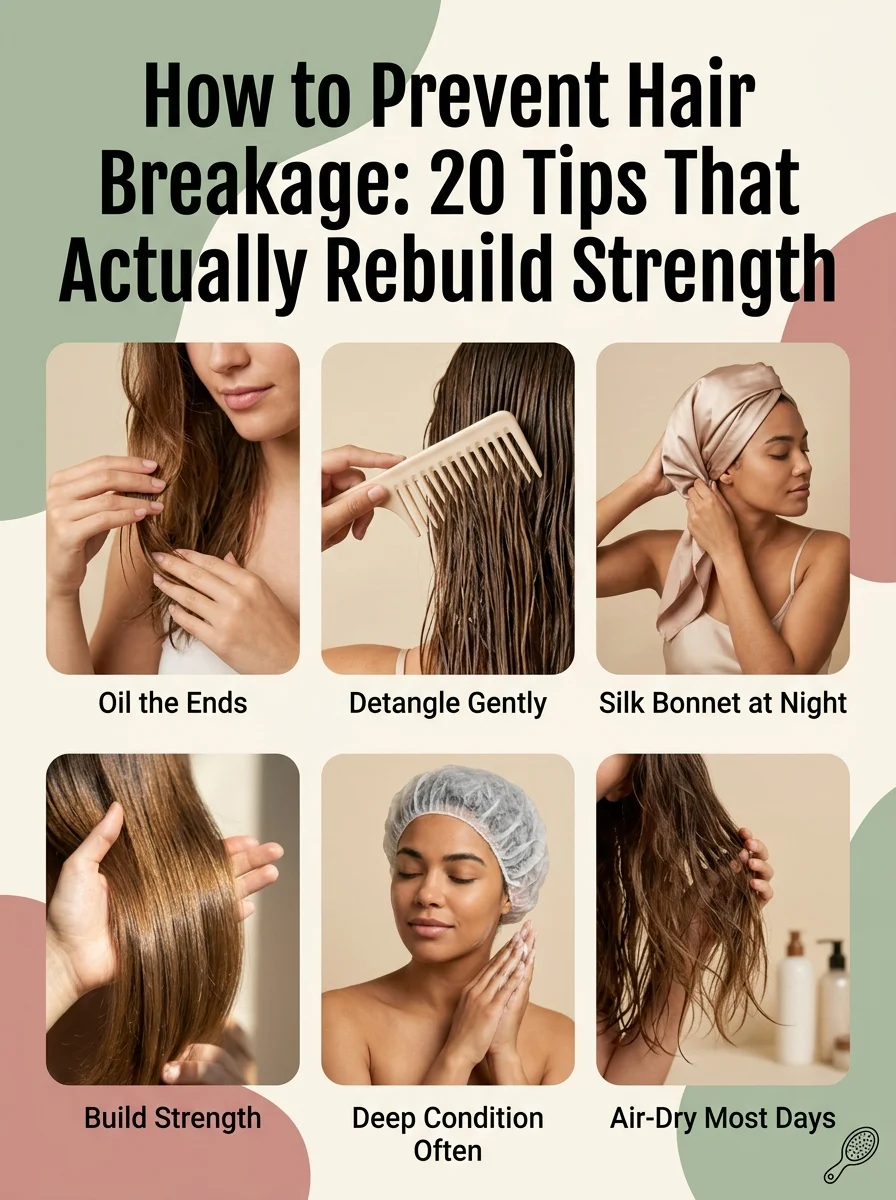
Hair breakage is structural damage to the hair shaft the cuticle wears thin, the internal protein bonds weaken, and the strand snaps mid-length instead of shedding naturally from the root. This guide gives you 20 tips to prevent hair breakage, covering products, handling techniques, heat habits, tools, and nutrition, so you can identify exactly where your routine is causing damage and fix it.
Healthy hair has a specific feel a kind of quiet resilience, where strands stretch slightly under tension instead of snapping, where ends stay blunt instead of fraying into wisps. It’s the difference between hair that moves with weight and hair that feels brittle and static. Preventing breakage isn’t about one miracle product; it’s about removing the small daily stresses that compound into structural damage over months. Here are 20 tips worth saving, and actually using.
Why Hair Breakage Happens (and How These Fixes Work)
Hair breakage occurs when the protein structure inside the hair shaft (primarily keratin, held together by disulfide bonds) is weakened faster than the body can replace it through natural growth. Unlike shedding, which is a root-level process tied to the hair’s growth cycle, breakage happens anywhere along the strand, most commonly at the fragile mid-shaft and ends where cuticle layers have thinned from years of friction, heat, and chemical exposure. This is why breakage often looks like uneven lengths, flyaways, and a “shrinking” ponytail rather than visible hair loss at the scalp.
The materials that actually rebuild and protect hair are specific: hydrolyzed keratin and hydrolyzed silk protein for structural repair, ceramides and fatty alcohols for sealing the cuticle, glycerin and panthenol for moisture retention, and lightweight oils like squalane or jojoba for slip and shine without buildup. On the handling side, the protective materials are just as material-specific: silk or satin (not cotton) for pillowcases and scrunchies, and boar bristle or wide-tooth horn combs instead of plastic-bristle brushes that snag the cuticle.
Interest in hair breakage prevention has surged alongside the broader “hair health over hairstyle” shift: driven by TikTok’s “hair science” community, a wave of consumers rejecting aggressive heat styling after pandemic-era at-home damage, and a general move toward slow, low-manipulation routines borrowed from curly and textured hair care communities, where breakage prevention has always been a primary concern rather than an afterthought.
Fine or fragile hair can absolutely reduce breakage, but the priorities shift: protein treatments should be used sparingly since fine hair overloads on protein easily and becomes stiffer and more brittle, while moisture-focused routines and consistent trims matter more.
| Element | Detail |
| Philosophy | Reduce mechanical and chemical stress faster than damage accumulates |
| Key Products | Hydrolyzed protein treatments, ceramide-based conditioners, lightweight sealing oils |
| Key Techniques | Low-manipulation detangling, reduced heat frequency, silk-based sleep protection |
20 Tips to Prevent Hair Breakage
1. Weekly Protein Treatment for Structural Repair
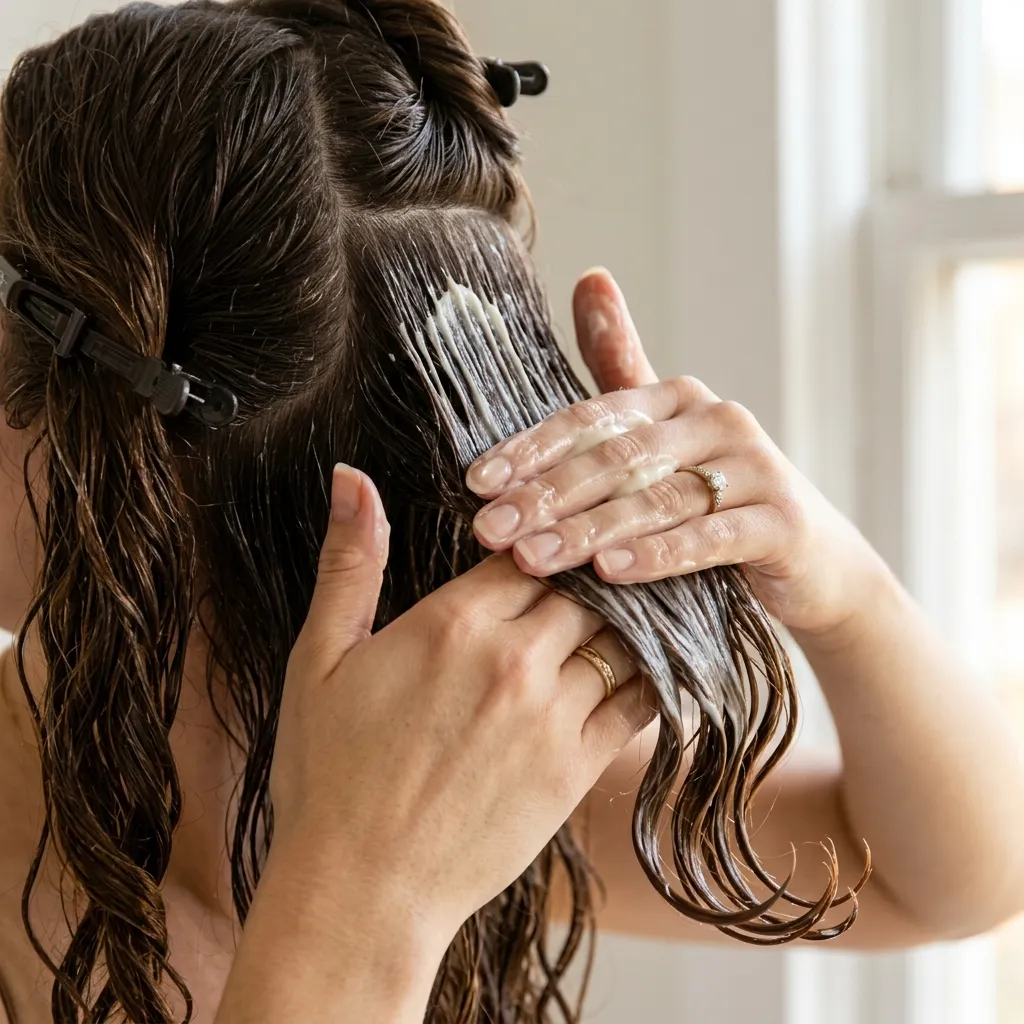
Vibe: Restorative.
Why it works: Breakage is fundamentally a protein deficiency at the structural level, so a hydrolyzed protein treatment temporarily fills gaps in the damaged cuticle and reinforces the hair’s internal bonds, giving strands measurable tensile strength for one to two weeks before it needs reapplying.
How to get it: Apply a hydrolyzed keratin or wheat protein treatment to clean, damp hair once weekly for fine to normal hair, or every 10–14 days for coarse or chemically treated hair, and always follow with a moisture-based conditioner to prevent stiffness.
Shop the Look
| Product | Why it fits |
| Hydrolyzed keratin protein hair mask | Rebuilds structural bonds in damaged strands |
| Wide-tooth detangling comb | Distributes protein treatment evenly without snapping |
| Plastic processing cap | Enhances treatment absorption with gentle heat |
| Moisture-based deep conditioner | Balances protein treatment to prevent stiffness |
| Digital kitchen timer | Prevents protein overload from over-processing |
2. Detangle From Ends to Roots, Never Roots Down
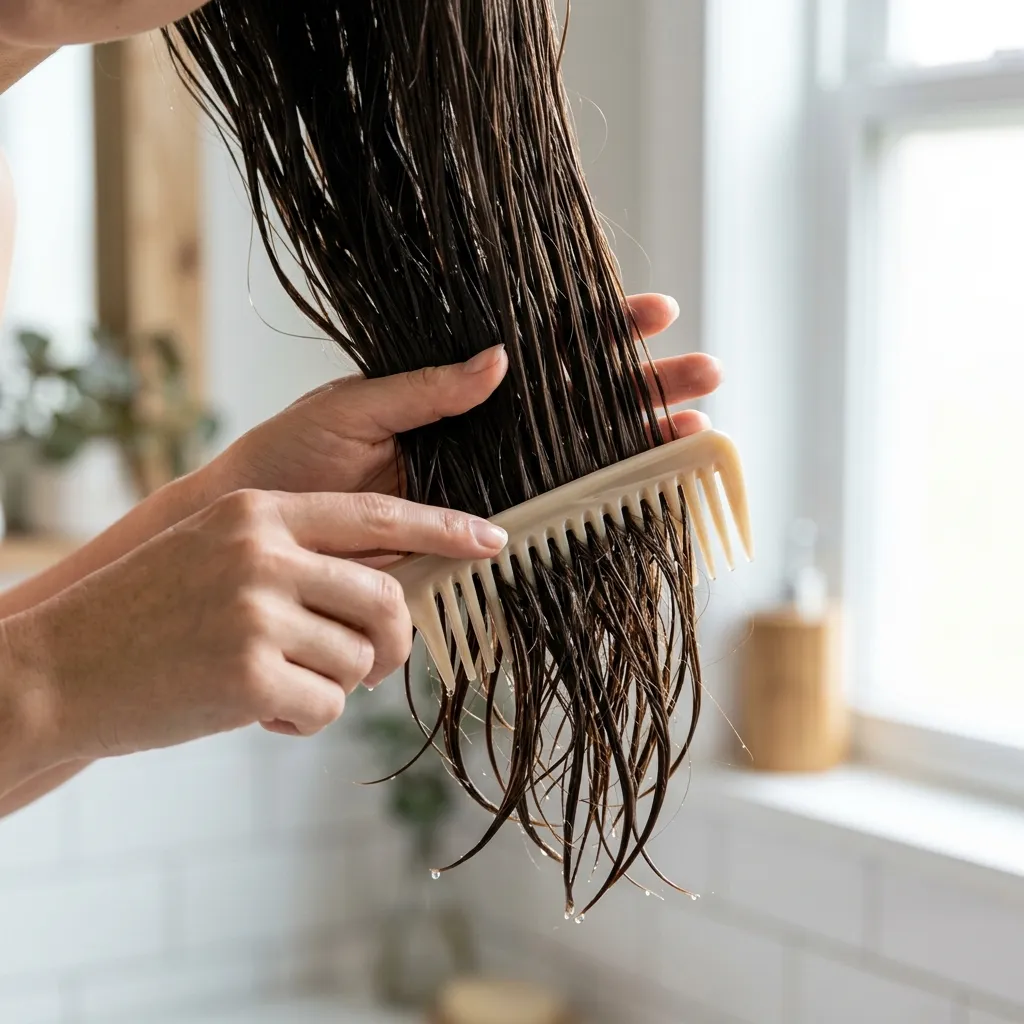
Vibe: Gentle.
Why it works: This is a tension-distribution principle: detangling from the roots downward forces every knot below to compress and tighten, concentrating stress at the weakest points, while working from the ends upward in small sections lets each knot release independently with minimal pull on the strand.
How to get it: Divide wet, conditioner-coated hair into four sections, and starting at the very bottom two inches of each section, work a wide-tooth comb upward in short strokes, only moving up once the current section is fully smooth.
💡 Quick Win: Apply a slippery leave-in conditioner or detangling spray before combing. Dry detangling is one of the single biggest causes of preventable breakage.
Shop the Look
| Product | Why it fits |
| Detangling spray, slip-enhancing formula | Reduces friction during sectioned detangling |
| Wide-tooth comb, seamless edges | Glides through knots without snagging cuticle |
| Hair sectioning clips, set of 6 | Isolates sections for controlled detangling |
| Leave-in conditioner, lightweight | Adds slip without weighing hair down |
| Spray bottle, fine mist | Re-wets dry patches during detangling |
3. Always Apply Heat Protectant Before Any Hot Tool
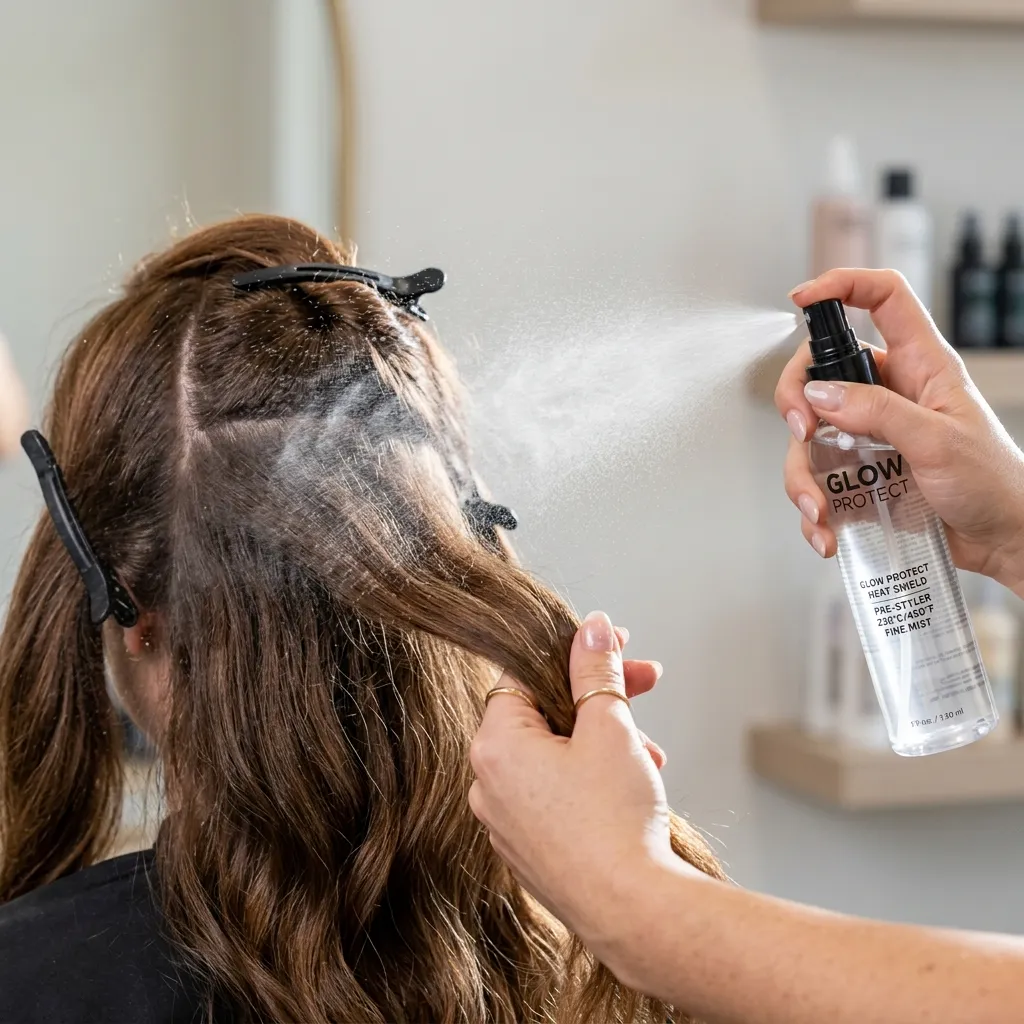
Vibe: Precise.
Why it works: Heat above 300°F causes the water inside the hair shaft to boil, creating internal bubbles that permanently weaken the cuticle this is a heat-behavior principle called hygral fatigue, and a heat protectant works by coating the shaft with silicones or polymers that raise the temperature threshold at which this damage begins.
How to get it: Apply heat protectant to towel-dried, not soaking-wet hair, section by section, and use a product containing dimethicone or cyclomethicone specifically, since these silicones have the highest documented heat-resistance threshold among common formulas.
Shop the Look
| Product | Why it fits |
| Heat protectant spray, dimethicone-based | Raises heat-damage threshold before styling |
| Ceramic flat iron with temperature display | Allows precise heat control to avoid overheating |
| Infrared hair dryer, adjustable heat settings | Reduces water-boiling damage during drying |
| Heat-resistant styling glove | Protects hands while confirming safe tool temperature |
| Ionic round brush | Reduces required heat exposure during blowouts |
4. Switch to a Boar Bristle Brush for Daily Brushing
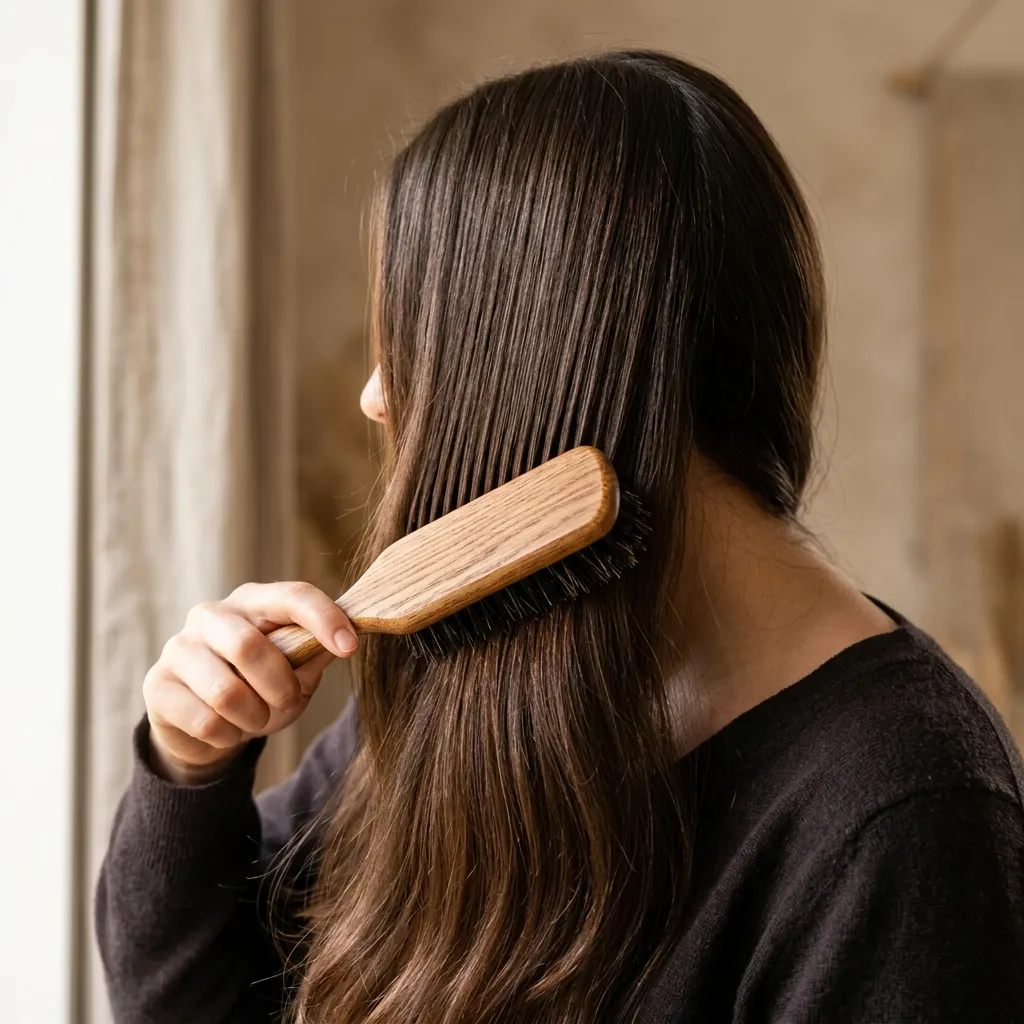
Vibe: Smooth.
Why it works: Boar bristles are solid and slightly flexible, distributing natural scalp oils down the hair shaft while creating far less surface friction than plastic bristles, which have microscopic seams and rough edges that catch and lift the cuticle with every stroke. A materials-science distinction that matters most on fine or damaged hair.
How to get it: Brush from mid-length to ends first to remove tangles, then switch to full-length strokes from root to tip, limiting brushing to twice daily maximum since over-brushing is itself a mechanical stressor regardless of tool quality.
Shop the Look
| Product | Why it fits |
| Boar bristle hairbrush, wooden handle | Distributes oils with minimal cuticle friction |
| Detangling brush with flexible nylon pins | Handles knots before the boar bristle pass |
| Brush cleaning tool | Removes buildup that reduces bristle effectiveness |
| Travel brush case | Protects bristles from bending during travel |
| Scalp massage brush, silicone | Prepares hair for brushing by loosening debris |
5. Increase Biotin and Protein Intake for Stronger Strands

Vibe: Nourishing.
Why it works: Hair is built almost entirely of keratin protein, so inadequate dietary protein or key micronutrients like biotin, zinc, and iron directly limit the strength of new hair growth at the follicle this is a supply-chain principle: no external product can fully compensate for a structural deficiency at the source.
How to get it: Prioritize whole-food protein sources (eggs, salmon, Greek yogurt) at 20–30 grams per meal, and if bloodwork shows a deficiency, add a biotin or iron supplement under a doctor’s guidance rather than assuming supplementation without testing.
Shop the Look
| Product | Why it fits |
| Biotin supplement, 5000mcg | Supports keratin production at the follicle |
| Collagen peptide powder, unflavored | Adds bioavailable protein for hair structure |
| Iron supplement, gentle formula | Addresses common deficiency linked to hair thinning |
| Omega-3 fish oil capsules | Supports scalp and follicle health |
| Reusable water bottle, large capacity | Encourages hydration that supports strand elasticity |
6. Weekly Deep Conditioning Hair Mask
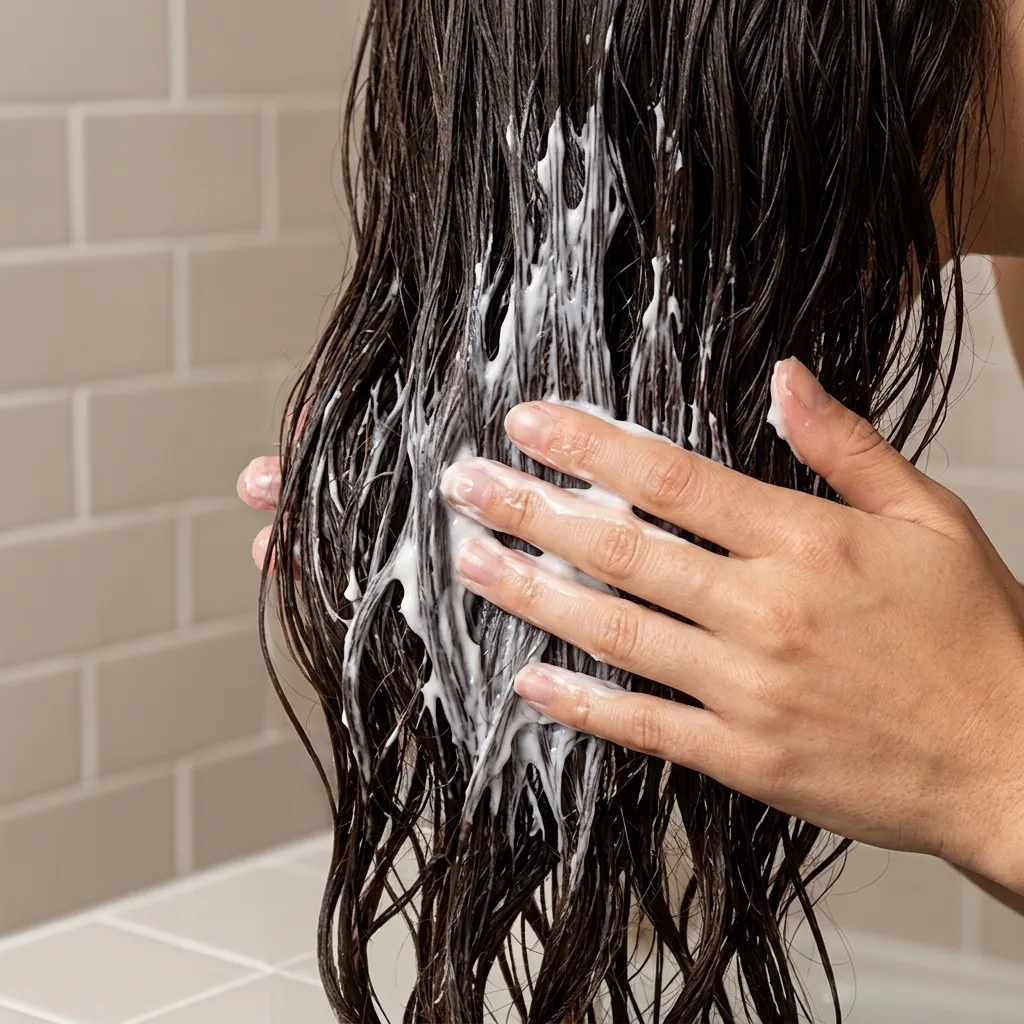
Vibe: Rich.
Why it works: Moisture and protein work as a balance, not a single fix a deep conditioning mask rich in fatty alcohols and humectants replenishes the moisture that protein treatments and heat styling deplete, preventing the brittleness that occurs when hair has structural strength but no flexibility.
How to get it: Apply a moisture-focused mask (look for shea butter, glycerin, or hyaluronic acid as leading ingredients) to mid-lengths and ends only, leave for 15–20 minutes under a warm towel, and alternate weekly with protein treatments rather than layering both in the same session.
Shop the Look
| Product | Why it fits |
| Deep conditioning mask, shea butter based | Replenishes moisture depleted by heat and protein |
| Microfiber hair turban | Retains warmth to enhance mask absorption |
| Wide-tooth comb for mask distribution | Spreads product evenly without breakage |
| Shower comb, heat-resistant | Detangles under running water during rinse-out |
| Hooded dryer attachment, at-home | Adds gentle heat for deeper mask penetration |
7. Reduce Wash Frequency to Prevent Over-Manipulation
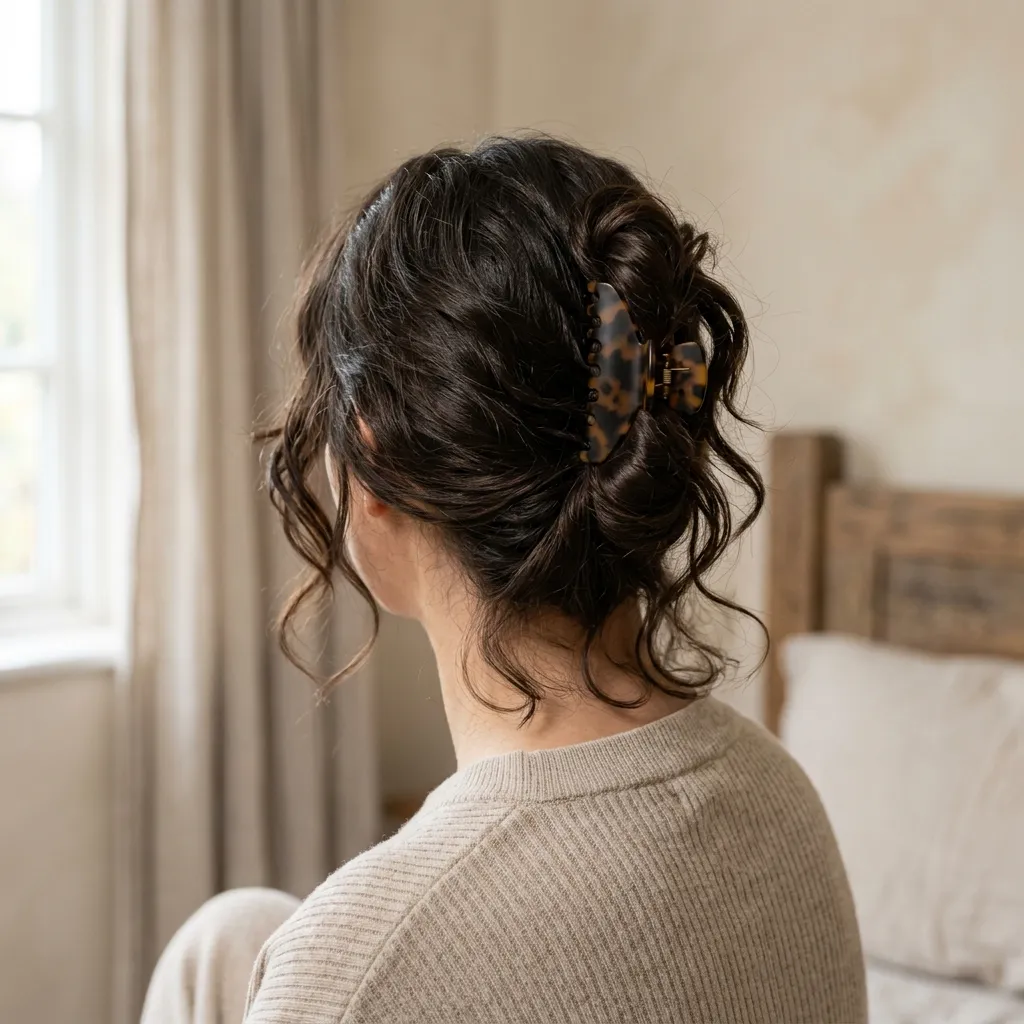
Vibe: Relaxed.
Why it works: Every wash cycle involves wet detangling, shampoo friction, and often heat styling, each a separate mechanical stress event, so reducing wash frequency directly reduces the total number of manipulation events per week, which is a cumulative-exposure principle rather than a cleanliness one.
How to get it: Extend washing from daily to every second or third day using a dry shampoo with rice starch or kaolin clay to absorb oil at the roots, reserving full wash days for when hair genuinely needs it rather than on a fixed daily schedule.
💡 Quick Win: Apply dry shampoo the night before, not the morning of, so it has time to fully absorb oil rather than sitting visibly on the roots.
Shop the Look
| Product | Why it fits |
| Dry shampoo, rice starch formula | Extends time between wash-day manipulation |
| Silk-lined claw clip, large | Holds hair up without creasing or snapping strands |
| Root touch-up powder | Refreshes roots between washes |
| Scalp massaging tool | Redistributes oil without a full wash |
| Boar bristle brush | Spreads natural oils to extend freshness |
8. Build a Weekly Hair Care Schedule Around Breakage Prevention
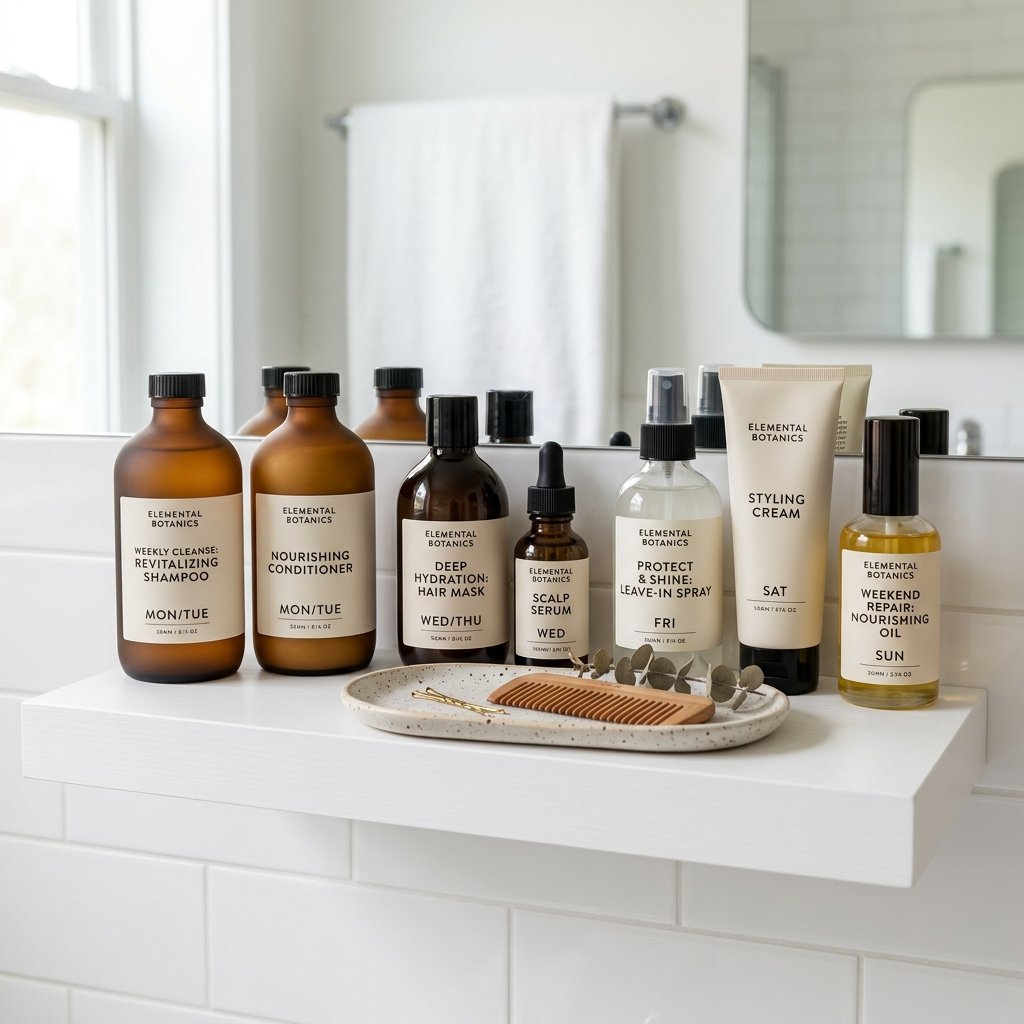
Vibe: Organized.
Why it works: Breakage prevention fails most often not from a lack of good products but from inconsistent, reactive use a structured weekly rotation (protein one day, moisture another, minimal manipulation on rest days) is a layout principle applied to a routine rather than a room, distributing stress and repair across the week instead of concentrating either damage or treatment.
How to get it: Map a simple seven-day rotation: two low-manipulation days, one protein treatment day, one deep conditioning day, and reserve heat styling for no more than two to three days per week, adjusting the ratio toward more moisture days if hair feels stiff.
Shop the Look
| Product | Why it fits |
| Weekly hair care planner notepad | Tracks treatment rotation and progress |
| Labeled storage bins for bathroom shelf | Organizes products by day-of-week use |
| Multi-compartment product organizer | Separates protein, moisture, and styling products |
| Small chalkboard label set | Marks bottles for quick identification |
| Hanging shower caddy, mesh | Keeps rotation products accessible and dry |
9. Leave-In Conditioner Sealed with a Lightweight Oil
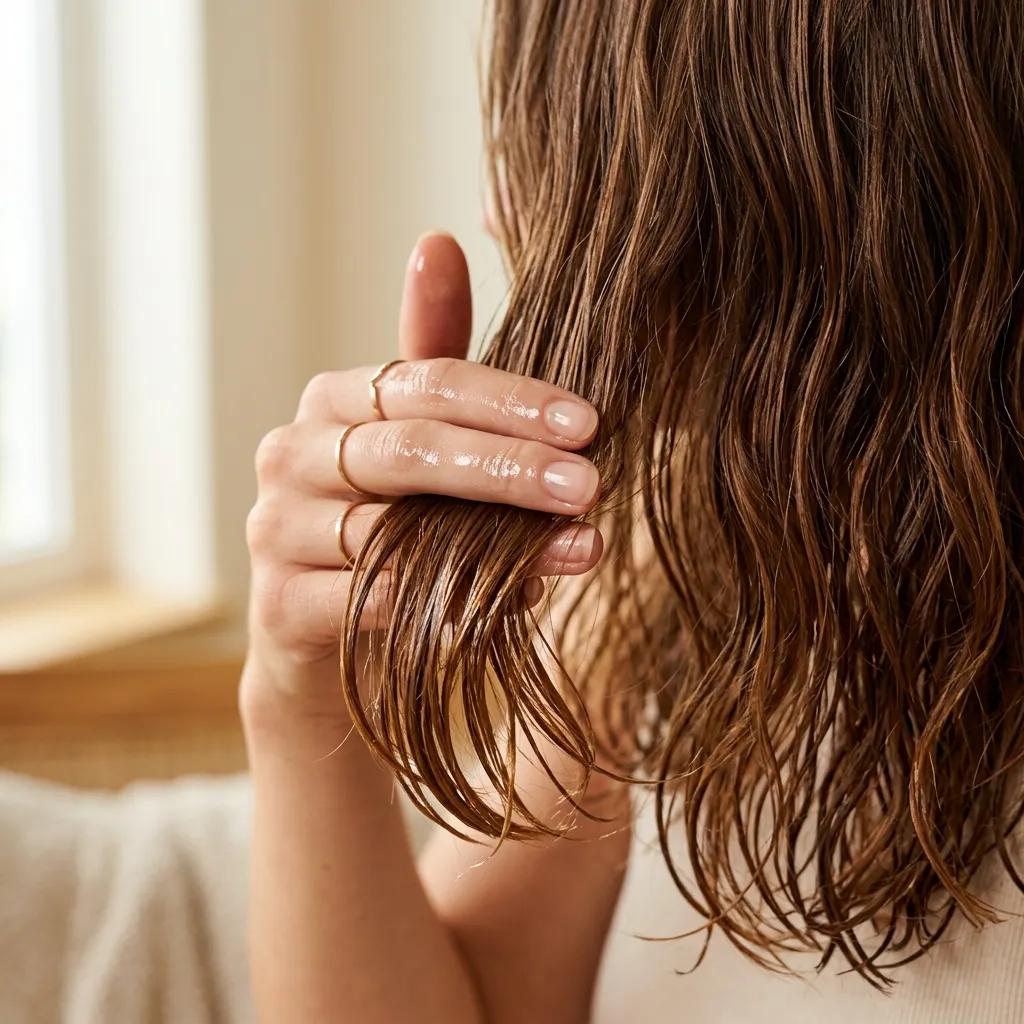
Vibe: Glossy.
Why it works: This uses the LOC method’s core principle liquid, oil, cream, or in this simplified case, leave-in then oil where the leave-in conditioner delivers water-based moisture into the cuticle and the oil layer seals it in, slowing the moisture evaporation that leaves ends dry, porous, and prone to snapping.
How to get it: Apply a lightweight leave-in conditioner to damp hair, focusing on mid-lengths and ends, then seal with two to three drops of squalane or jojoba oil rubbed between palms and smoothed downward only, never applied to the roots where it can cause buildup.
Shop the Look
| Product | Why it fits |
| Leave-in conditioner, lightweight formula | Delivers moisture without weighing hair down |
| Squalane hair oil, lightweight | Seals moisture at the ends without buildup |
| Small glass dropper bottle | Controls precise oil application amount |
| Wide-tooth comb for product distribution | Spreads leave-in evenly through lengths |
| Satin hair wrap | Preserves sealed moisture overnight |
10. Lower Your Blow Dryer and Flat Iron Temperature
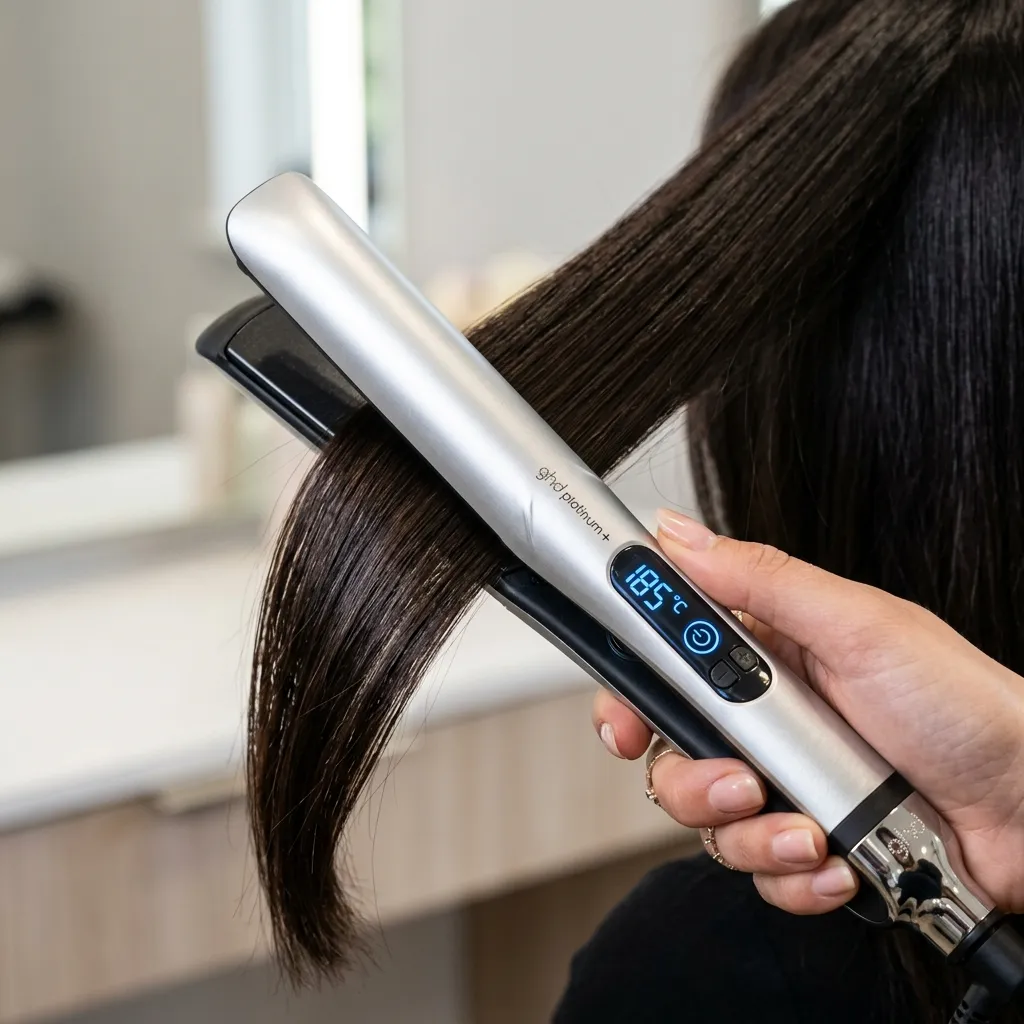
Vibe: Controlled.
Why it works: Heat damage accumulates on a threshold curve rather than linearly fine hair sustains measurable protein damage above 300°F, while coarse or chemically virgin hair can tolerate slightly higher temperatures, so matching tool temperature to hair type specifically prevents damage rather than styling more effectively.
How to get it: Set flat irons to 300–320°F for fine or color-treated hair and no higher than 350–380°F for coarse, unprocessed hair, and always pass the tool through each section only once at a slow, steady speed rather than repeating passes at a lower setting.
Shop the Look
| Product | Why it fits |
| Flat iron with digital temperature control | Enables precise, hair-type-matched heat settings |
| Titanium flat iron plates | Distributes heat evenly to reduce hot spots |
| Heat-resistant styling mat | Protects surfaces during temperature-controlled styling |
| Sectioning clips, heat-safe | Isolates sections for single-pass styling |
| Cooling finishing spray | Sets style while sealing in lower-heat results |
11. Switch to the Plopping Method for Curly and Wavy Hair
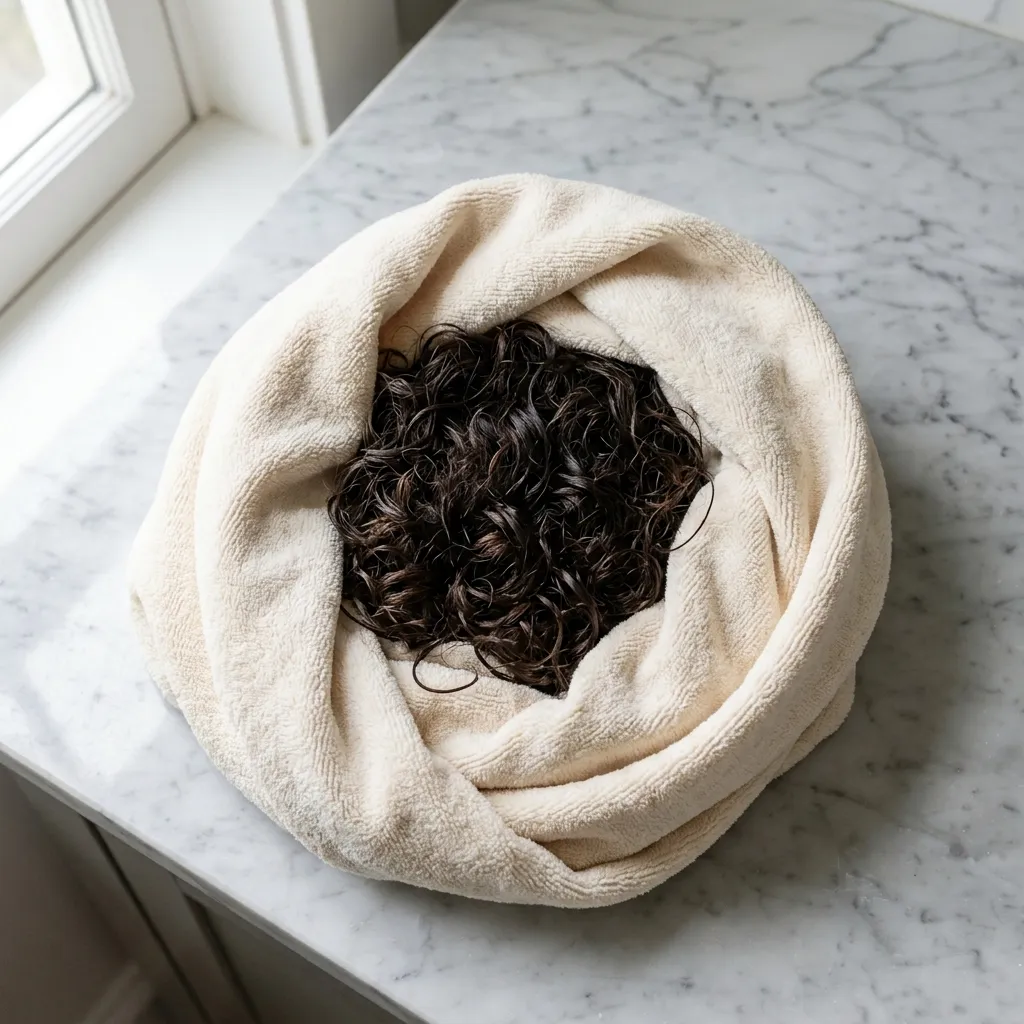
Vibe: Gentle.
Why it works: Traditional towel-drying with terry cloth uses rough, looped fibers that catch on the raised cuticle of wet hair, while plopping gathering wet hair into a flat fabric without rubbing removes excess water through gentle absorption rather than friction, which is a texture-based principle specific to curl patterns most prone to friction damage.
How to get it: Apply leave-in product to soaking wet hair, flip hair forward, lay it into the center of a microfiber towel or cotton t-shirt, and fold the fabric up and over to secure for 10–15 minutes before releasing curls gently.
Shop the Look
| Product | Why it fits |
| Microfiber plopping towel | Absorbs water without friction damage |
| Curl-defining leave-in cream | Prepares curls before the plopping method |
| Cotton t-shirt style hair wrap | Alternative low-friction drying fabric |
| Diffuser attachment for blow dryer | Finishes drying without disturbing curl clumps |
| Curl-refreshing spray | Revives plopped curls on day two |
12. Sleep on a Silk or Satin Pillowcase
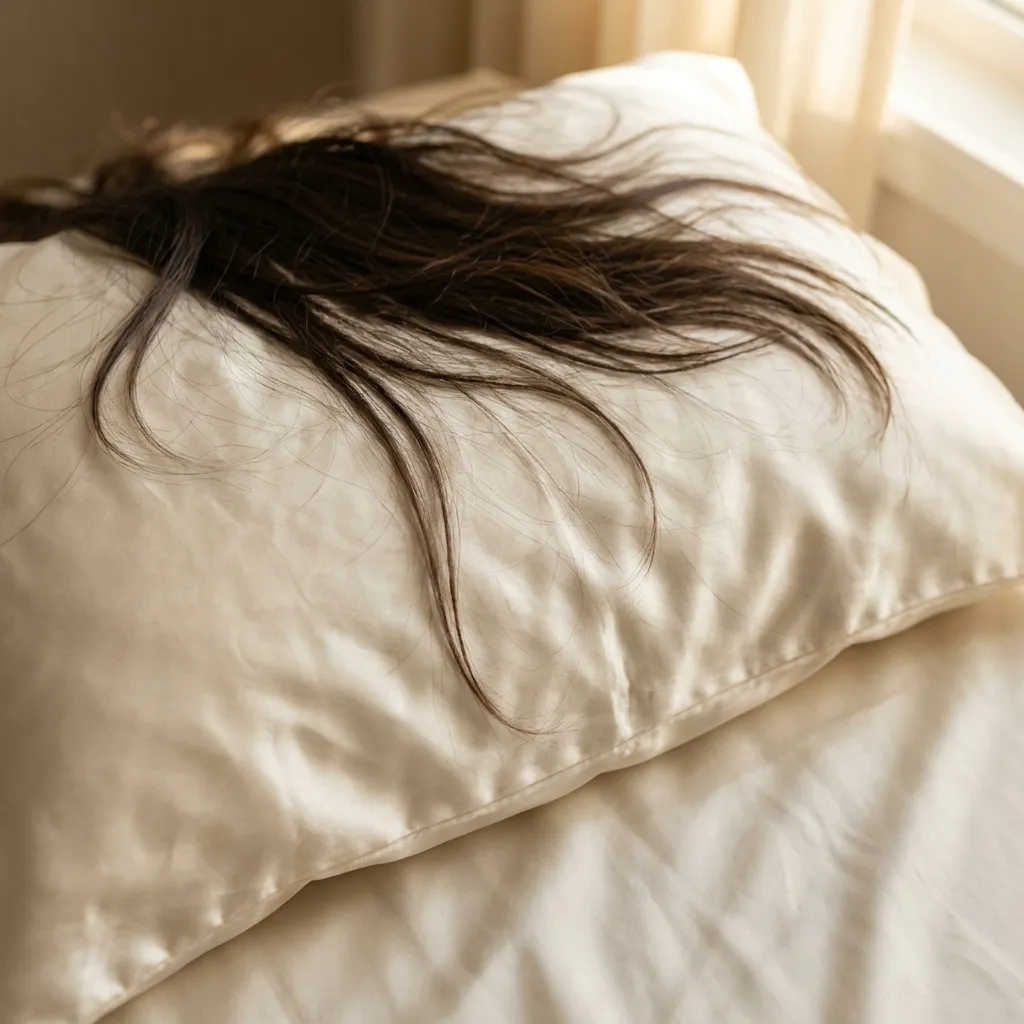
Vibe: Hushed.
Why it works: Cotton fibers are rough and absorbent, pulling moisture from hair overnight while creating enough surface friction over seven to eight hours of movement to cause measurable cuticle wear silk and satin are smooth, low-friction, and non-absorbent, which is a materials principle that makes this one of the highest-impact, lowest-effort breakage prevention changes available.
How to get it: Replace cotton pillowcases with 100% mulberry silk or satin polyester at a minimum 19-momme weight for silk, and pair with a loose silk scrunchie for a low, loose braid or bun rather than sleeping with hair completely loose and tangling.
Shop the Look
| Product | Why it fits |
| Mulberry silk pillowcase, 19 momme | Reduces overnight friction and moisture loss |
| Satin scrunchie set | Secures hair loosely without crease damage |
| Silk sleep bonnet | Full protection for curly or textured hair overnight |
| Silk hair wrap scarf | Alternative overnight protection style |
| Satin-lined sleep cap | Budget-friendly friction protection option |
13. Stay Hydrated and Watch for Iron Deficiency Signs
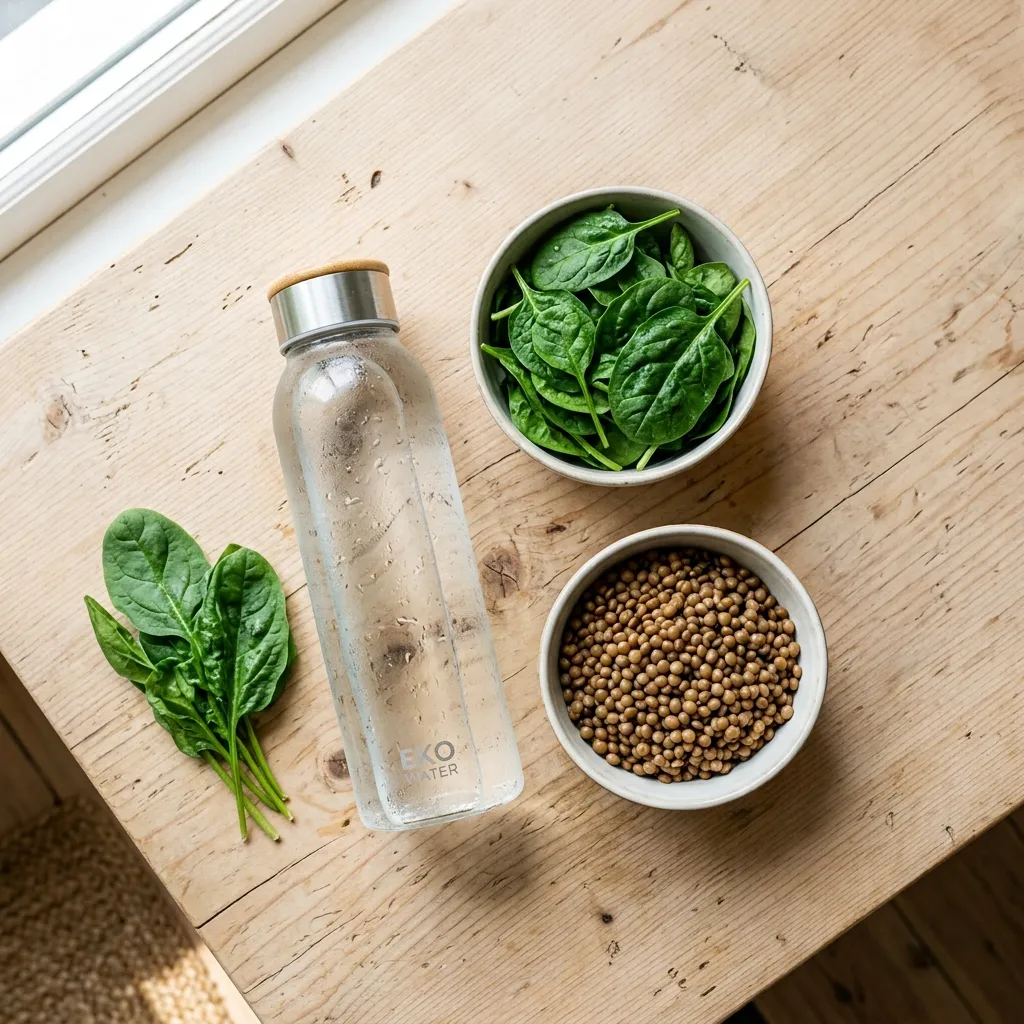
Vibe: Clean.
Why it works: The hair shaft itself is roughly one-quarter water by weight, and adequate internal hydration affects elasticity how much a strand can stretch before it snaps while iron deficiency specifically has a well-documented link to increased hair shedding and reduced strand diameter, both of which increase visible breakage.
How to get it: Aim for consistent daily water intake rather than large sporadic amounts, and if you notice unusual fatigue alongside increased breakage, request a ferritin (iron storage) blood test from a doctor rather than self-diagnosing from hair symptoms alone.
Shop the Look
| Product | Why it fits |
| Large reusable water bottle with time markers | Encourages consistent daily hydration |
| Iron-rich electrolyte powder | Supports hydration alongside iron intake |
| Ferritin at-home test kit | Screens for deficiency before supplementing |
| Hydrating hair mist, glycerin based | Supports internal hydration with topical moisture |
| Humidifier for bedroom | Prevents overnight moisture loss from dry air |
14. Bond-Building Treatment for Chemically Treated Hair
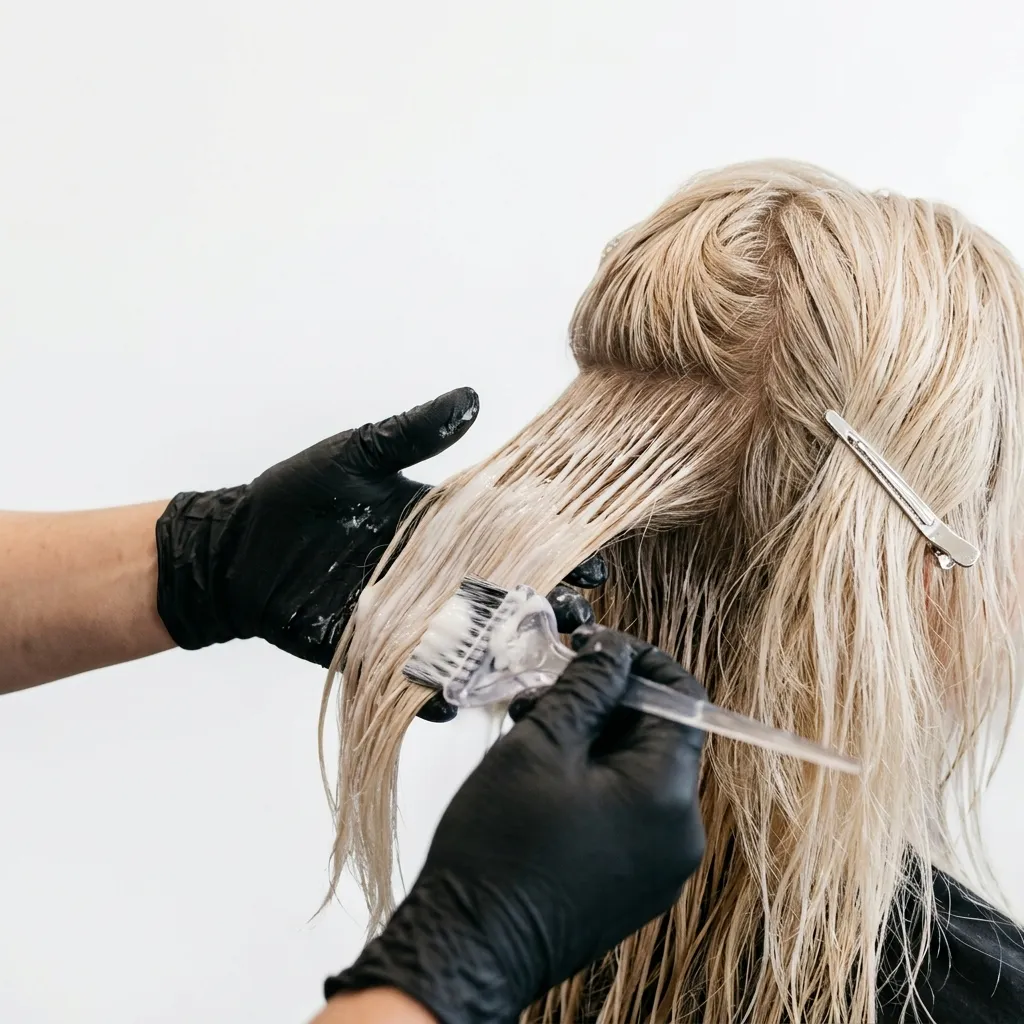
Vibe: Restorative.
Why it works: Chemical processes like bleaching and perming break the disulfide bonds that give hair its structural integrity, and standard protein treatments coat the surface rather than rebuilding these specific internal bonds bond-building treatments containing maleic acid or bis-aminopropyl diglycol dimaleate work at the molecular level to reform some of these broken bonds directly.
How to get it: Use an at-home bond-building treatment (labeled specifically as “bond repair” rather than general protein) once weekly for the first month after a chemical service, then reduce to biweekly maintenance, always following the product’s specific timing since over-processing bond treatments can cause their own stiffness.
Shop the Look
| Product | Why it fits |
| At-home bond repair treatment | Rebuilds broken bonds from chemical processing |
| Sulfate-free shampoo for color-treated hair | Prevents further stripping of repaired bonds |
| Purple or blue toning conditioner | Maintains tone while bond treatment repairs structure |
| Silicone-free hair serum | Adds shine without interfering with bond repair |
| Wide-tooth comb for post-treatment detangling | Prevents disrupting freshly treated strands |
15. Protective Styling for Travel, Gym, and Sleep

Vibe: Practical.
Why it works: High-friction, high-movement situations gym sessions, flights, overnight travel multiply the number of times hair rubs against fabric or itself, so a loose protective style is a small-space adaptation principle applied to time rather than square footage: it minimizes exposure during the specific windows when friction damage accumulates fastest.
How to get it: Use a loose three-strand braid or low bun secured with a silk-covered elastic (never a bare rubber band) for workouts and travel, and avoid tight ponytails positioned at the same spot daily, which causes traction breakage at a fixed point on the scalp.
Shop the Look
| Product | Why it fits |
| Silk-covered hair elastics, set | Secures protective styles without snagging |
| Compact travel detangling brush | Portable care for on-the-go touch-ups |
| Silk scarf for travel hair wrapping | Protects style during flights or long trips |
| Sweat-wicking headband | Reduces friction during workouts |
| Small travel-size leave-in spray | Refreshes hair mid-day without a full routine |
16. Trim Split Ends Every 8–10 Weeks
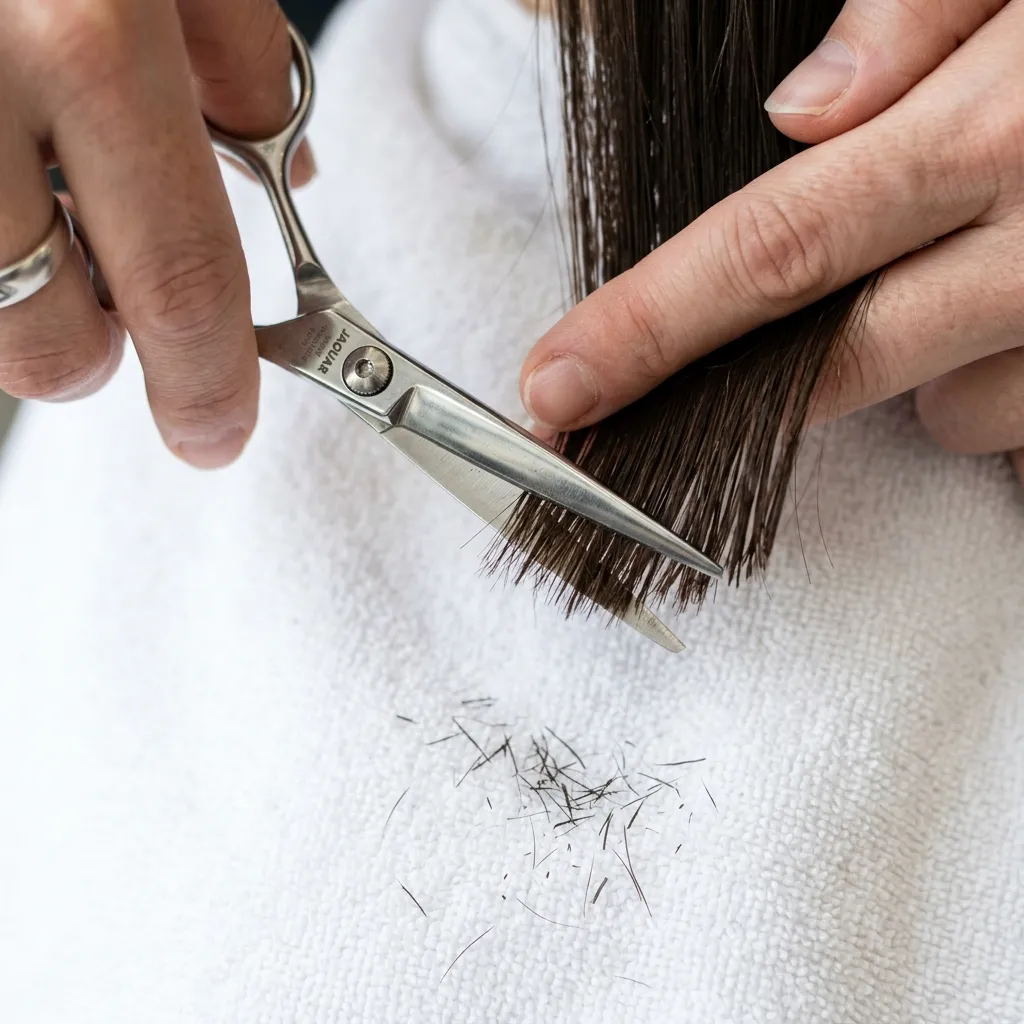
Vibe: Precise.
Why it works: A split end is a structural failure point that, left uncut, continues splitting upward along the hair shaft this is a propagation principle, not a cosmetic one, meaning that skipping trims doesn’t just leave existing damage in place, it actively allows breakage to travel further up each strand over time.
How to get it: Schedule trims every 8–10 weeks for chemically treated or heat-styled hair, or every 12–14 weeks for hair with minimal processing, and request a “dusting” (removing only a quarter-inch) rather than a full trim if length retention is the priority.
💡 Quick Win: Between salon visits, use a split-end sealing serum containing silicone to temporarily bind split ends and slow their upward progression.
Shop the Look
| Product | Why it fits |
| Professional hair cutting shears | Enables clean at-home dusting between salon visits |
| Split-end sealing serum | Temporarily binds splits to slow damage progression |
| Sectioning clips for trimming | Isolates clean sections for precise cuts |
| Hair trim tracking calendar | Keeps trims on an 8–10 week schedule |
| Fine-mist water spray bottle | Dampens hair for accurate trim length assessment |
17. Air-Dry 80% of the Way Before Using Hot Tools
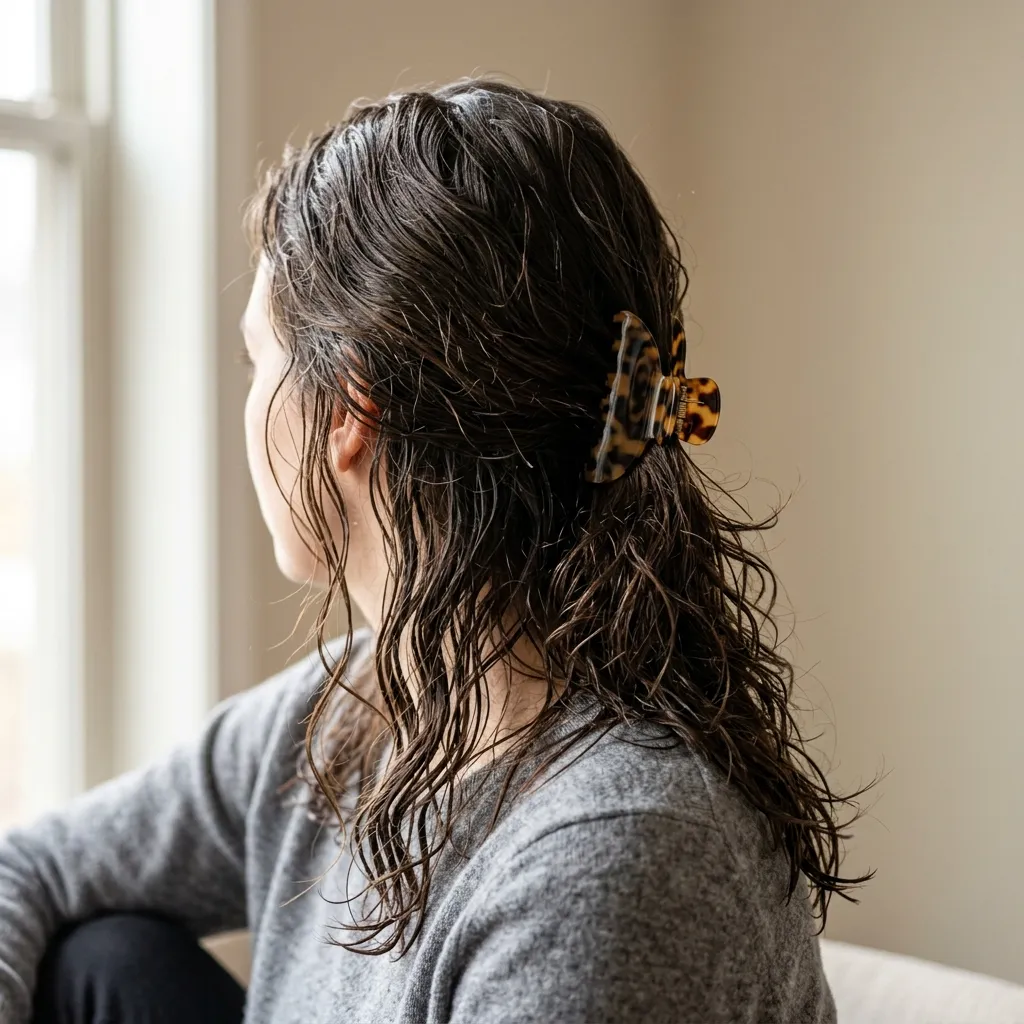
Vibe: Unhurried.
Why it works: Styling fully wet hair with heat tools forces the dryer or iron to do double duty, evaporating water and shaping the strand simultaneously, which extends direct heat exposure time significantly; air-drying to roughly 80% first means the tool only needs to finish drying and shaping, cutting total heat exposure time substantially.
How to get it: After towel-drying with a microfiber towel, let hair air-dry uncovered for 20–40 minutes (longer for thick or coarse hair) before sectioning and using a blow dryer or flat iron, checking that hair feels only slightly damp rather than wet before applying heat.
Shop the Look
| Product | Why it fits |
| Microfiber hair towel | Speeds initial drying without heat or friction |
| Ionic hair dryer with cool-shot button | Finishes drying efficiently with less heat exposure |
| Wide-tooth comb for partially dry hair | Detangles gently at the optimal drying stage |
| Claw clip, large size | Holds sections up during air-drying |
| Heat protectant spray, lightweight | Prepares partially dry hair for the final heat pass |
18. Microfiber Towel Instead of Terry Cloth
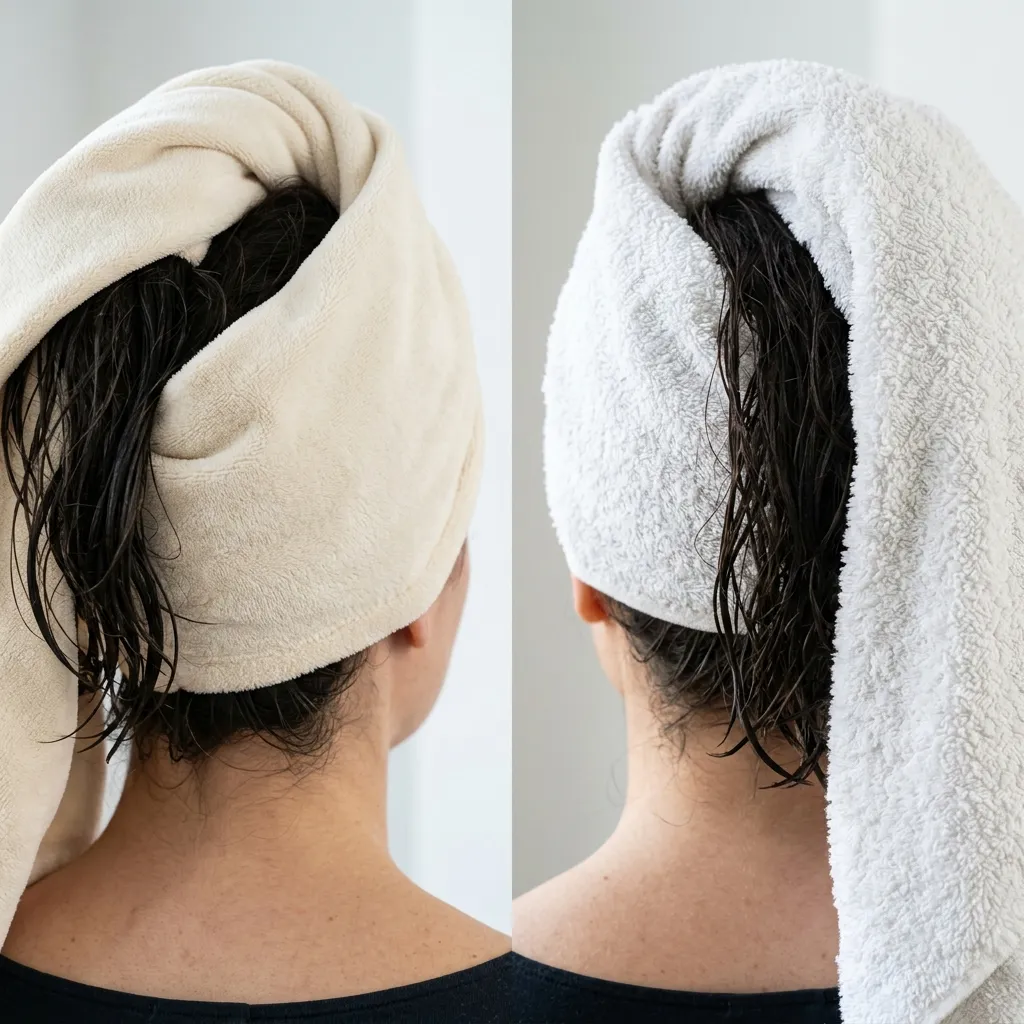
Vibe: Clarifying.
Why it works: Terry cloth towels have looped, absorbent fibers designed for maximum water absorption on skin, but those same loops catch on the raised, wet cuticle of hair and cause frizz and breakage with every rubbing motion. Microfiber’s flatter, finer weave absorbs water through capillary action rather than friction, which is the specific material property that makes the swap effective.
How to get it: Squeeze excess water from hair with a microfiber towel using a gentle press-and-release motion rather than rubbing back and forth, working from ends toward roots in sections.
Shop the Look
| Product | Why it fits |
| Microfiber hair towel, quick-dry | Absorbs water without friction-based cuticle damage |
| Microfiber turban wrap | Hands-free drying option with the same low-friction benefit |
| Cotton t-shirt for gentle drying | Budget alternative with similarly smooth texture |
| Hair-drying cap, absorbent lined | Combines coverage with low-friction material |
| Bamboo fiber hand towel | Gentle option for quick touch-ups between washes |
19. Scalp Massage to Boost Circulation and Follicle Health
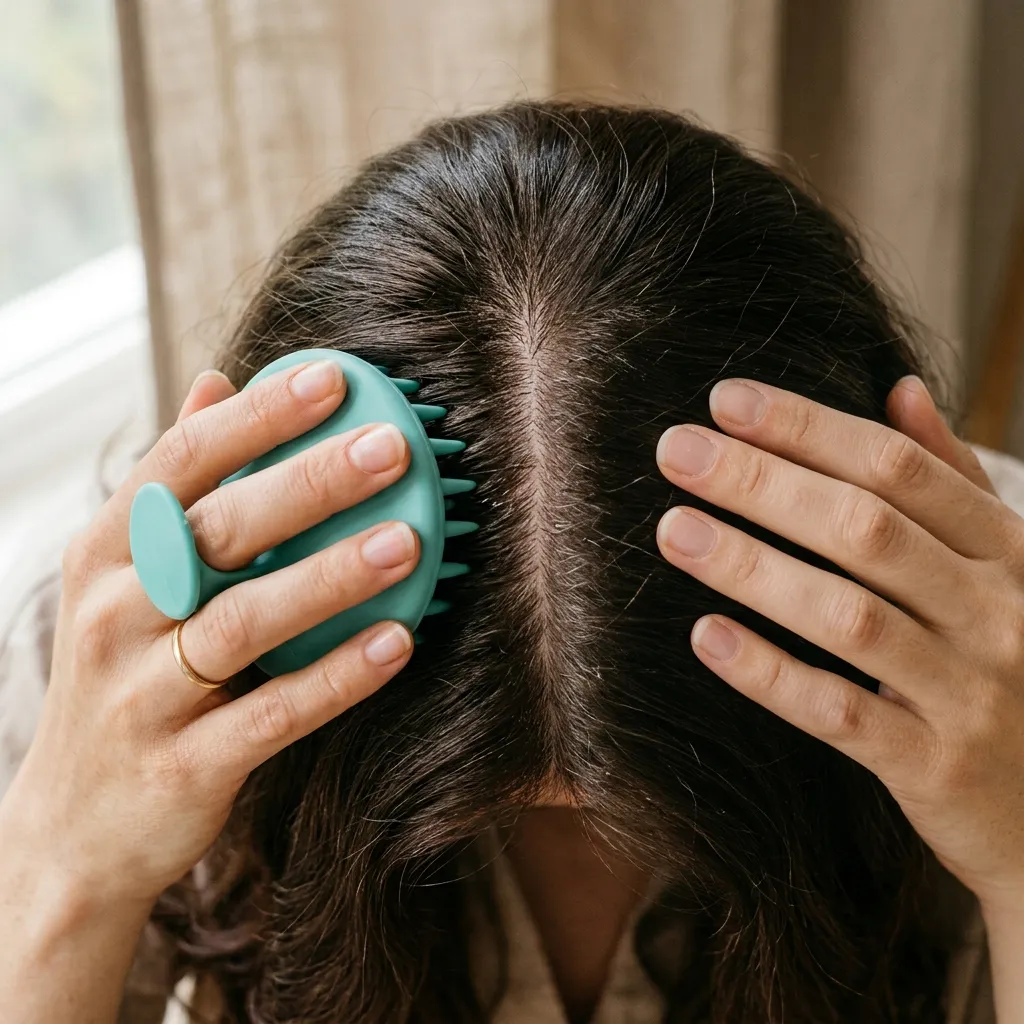
Vibe: Soothing.
Why it works: Breakage prevention starts at the follicle, and scalp massage has been shown in small clinical studies to increase blood flow to hair follicles, which supports the delivery of oxygen and nutrients needed to produce strong, well-structured new growth, this addresses the source of hair quality rather than only managing existing strand damage.
How to get it: Massage the scalp for three to five minutes daily using a silicone massage tool or fingertips in small circular motions, ideally during shampooing when the scalp is already receiving light stimulation from washing.
Shop the Look
| Product | Why it fits |
| Silicone scalp massage tool | Provides consistent circulation-boosting pressure |
| Scalp exfoliating brush | Clears follicle buildup that can hinder growth |
| Nourishing scalp oil serum | Adds targeted nutrients during massage |
| Wide-tooth wooden comb | Gently stimulates scalp during dry brushing |
| Handheld shower head with massage setting | Combines washing with scalp stimulation |
20. Rotate Protective Styles to Avoid Tension Breakage
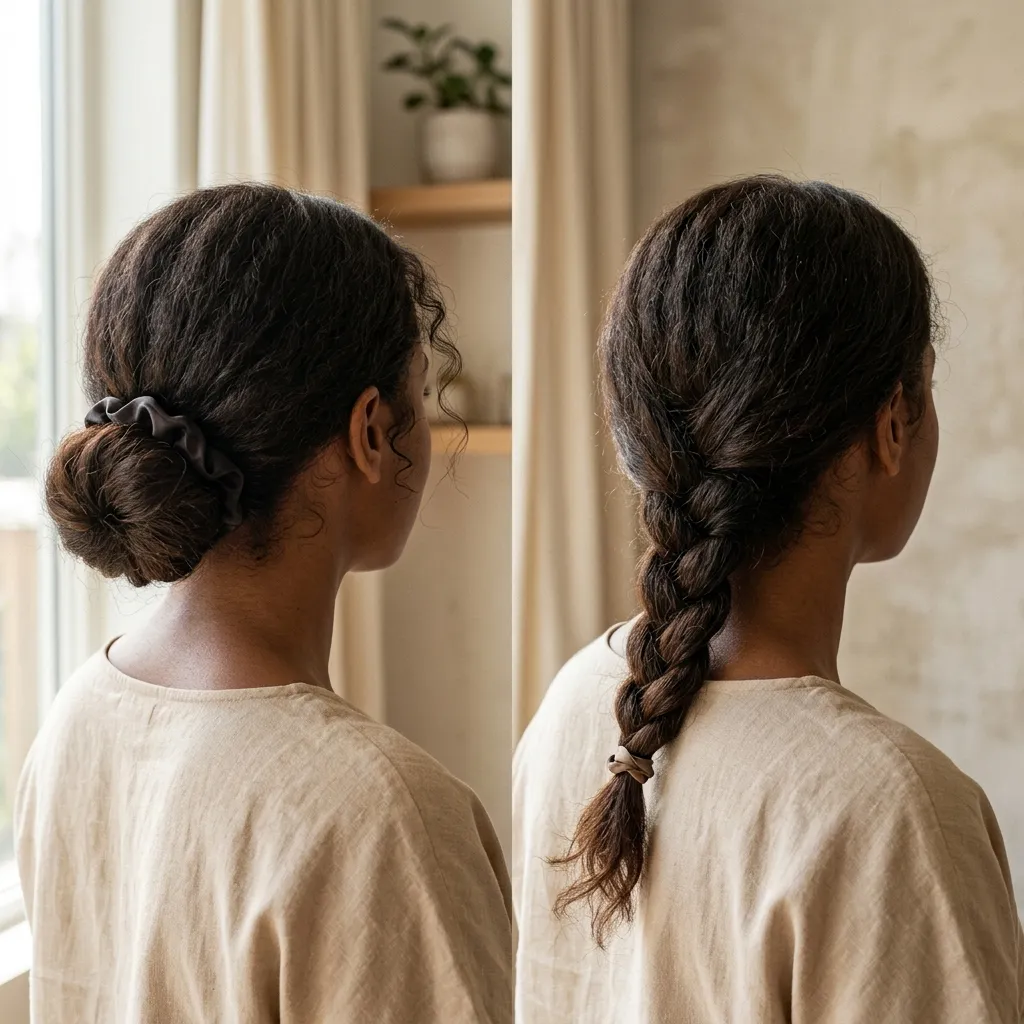
Vibe: Balanced.
Why it works: Wearing the same tight style (ponytail, bun, or braid) in the exact same position daily creates repeated, concentrated tension at one point along the hairline and shaft, and traction breakage from this repetition is one of the most common preventable causes of thinning and snapped strands at the hairline specifically.
How to get it: Rotate between at least three different style positions and tension levels throughout the week (a loose low bun, a side braid, hair left down), and any style that leaves a visible red mark or headache at the hairline should be loosened immediately rather than tolerated for the sake of neatness.
Shop the Look
| Product | Why it fits |
| Silk-covered elastics, assorted sizes | Reduces tension and snagging across rotating styles |
| Wide headband, fabric-covered | Alternative low-tension style option |
| Edge control gel, light hold | Smooths edges without pulling at the hairline |
| Soft-bristle edge brush | Styles edges gently across style rotations |
| Hair styling mirror, adjustable | Helps check tension and even style placement |
How to Start Preventing Hair Breakage
The single first move is switching your pillowcase to silk or satin tonight. It requires no new routine, no research into your hair type, and no ongoing effort, yet it removes one of the most consistent sources of nightly friction damage. Every other change on this list depends on hair that isn’t accumulating new friction damage faster than it’s being repaired, and the pillowcase swap is the only fix on this list that works passively, every single night, without you doing anything differently.
The most common mistake is over-using protein treatments on fine or already-fragile hair, mistaking “more repair product” for “more repair.” Protein overload makes hair feel stiff, straw-like, and paradoxically more prone to snapping, because excess protein without balancing moisture creates rigidity rather than resilience. The fix is alternating protein weeks with moisture-focused weeks and stopping immediately if hair starts feeling hard or brittle rather than soft and flexible.
Three items under $50 that create immediate impact: a mulberry silk pillowcase ($25–40), a wide-tooth seamless detangling comb ($8–15), and a heat protectant spray with dimethicone as a leading ingredient ($10–20).
Realistically, existing breakage can’t be reversed only regrowth prevents it going forward, so visible improvement in overall hair health typically takes 8–12 weeks, the time for genuinely stronger growth to become noticeable at the roots. A full routine overhaul (pillowcase, reduced heat, protein-moisture balance, protective sleep styling) can be implemented in a single weekend for under $75, while full length recovery from significant breakage realistically takes 6–12 months of consistent care alongside regular trims.
Frequently Asked Questions About How to Prevent Hair Breakage
What’s the difference between hair breakage and hair shedding?
Hair shedding is a normal, root-level process where hair falls out with a visible white bulb at the end, typically 50–100 strands per day as part of the natural growth cycle. Hair breakage happens anywhere along the strand, produces pieces without a root bulb, and results from structural damage rather than natural cycling. If you’re noticing short, uneven pieces throughout your hair or on your brush without visible roots, that’s breakage; if strands are falling with a small white tip attached, that’s normal shedding.
What ingredients should I look for to help stop hair breakage?
Look for hydrolyzed keratin or hydrolyzed silk protein for structural rebuilding, ceramides and ceramide NP specifically for sealing the cuticle, glycerin and panthenol (pro-vitamin B5) for moisture retention, and lightweight oils like squalane or jojoba for sealing without buildup. Avoid products with sulfates as the first ingredient if hair is already fragile, since aggressive surfactants strip both dirt and needed natural oils. A rotation of one protein-focused and one moisture-focused product covers both sides of the strength-flexibility balance hair needs.
How much does a breakage-prevention routine cost to start?
A basic starter routine costs roughly $60–100, covering a silk pillowcase ($25–40), a wide-tooth comb ($10), a heat protectant spray ($15–20), and a weekly deep conditioning mask ($15–25). A more complete routine including a dedicated protein treatment, bond-repair product for chemically treated hair, and professional trims every 8–10 weeks (typically $40–80 per salon visit) runs closer to $200–400 over a three-month period, which is the realistic minimum window to see measurable improvement.
Do these breakage-prevention tips work for chemically treated or color-treated hair?
Yes, but chemically treated hair needs the routine adjusted toward more frequent bond-repair and moisture treatments and less frequent standard protein treatments, since the chemical process has already altered the hair’s internal bond structure in a way surface protein alone can’t address. Color-treated hair specifically benefits from sulfate-free, color-safe shampoo to avoid stripping both pigment and the repaired bonds simultaneously. Heat temperature limits should also be lowered by roughly 20–30 degrees compared to virgin, unprocessed hair, since chemically treated strands have a lower heat-damage threshold.
What’s the most common cause of hair breakage that people overlook?
The most overlooked cause is dry detangling and rough towel-drying, both of which cause damage that’s invisible in the moment but accumulates steadily over months. Most people focus on visible factors like heat styling or hair dye while continuing to comb dry, tangled hair or rub it vigorously with a terry cloth towel daily, which research on cuticle friction suggests causes comparable cumulative damage to occasional heat exposure. Switching to wet, product-assisted detangling and a microfiber towel addresses this hidden source directly.
Ready to Stop the Breakage Cycle?
These 20 tips span the full range of what actually causes and prevents hair breakage from the products that rebuild protein structure and the handling techniques that reduce daily friction, to the nutrition that supports growth at the follicle and the sleep habits that protect strands for eight hours every single night. You don’t need to overhaul your entire routine at once, and starting with just one or two changes, the pillowcase swap, the gentler detangling method is genuinely the right way to begin rather than a compromise.
Today’s specific action: check what your pillowcase is made of right now, and if it’s cotton, make tonight the last night you sleep on it. Hair that isn’t fighting friction and heat damage every day has room to actually grow stronger, and over a few months that shows up as fewer flyaways, blunter ends, and a ponytail that finally feels like it’s gaining length instead of standing still. Save the tips that matched where your own routine is falling short those are the ones that will actually move the needle on your hair’s health over the coming weeks.