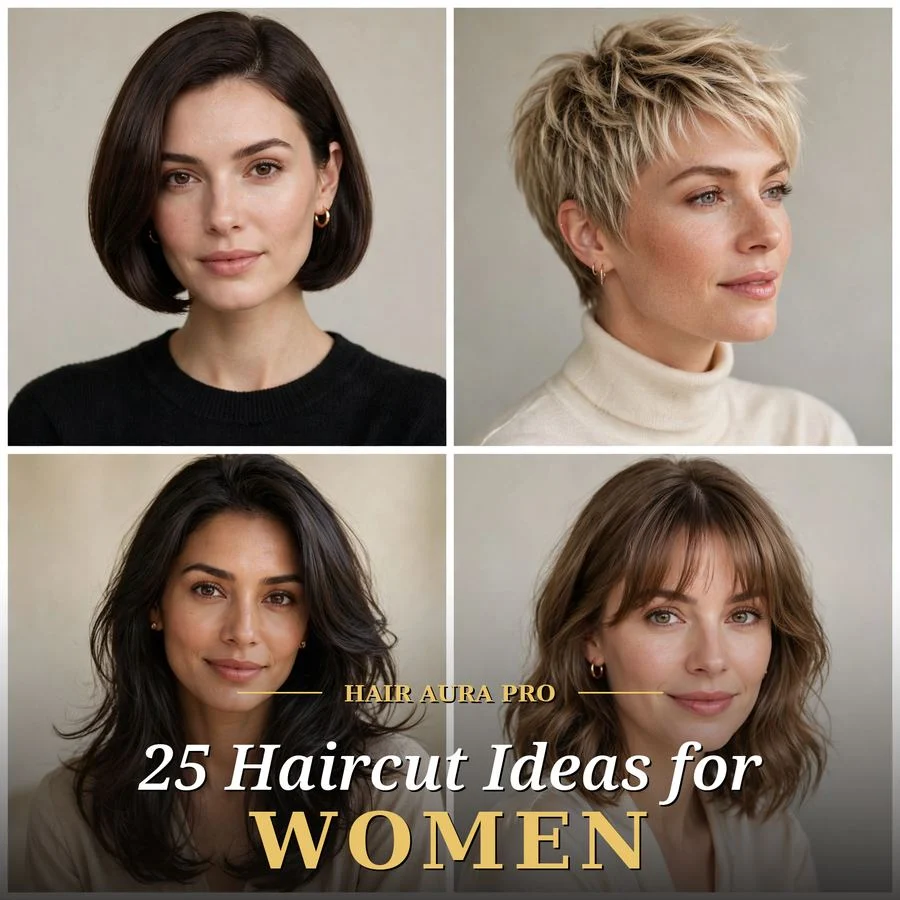
25 Haircut Ideas for Women Worth Saving

Haircut (noun): the deliberate shaping of hair through cutting techniques that control length, weight, and movement, turning raw growth into a style that flatters the face and fits a lifestyle.
Few decisions change a face faster than a haircut. A few inches off the length can lift cheekbones, a fringe can soften a forehead, and the right layers can make fine hair look twice as thick or heavy hair feel weightless. The chair, the cape, the first snip: it is one of the most satisfying transformations a person can buy, and it starts with knowing exactly what to ask for.
Below are 25 haircut ideas for women, each with a guide to who it flatters, what to request at the salon, and how to style it at home.
In This Guide
- The Classic Bob
- The Modern Lob
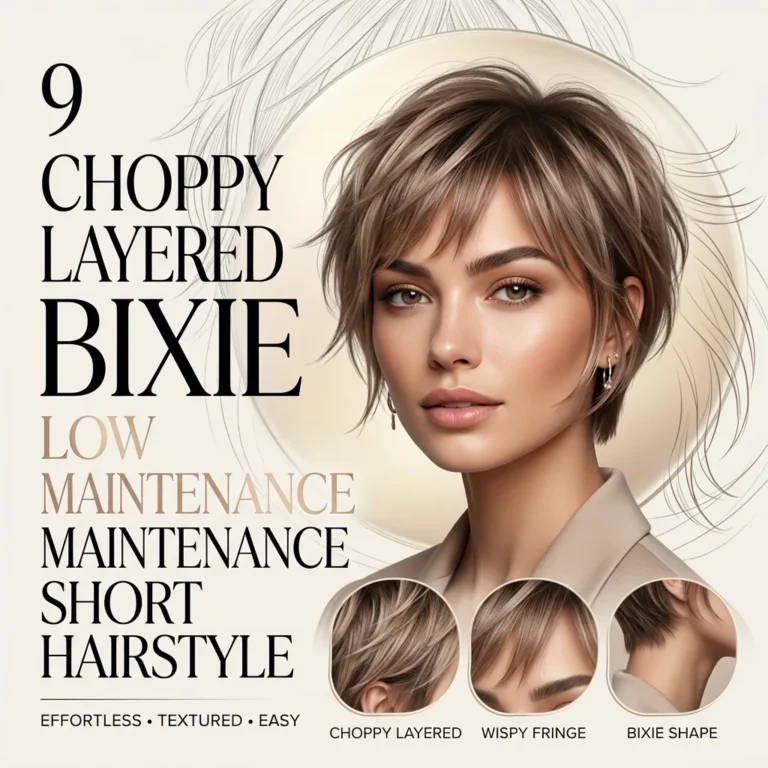
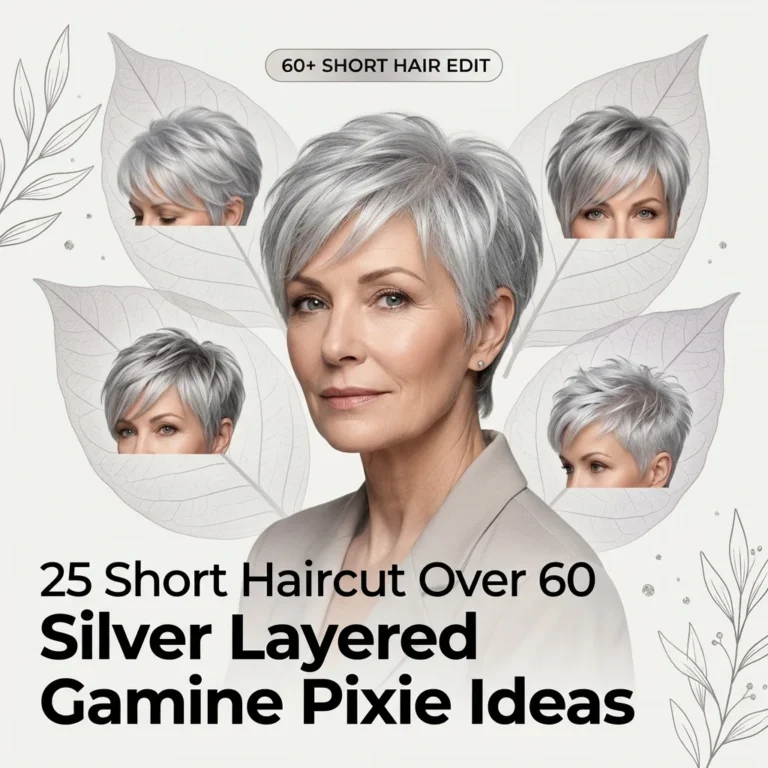
- The Textured Pixie
- The Choppy Shag
- Long Flowing Layers
- The Feather Cut
- Curtain Bangs
- The Blunt Cut
- The V-Cut
- The U-Cut
- The Wolf Cut
- The Butterfly Cut
- Face-Framing Layers
- Side-Swept Bangs
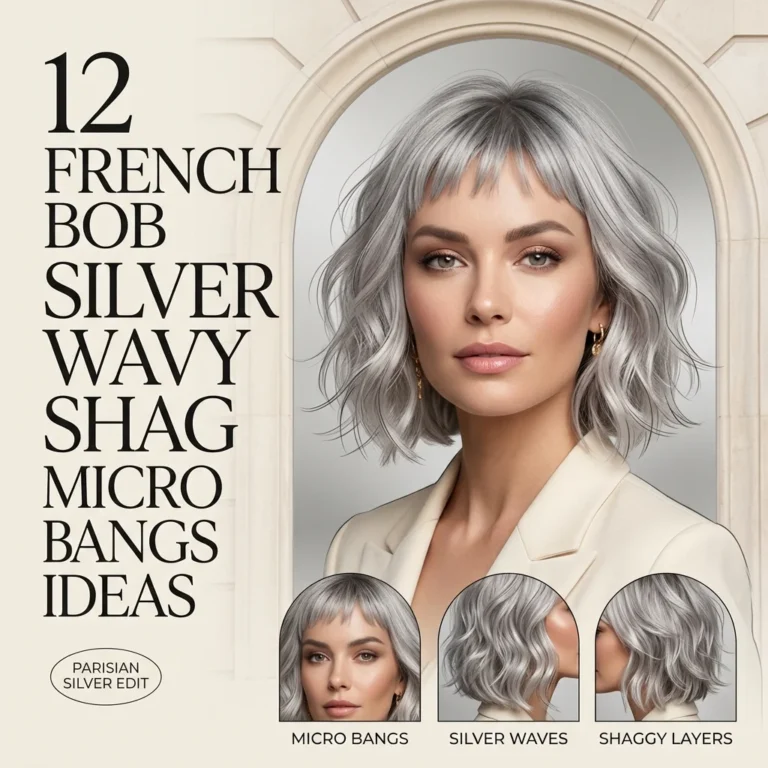
- Micro Bangs
- The Asymmetrical Bob
- The Inverted Bob
- The Stacked Bob
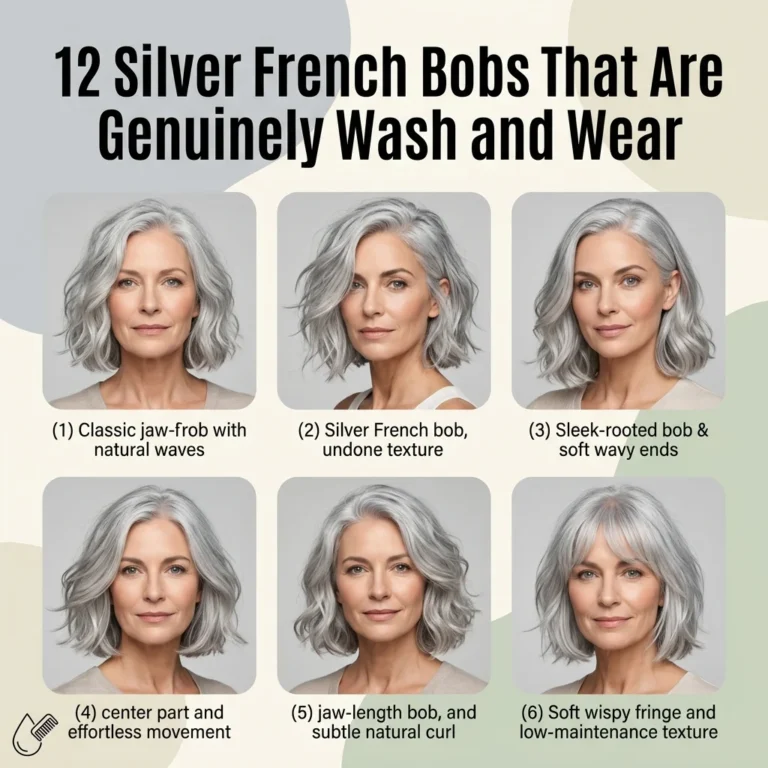
- The French Bob
- The Bixie
- Wispy Bangs and a Lob
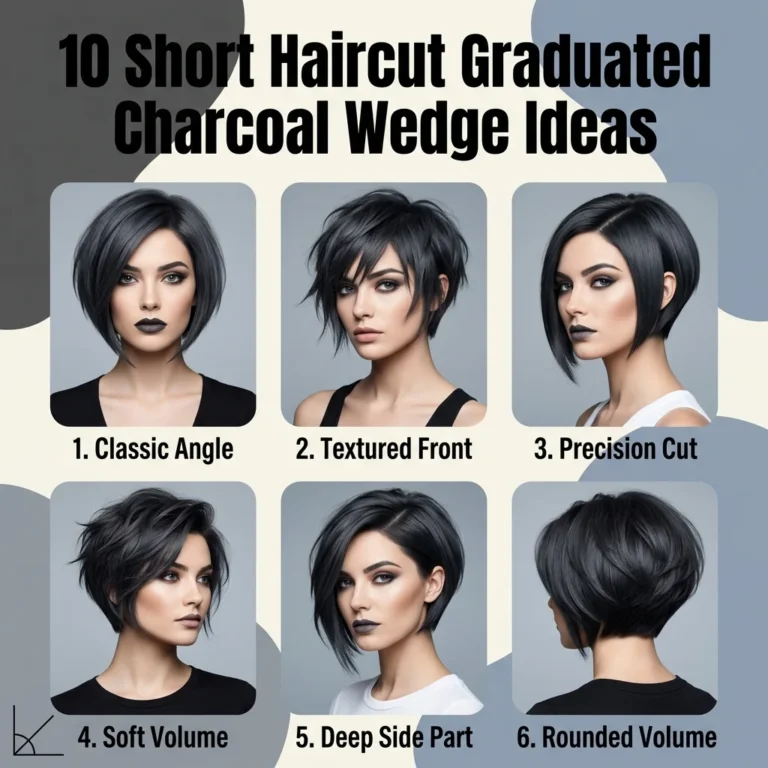
- The Graduated Bob
- The Curly Bob
- The Shattered Bob
- The Slicked-Back Crop
Why Haircuts for Women Work So Well
A great haircut works because it does the styling for you. The right architecture, layers placed where weight needs releasing, a perimeter cut to fall exactly at the jaw, means the hair behaves even on mornings when you barely touch it. Women who fight their hair daily are usually fighting the wrong cut, not the wrong products.
It also works because a cut is the most honest form of change. Color grows out and fades, but a silhouette reshapes the face immediately and holds its line for weeks. That is why stylists call the consultation the most important ten minutes of the appointment: matching the cut to bone structure, density, and texture is what separates a haircut you love from one you merely tolerate.
Finally, it works because versatility is built in. Most of the cuts below can be worn sleek, tousled, or curled without a restyle, which means one salon visit delivers a dozen different looks. A haircut that earns its keep across gym days, workdays, and weddings is doing exactly what it should.
| Style at a Glance | |
|---|---|
| Philosophy | Architecture first: the cut should do 80 percent of the styling work |
| Key Techniques | Point cutting, slide cutting, graduation, texturizing, dry cutting |
| Key Tools | Shears, thinning shears, razor, round brush, flat iron |
25 Ways to Wear Haircuts for Women
1. The Classic Bob
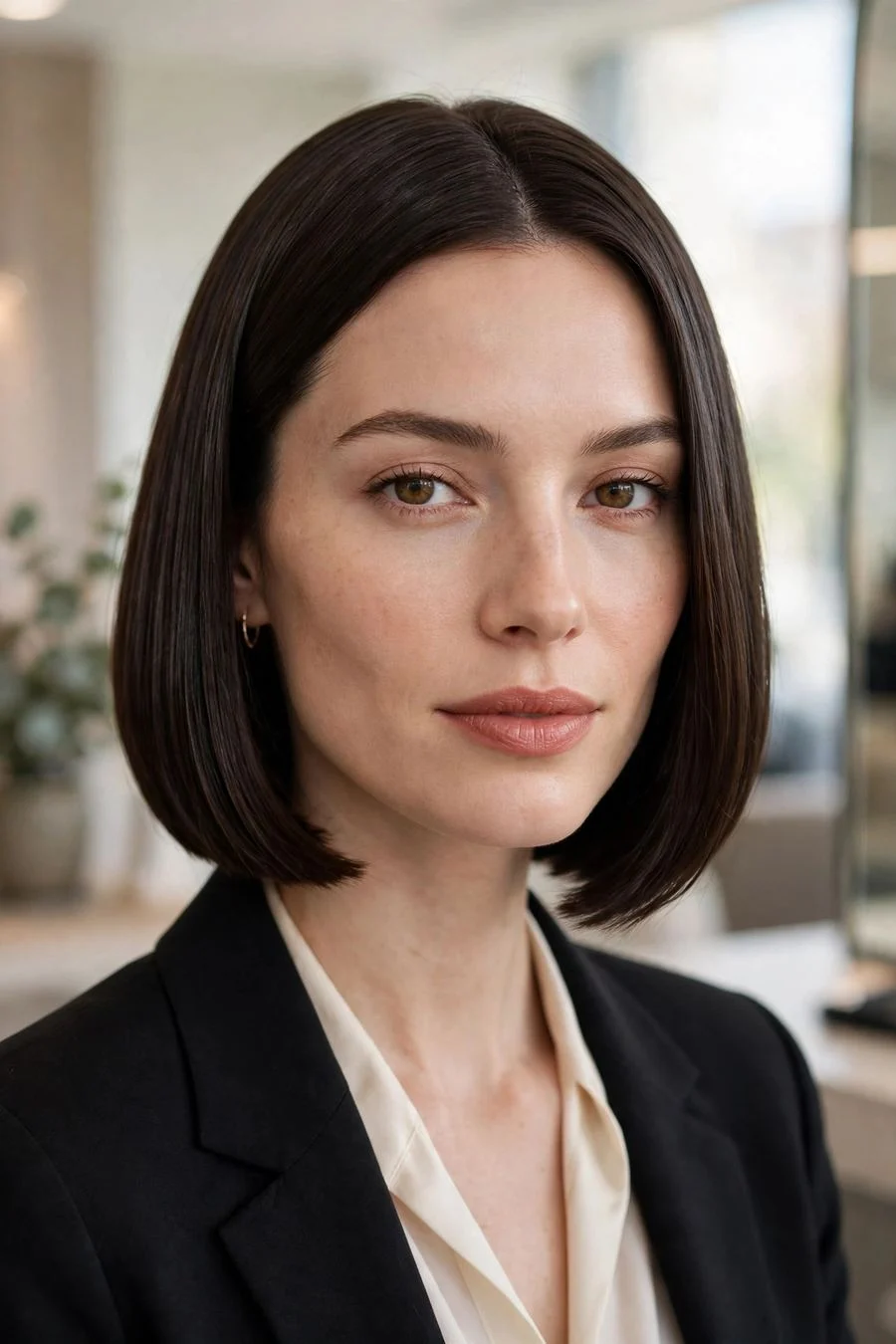
Vibe: Timeless polish with a sharp edge.
Why it works: The classic bob ends right at the jawline, which draws the eye to the cheekbones and creates the illusion of a stronger bone structure. Its one-length perimeter makes even fine hair look dense and healthy, since every strand ends at the same line. It suits oval, heart, and long face shapes especially well, and it grows out gracefully into a lob over about three months.
How to get it: Ask your stylist for a one-length bob cut to the jawline with minimal layering, and specify whether you want it tucked behind the ears or worn forward. Bring a photo showing the exact length you want, since "bob" covers everything from chin to shoulder. Style it sleek with a flat iron or add a slight bend at the ends with a round brush.
💡 Quick Win: Sleep on a silk pillowcase; it keeps a sleek bob smooth enough to skip the morning flat iron.
Also view: [INTERNAL:bob hairstyles for fine hair]
| Shop the Look | |
|---|---|
| Smoothing blow-dry cream with heat protection | |
| Flat iron with floating ceramic plates | |
| Lightweight shine serum, silicone-free | |
| Fine-tooth tail comb for crisp parting | |
| Flexible-hold hairspray for flyaway control |
2. The Modern Lob
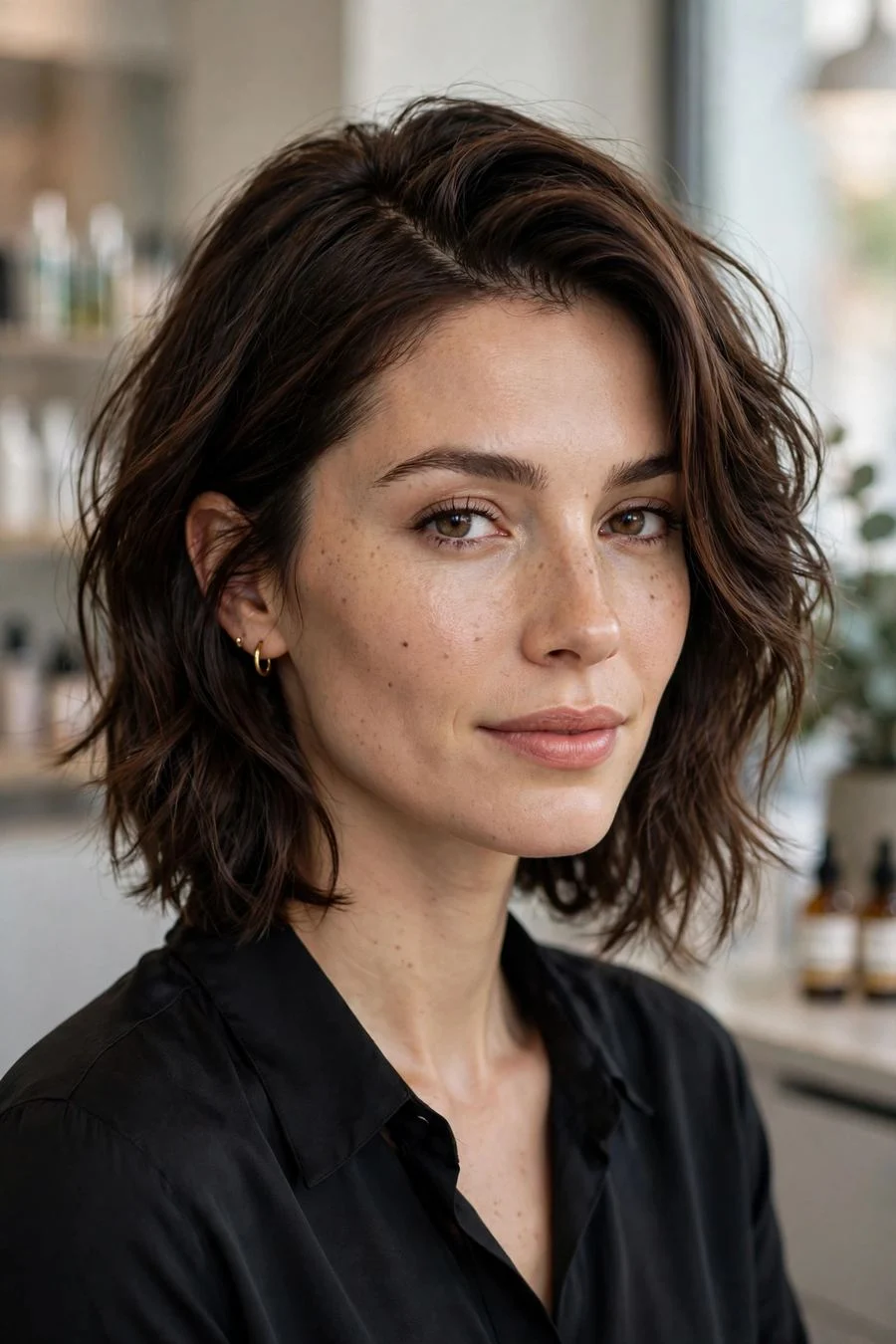
Vibe: Effortless cool that goes everywhere.
Why it works: The lob, or long bob, lands between the chin and collarbone, which is the most forgiving length on the human head: long enough to pull back, short enough to feel fresh. A deep side part adds instant volume at the crown, and the length elongates rounder faces. It is the safest dramatic change for anyone nervous about going short, since the grow-out is painless.
How to get it: Ask your stylist for a collarbone-grazing lob with a few long, face-framing layers at the front. Request point-cut ends rather than a blunt line for softness and movement. Style with a deep side part, tousle with your fingers, and finish with a texturizing spray for that undone wave.
| Shop the Look | |
|---|---|
| Sea salt texturizing spray for undone waves | |
| Large-barrel curling wand for loose bends | |
| Heat protectant mist, weightless formula | |
| Wide-tooth comb for gentle detangling | |
| Dry shampoo for second-day volume |
3. The Textured Pixie
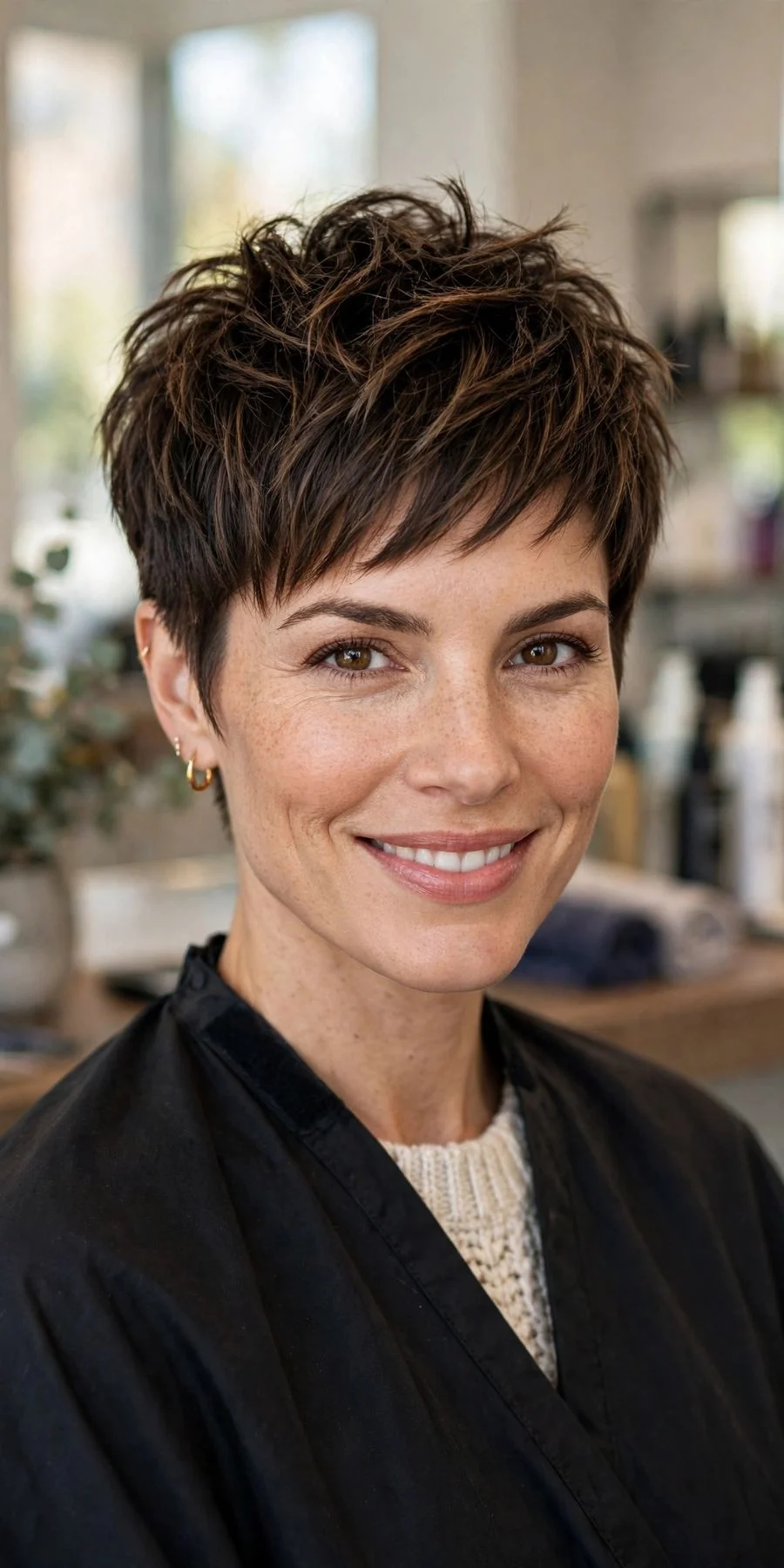
Vibe: Bold, gamine, and completely free.
Why it works: A textured pixie keeps length on top while the sides stay close, which opens up the entire face and puts cheekbones and eyes center stage. The choppy layers create built-in volume, so even very fine hair looks full. It is a wash-and-go dream for active women, and the grow-out, through bixie and shaggy stages, is famously forgiving.
How to get it: Ask your stylist for a pixie with a longer textured top and tapered sides, and discuss how much length you want to keep around the ears. Bring photos showing both the front and the nape, since pixies vary wildly. Style by working a pea-sized amount of matte paste through dry hair and pieceing the top with your fingertips.
💡 Quick Win: Book trims every five to six weeks; a pixie loses its shape faster than any other cut.
| Shop the Look | |
|---|---|
| Matte styling paste for piecey texture | |
| Mini flat iron for fringe touch-ups | |
| Lightweight volumizing mousse | |
| Boar bristle brush for smoothing sides | |
| Travel-size hairspray for on-the-go fixes |
4. The Choppy Shag
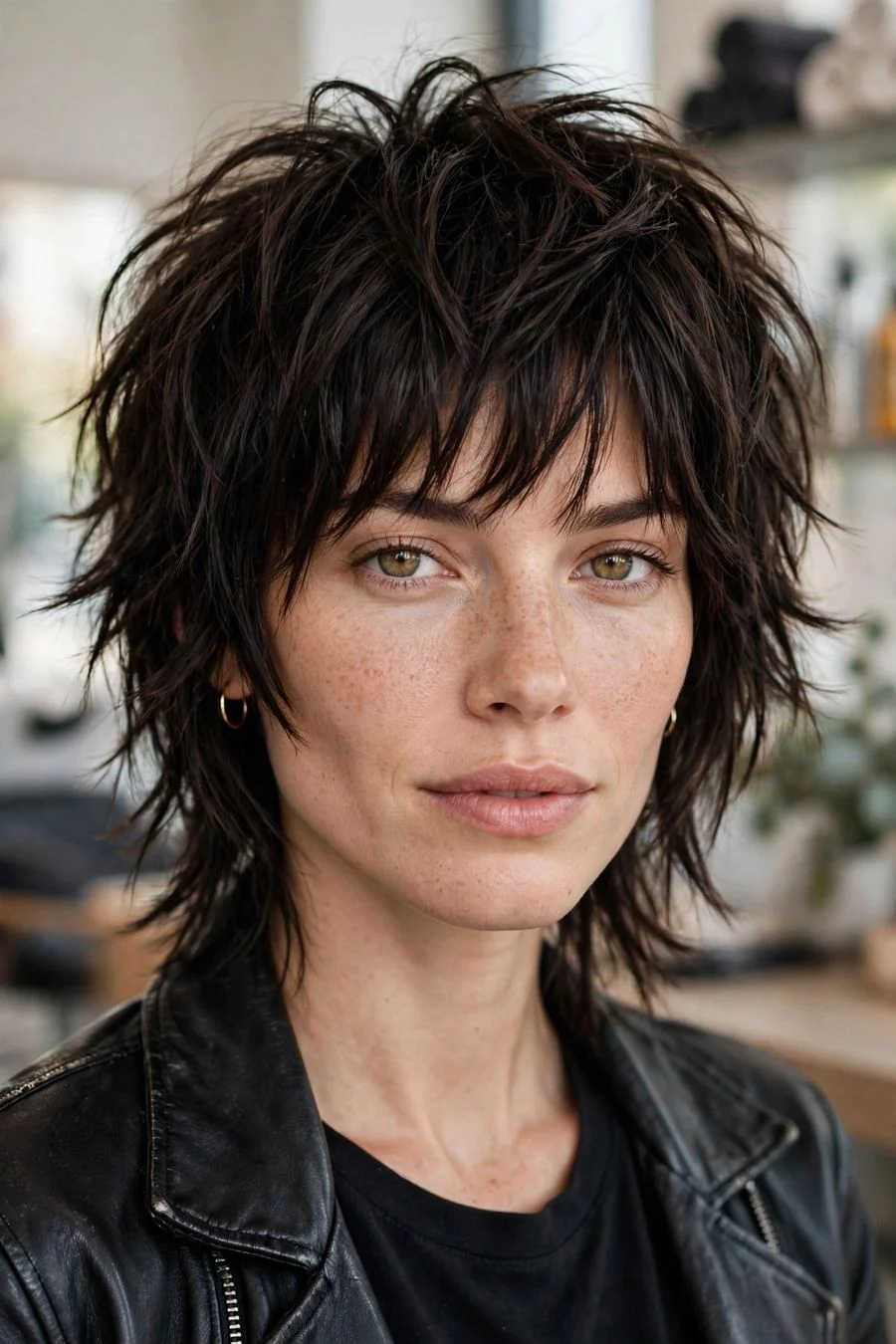
Vibe: Rock-and-roll softness.
Why it works: The shag's disconnected layers remove weight through the mid-lengths while keeping fullness at the crown, which gives thick hair movement and fine hair the illusion of body. The choppy ends look better slightly messy, so it rewards low-effort styling. It flatters nearly every face shape because the layers can be customized to hit at the cheekbones or jawline.
How to get it: Ask your stylist for a shag with heavy internal layering and textured, razored ends. Specify your ideal length first, then let the layers fall where they naturally suit your texture. Style by scrunching a curl cream or mousse into damp hair and air-drying or diffusing for maximum piecey separation.
Also view: [INTERNAL:shag haircuts for thick hair]
| Shop the Look | |
|---|---|
| Curl-defining cream for piecey separation | |
| Diffuser attachment for controlled drying | |
| Texturizing powder for root lift | |
| Razor-edge styling shears, at-home trims not advised | |
| Medium-hold flexible hairspray |
5. Long Flowing Layers
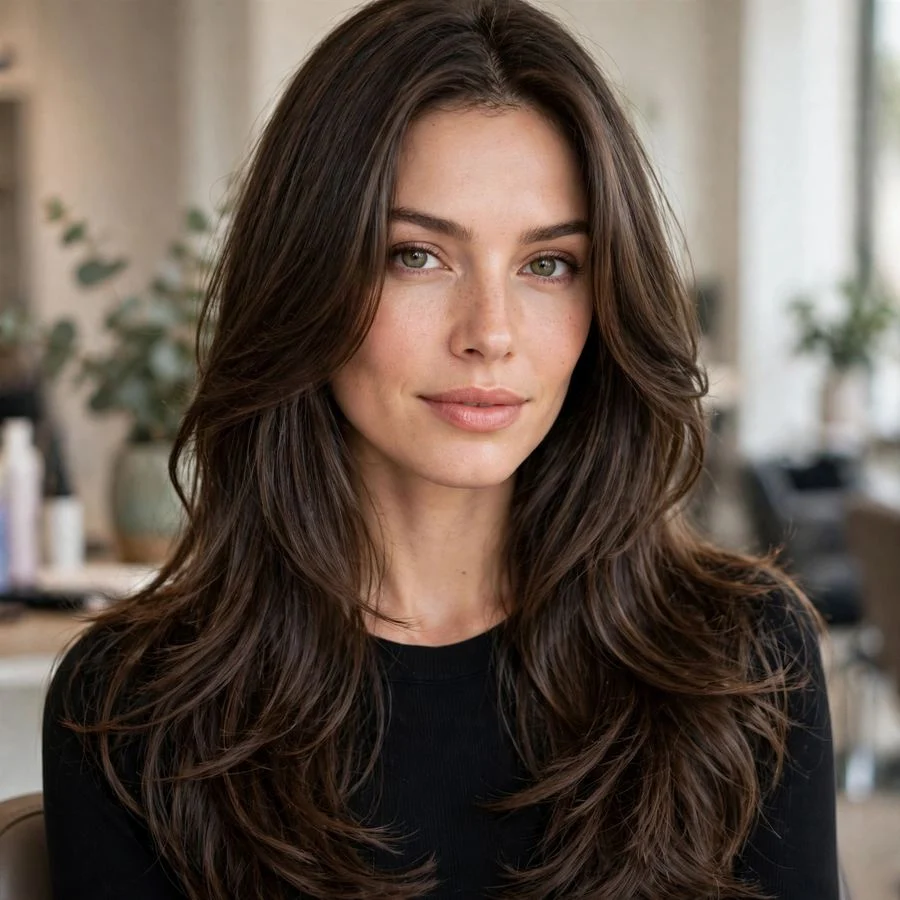
Vibe: Classic length with modern movement.
Why it works: Long layers keep the drama of long hair while removing the triangle-shaped bulk that makes one-length long hair hang flat. The layering starts below the chin so the face stays framed without losing fullness at the bottom. It is the most versatile cut on this list: braids, ponytails, and updos all work, and the layers make every one of them look fuller.
How to get it: Ask your stylist for long layers starting at the collarbone, cut with over-direction so the layers blend seamlessly. Request face-framing pieces that begin at the chin for softness around the face. Style with a round brush for bounce, or let it air-dry with a leave-in cream for natural movement.
💡 Quick Win: Ask for "invisible layers" if you want movement without an obvious layered look in photos.
| Shop the Look | |
|---|---|
| Leave-in conditioning cream for air-dried movement | |
| Large round brush for bouncy blowouts | |
| Split-end sealing serum | |
| Wide paddle brush for daily smoothing | |
| Heat protectant spray for hot tools |
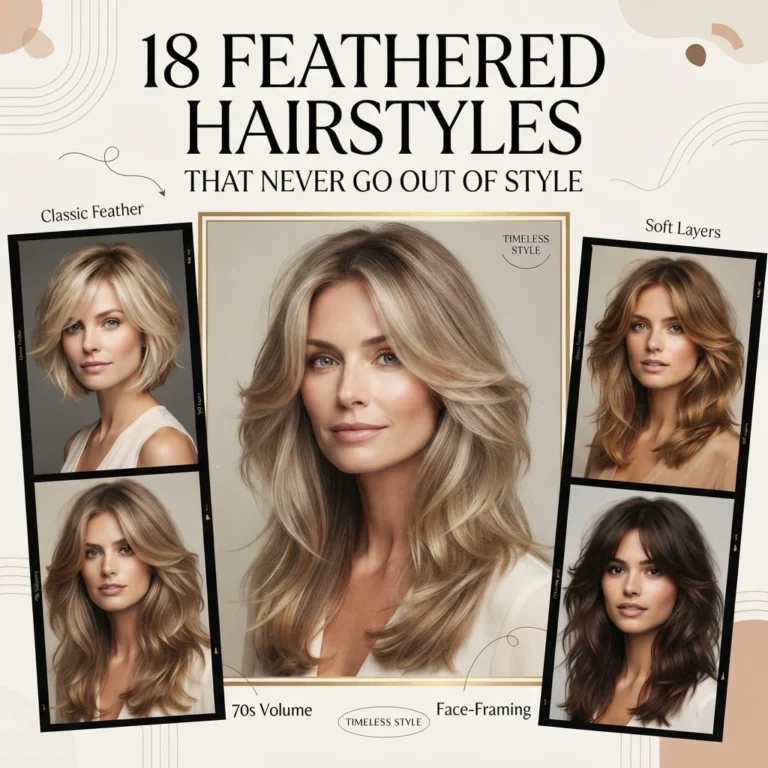
6. The Feather Cut
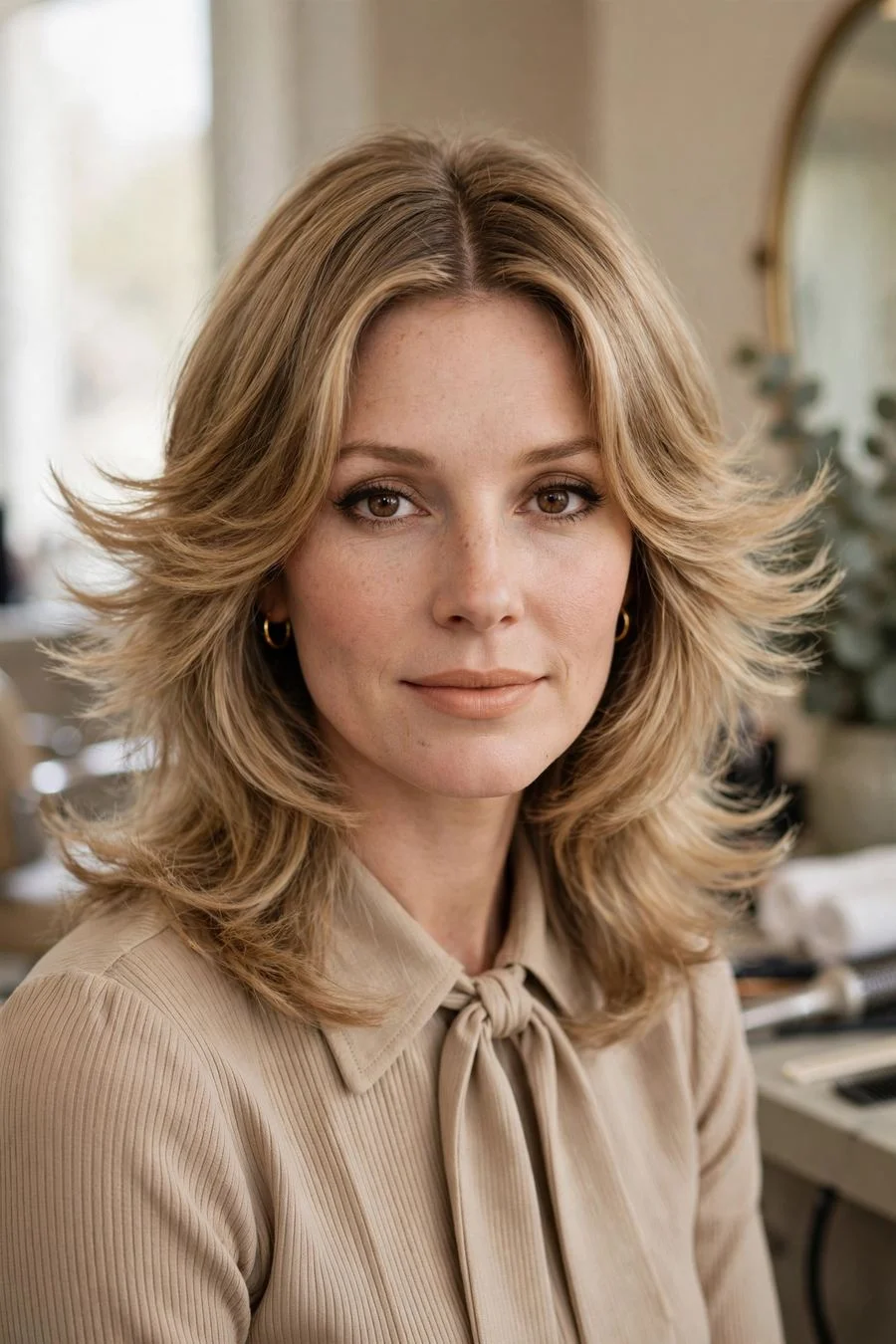
Vibe: Seventies softness, modernized.
Why it works: Feathering thins the ends into soft, wing-like pieces that flick outward, which takes visual weight off heavy hair and adds swing to every head turn. The technique flatters wider jawlines because the flicked ends draw the eye outward rather than down. It photographs beautifully in motion, which is why it keeps resurfacing every decade.
How to get it: Ask your stylist for feathered layers through the ends, cut with a razor or point-cutting for that signature soft edge. The classic version pairs with a center part and flicked-out ends, but modern versions work with curtain bangs too. Style by blow-drying the ends outward with a round brush, flipping away from the face.
| Shop the Look | |
|---|---|
| Medium round brush for outward flicks | |
| Volumizing mousse for root lift | |
| Light-hold hairspray to set the flip | |
| Heat protectant blow-dry lotion | |
| Boar bristle brush for smooth blowouts |
7. Curtain Bangs

Vibe: Soft-focus frame for the whole face.
Why it works: Curtain bangs part in the middle and sweep to each side, which narrows a wide forehead and highlights the cheekbones without the commitment of straight-across bangs. They blend into layers as they grow, so the awkward grow-out phase barely exists. They suit nearly every face shape, which explains their years-long reign.
How to get it: Ask your stylist for curtain bangs that start at the cheekbones and blend into your existing layers. Bring a photo showing how wispy or thick you want them. Style by blow-drying them forward with a round brush, then parting them in the middle and sweeping each side outward; a quick pass with a flat iron tames any cowlicks.
💡 Quick Win: Wash just the bangs in the sink on day two; it revives the whole style in ninety seconds.
Also view: [INTERNAL:bangs for round faces]
| Shop the Look | |
|---|---|
| Small round brush for bang styling | |
| Mini flat iron for quick touch-ups | |
| Dry shampoo for bang refreshes | |
| Lightweight styling cream for sweep control | |
| Duckbill clips for training the part |
8. The Blunt Cut
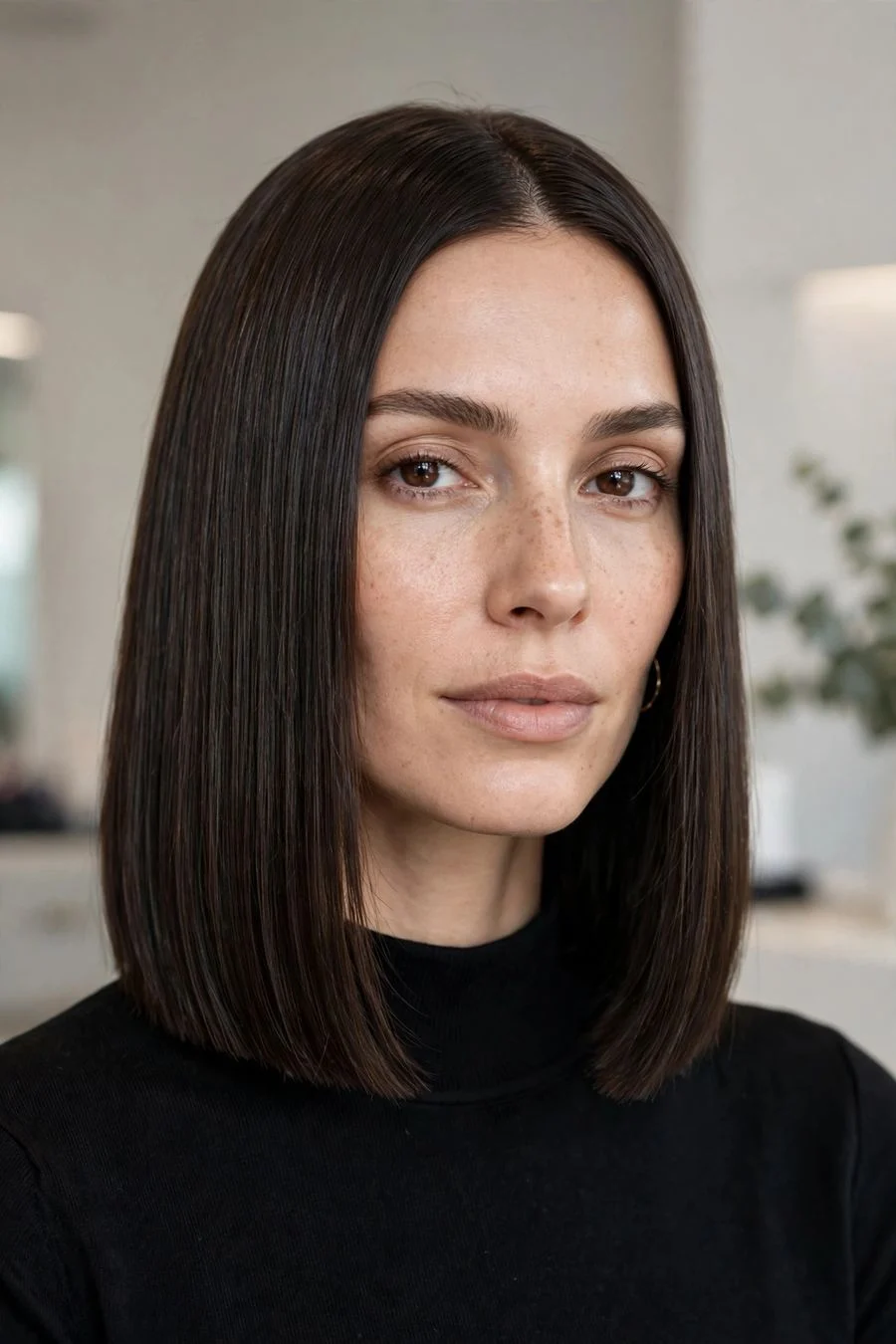
Vibe: Precision as a personality trait.
Why it works: A blunt cut ends in one crisp line with zero layers, which makes the hem look dramatically thicker: every strand contributes to the same edge. It gives fine hair its fullest possible appearance and makes healthy hair look expensive. The geometric line reads as confident and modern, especially on straight or straightened textures.
How to get it: Ask your stylist for a one-length cut with a perfectly straight perimeter, and be specific about length since blunt ends show every millimeter. Request minimal texturizing so the edge stays crisp. Style sleek and straight for maximum impact, or add a single bend at the ends; avoid heavy layering products that break up the line.
| Shop the Look | |
|---|---|
| Keratin-infused smoothing shampoo | |
| Flat iron with adjustable heat settings | |
| Anti-frizz serum for glass-like ends | |
| Microfiber towel to reduce frizz while drying | |
| Strong-hold edge control for baby hairs |
9. The V-Cut
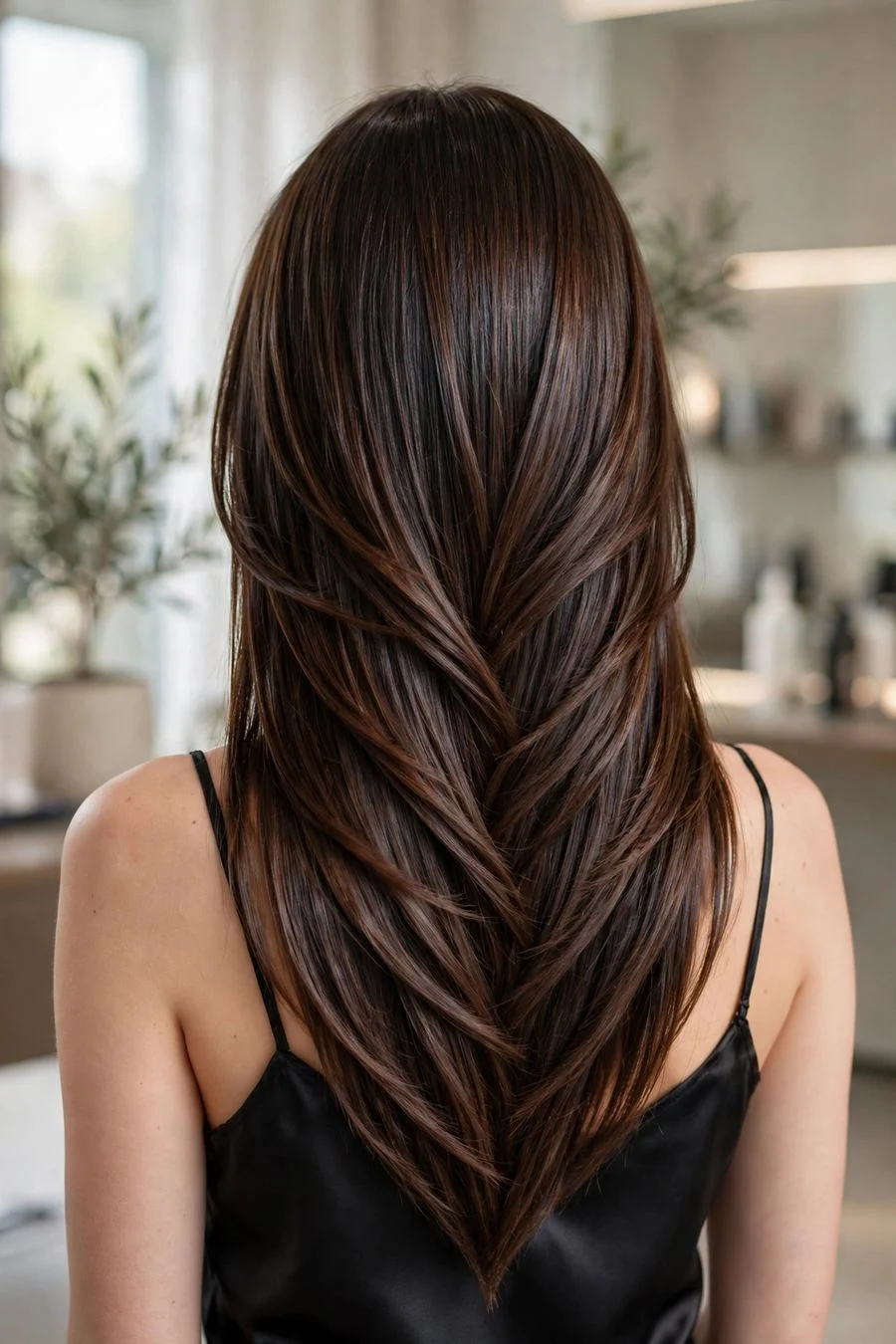
Vibe: Drama that starts at the shoulders.
Why it works: The V-cut tapers the back into a defined point, which makes long hair look even longer and creates a striking silhouette from behind. The angled layers remove bulk through the ends while keeping fullness up top, so thick hair feels lighter. It is a favorite for women growing their hair out, since the shape looks intentional at every stage.
How to get it: Ask your stylist for a V-shaped perimeter with the point hitting mid-back and layers angled up toward the front. Request that the shortest front layers still reach the collarbone so styling options stay open. Style with the hair down to show off the shape, or pull it into a low ponytail that sits right at the V.
💡 Quick Win: A V-cut shows split ends fast; book dusting trims every eight weeks to keep the point sharp.
| Shop the Look | |
|---|---|
| Split-end mending treatment | |
| Detangling brush for long lengths | |
| Argan oil for end nourishment | |
| Silk scrunchies to prevent breakage | |
| Heat protectant for long-hair styling |
10. The U-Cut
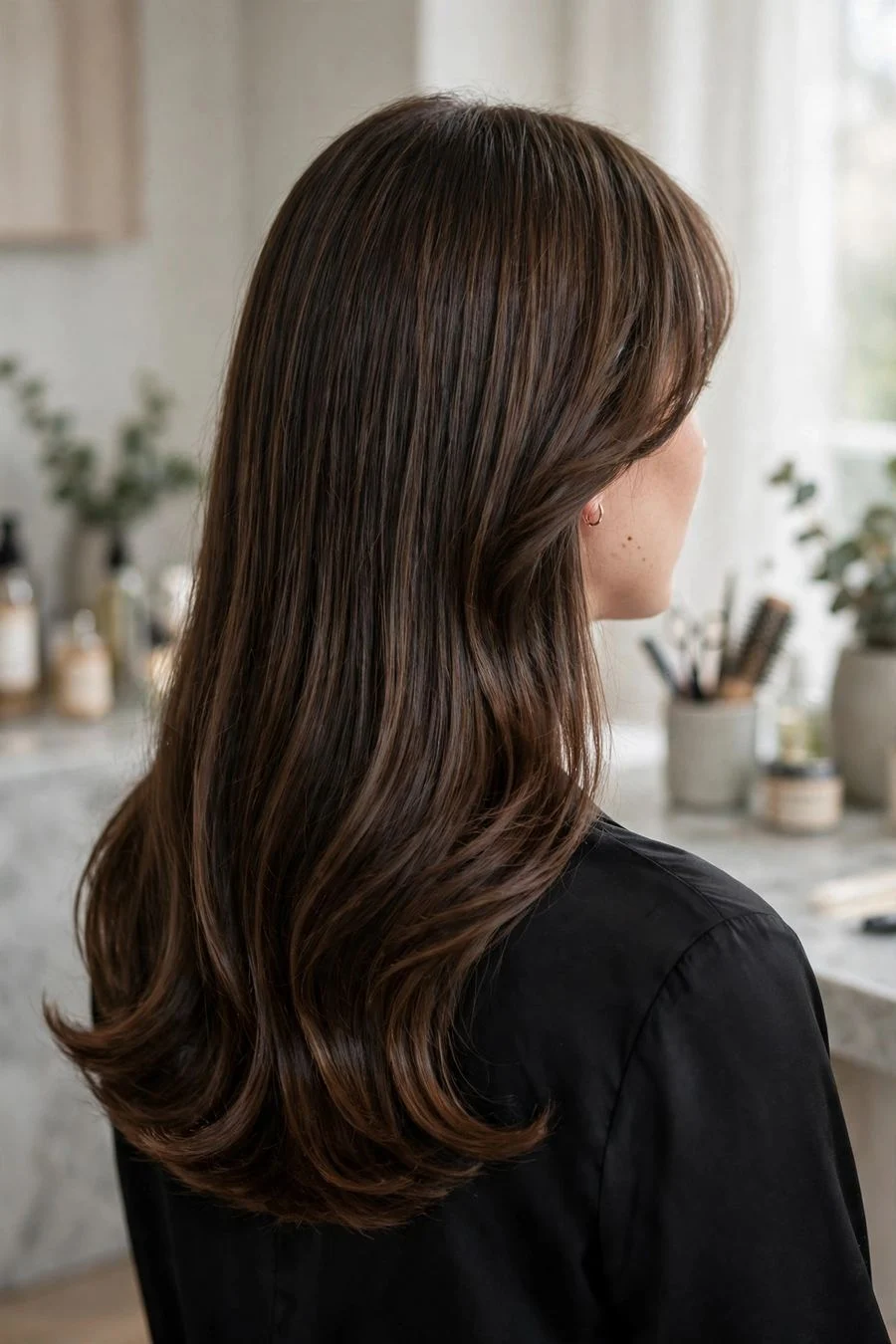
Vibe: Soft fullness, zero harsh lines.
Why it works: The U-cut rounds the perimeter into a gentle curve, which keeps the bottom looking full and thick while still giving long hair some shape. It is the kinder, softer sibling of the V-cut and flatters women who want movement without a dramatic point. The rounded hem also makes ponytails and braids look neater, since no layer sticks out awkwardly.
How to get it: Ask your stylist for a U-shaped perimeter with soft, blended layers through the last few inches. Specify that you want to keep maximum fullness at the bottom. Style with bouncy blowouts or loose waves; the rounded shape makes curls fall in a flattering cascade rather than a shelf.
Also view: [INTERNAL:long haircuts with layers]
| Shop the Look | |
|---|---|
| Curl-enhancing mousse for bouncy ends | |
| Large hot rollers for soft waves | |
| Nourishing hair mask, weekly treatment | |
| Paddle brush for smooth blow-drying | |
| Flexible-hold hairspray for movement |
11. The Wolf Cut
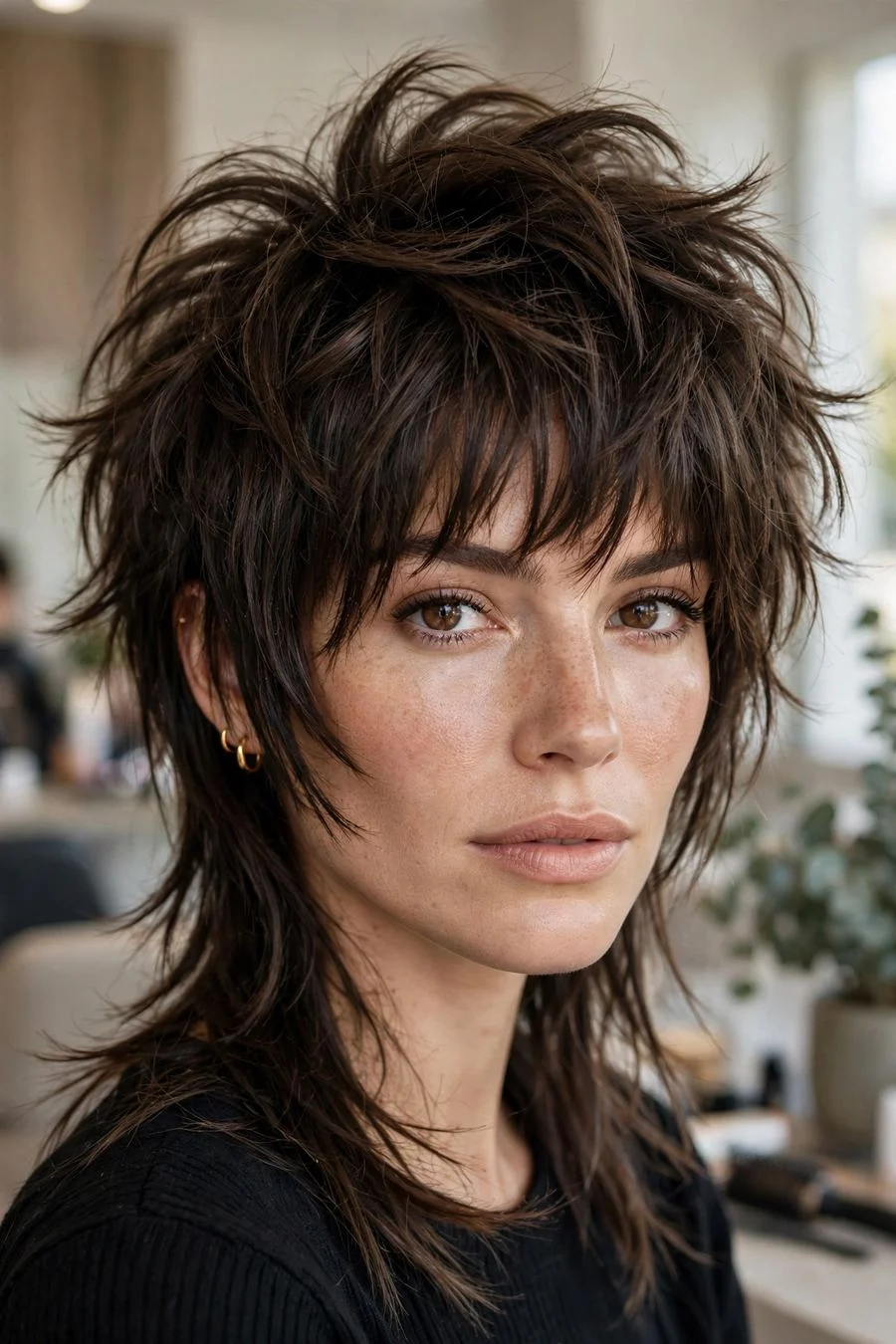
Vibe: Wild volume with a wink.
Why it works: The wolf cut mashes a shag's choppy layers with a mullet's shorter crown, creating explosive volume on top that tapers into wispy ends. It gives straight hair instant texture and makes wavy hair look deliberately tousled. The cut's built-in messiness means bedhead genuinely counts as styling, which is liberating for low-maintenance women.
How to get it: Ask your stylist for a wolf cut with heavy layers at the crown and longer, thinned ends, and bring reference photos since the mullet-to-shag ratio varies. Discuss your texture honestly: the cut behaves differently on pin-straight versus wavy hair. Style by scrunching texture spray into damp hair and letting it air-dry wild.
💡 Quick Win: The wolf cut eats conditioner; double your usual amount on the ends to keep them from frizzing.
| Shop the Look | |
|---|---|
| Texture spray for gritty separation | |
| Deep conditioner for thirsty ends | |
| Diffuser for enhancing natural wave | |
| Matte clay for defining crown pieces | |
| Wide-tooth comb for tangle-free drying |
12. The Butterfly Cut
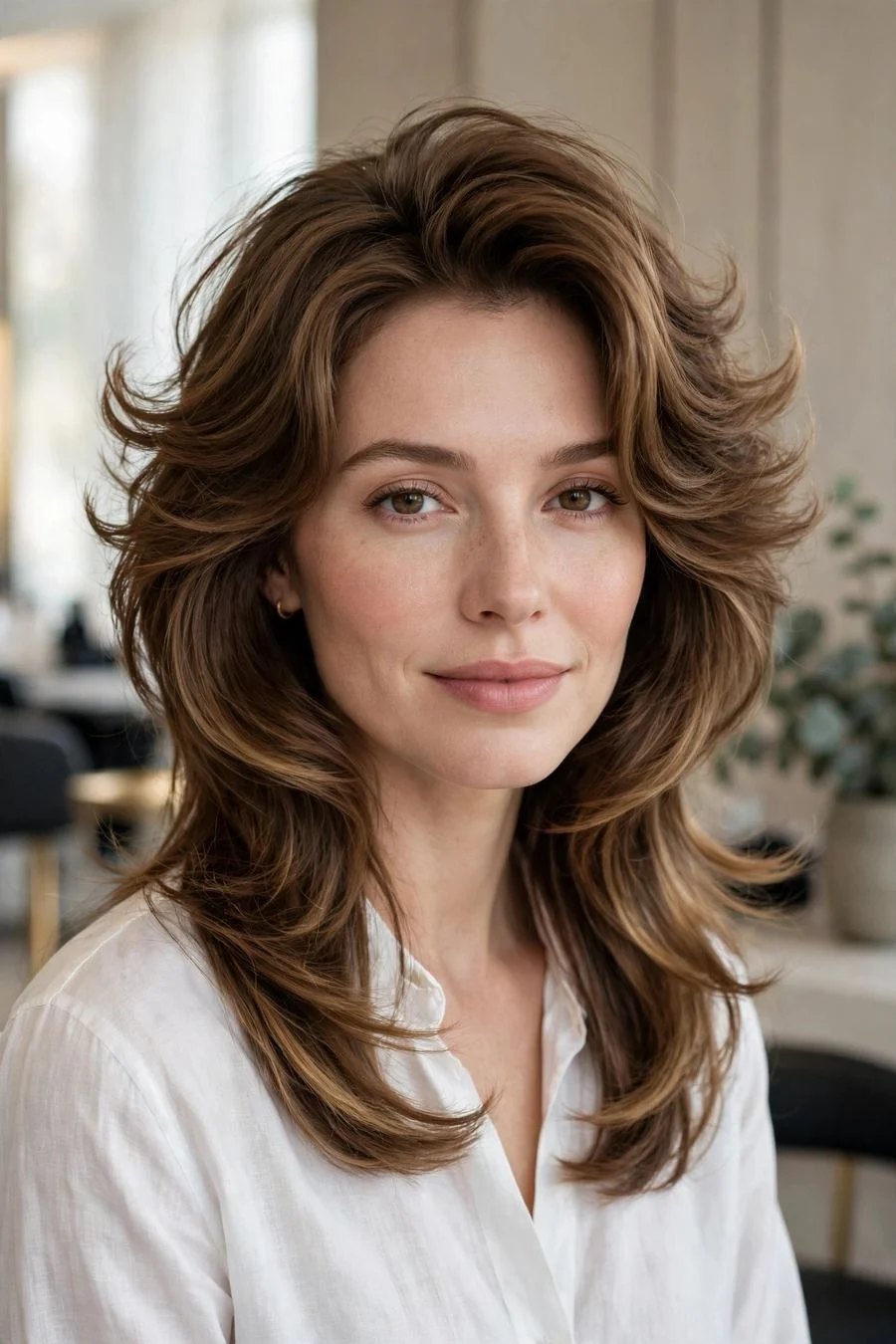
Vibe: Short on top, long underneath, best of both.
Why it works: The butterfly cut hides short, bouncy layers beneath long lengths, so the hair reads long from the back but moves like a short cut around the face. It delivers the volume of a bob without sacrificing a single inch of length. Women torn between chopping and growing finally get to stop choosing.
How to get it: Ask your stylist for short layers through the crown that end around the chin, blended into long lengths below. The top layers should be cut to flick outward with a blow-dry. Style the crown layers with a round brush for that winged lift, and let the long underlayer fall straight or wavy.
| Shop the Look | |
|---|---|
| Round brush set, medium and large | |
| Root-lifting spray for crown volume | |
| Blow-dryer with concentrator nozzle | |
| Smoothing serum for the long underlayer | |
| Sectioning clips for styling in layers |
13. Face-Framing Layers
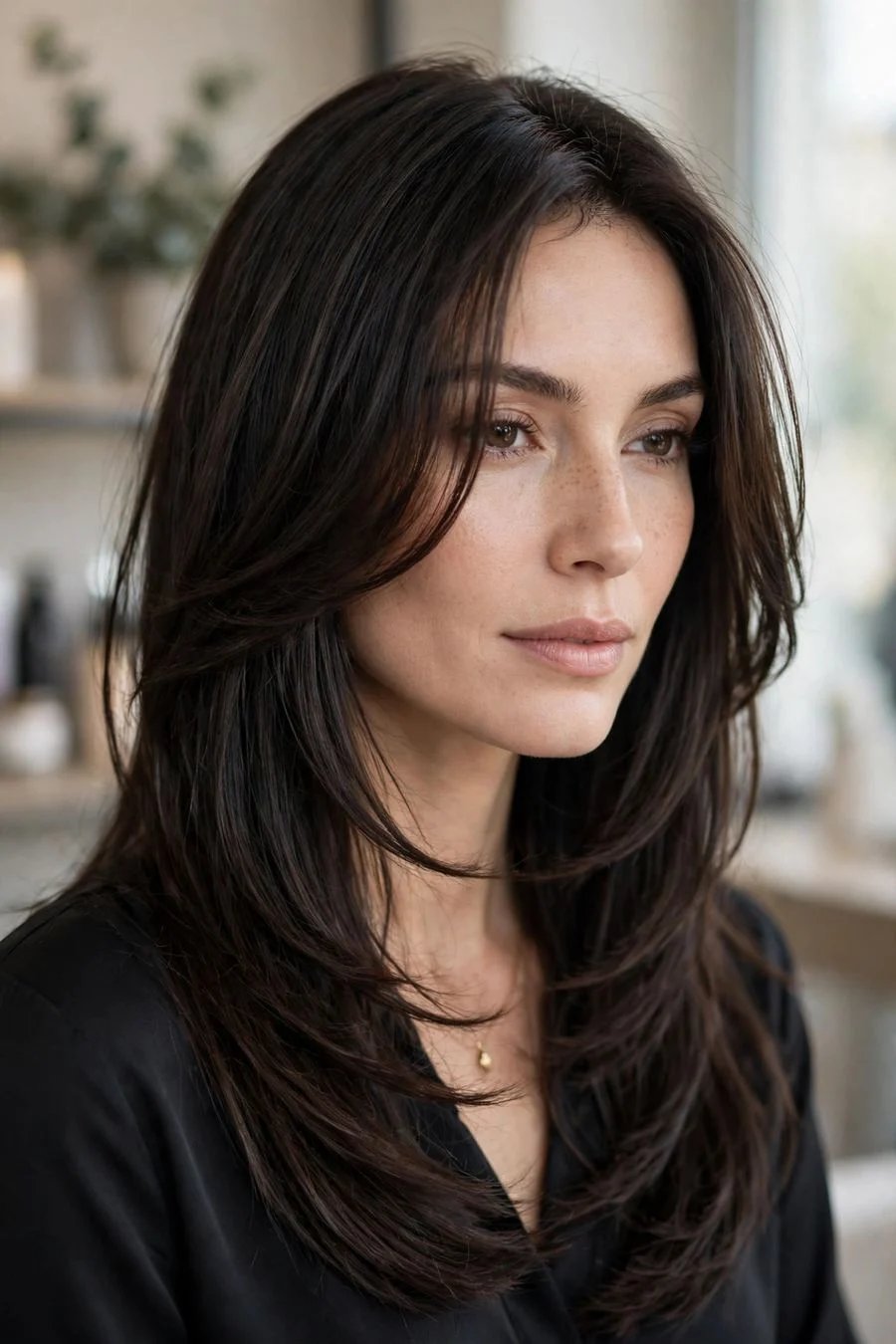
Vibe: A soft spotlight, exactly where you want it.
Why it works: Layers that start at the cheekbones and angle down draw attention to the eyes and lips while softening strong jawlines and wide foreheads. They work on any length from bob to waist-length, making them the most adaptable cut detail in existence. Even women who fear layers can wear these, since they read as face-framing, not thinning.
How to get it: Ask your stylist for face-framing layers beginning at the cheekbone or chin, cut to blend into your current length. Bring a photo showing whether you want them wispy or chunky. Style by blow-drying them away from the face with a round brush, or curl them outward for a retro flick.
💡 Quick Win: Face-framing layers grow out in about six weeks, so they are the cheapest experiment on this list to reverse.
Also view: [INTERNAL:layered haircuts for round faces]
| Shop the Look | |
|---|---|
| Medium round brush for outward styling | |
| Heat protectant spray | |
| Lightweight hair oil for piecey ends | |
| Velcro rollers for face-frame bounce | |
| Flexible-hold finishing spray |
14. Side-Swept Bangs

Vibe: Old-Hollywood polish, everyday ease.
Why it works: Side-swept bangs cross the forehead diagonally, which breaks up a wide forehead and adds asymmetry that flatters nearly every face shape. They grow out into face-framing layers with zero awkward stage, making them the lowest-commitment fringe. The diagonal line also draws the eye across the cheekbones, adding instant definition.
How to get it: Ask your stylist for bangs cut on a diagonal, longest at the cheekbone and shortest near the part. Specify which side you part on so the sweep direction matches. Style by blow-drying across the forehead in the sweep direction with a paddle brush, then setting the angle with a cool shot.
| Shop the Look | |
|---|---|
| Paddle brush for directional blow-drying | |
| Light-hold styling cream | |
| Bobby pins for growing-out days | |
| Travel flat iron for fringe fixes | |
| Dry shampoo for oily fringe days |
15. Micro Bangs
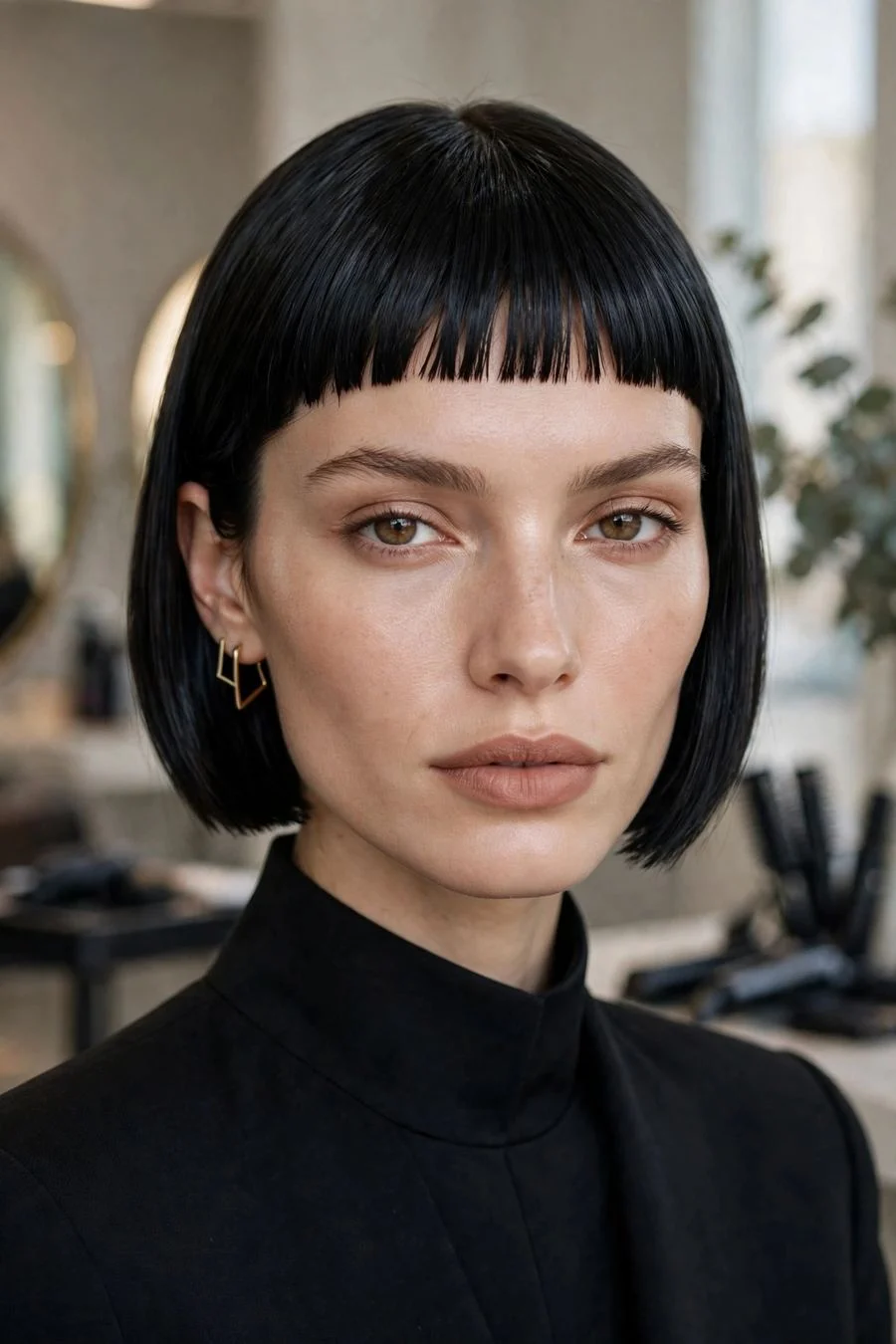
Vibe: High fashion, zero apologies.
Why it works: Micro bangs end well above the brows, which elongates the face and puts the eyes absolutely center stage. The short, graphic line reads as editorial and confident, and it pairs beautifully with bobs, pixies, and long straight hair alike. It is the fastest way to make a familiar cut feel completely new.
How to get it: Ask your stylist for bangs cut about an inch above the brow, and discuss texture: blunt micro bangs read mod, while choppy ones read punk. This cut shows cowlicks mercilessly, so be honest about yours. Style with a mini flat iron for crispness, or finger-tousle with paste for an undone edge.
💡 Quick Win: Trim micro bangs yourself between appointments with sharp shears, cutting less than you think you need.
| Shop the Look | |
|---|---|
| Mini flat iron for precision styling | |
| Sharp hair-cutting shears for trims | |
| Matte pomade for textured edges | |
| Fine-tooth comb for straight lines | |
| Strong-hold mini hairspray |
16. The Asymmetrical Bob
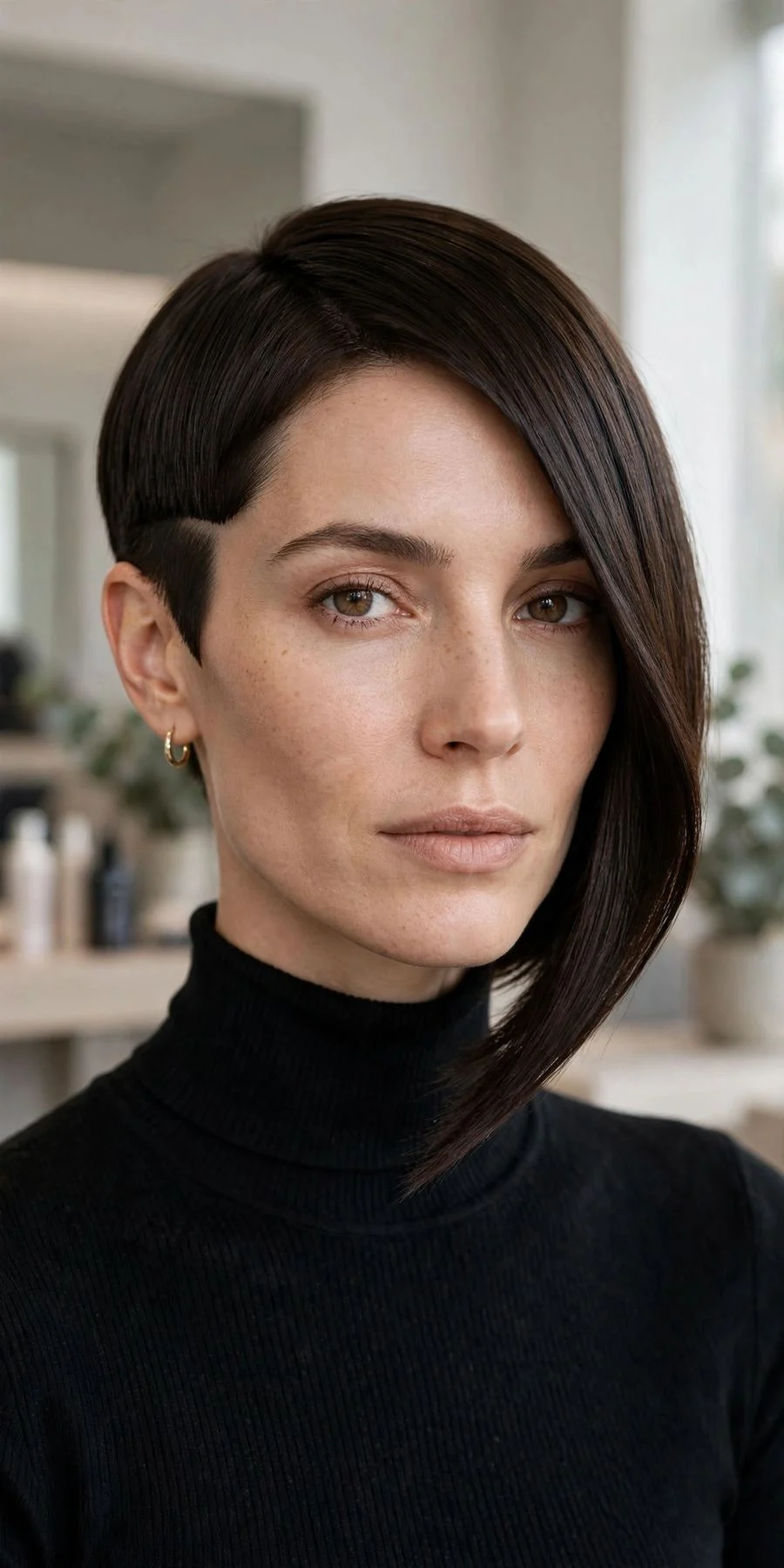
Vibe: Architecture you can wear.
Why it works: One side falls longer than the other, which creates a diagonal line that slims round faces and adds edge to classic bobs. The asymmetry looks deliberate and high-fashion while requiring no more daily effort than a regular bob. It also grows out interestingly, morphing through several wearable stages before needing a reshape.
How to get it: Ask your stylist for a bob with one side at the jawline and the other one to two inches longer, and decide how dramatic you want the difference. Bring photos from both the front and the side. Style sleek to emphasize the geometric line, or tuck the short side behind the ear to show off the contrast.
Also view: [INTERNAL:edgy bob haircuts]
| Shop the Look | |
|---|---|
| Precision flat iron for sharp lines | |
| Smoothing serum for sleek finishes | |
| Strong-hold gel for tucked-side control | |
| Rat-tail comb for exact parting | |
| Shine spray for geometric definition |
17. The Inverted Bob
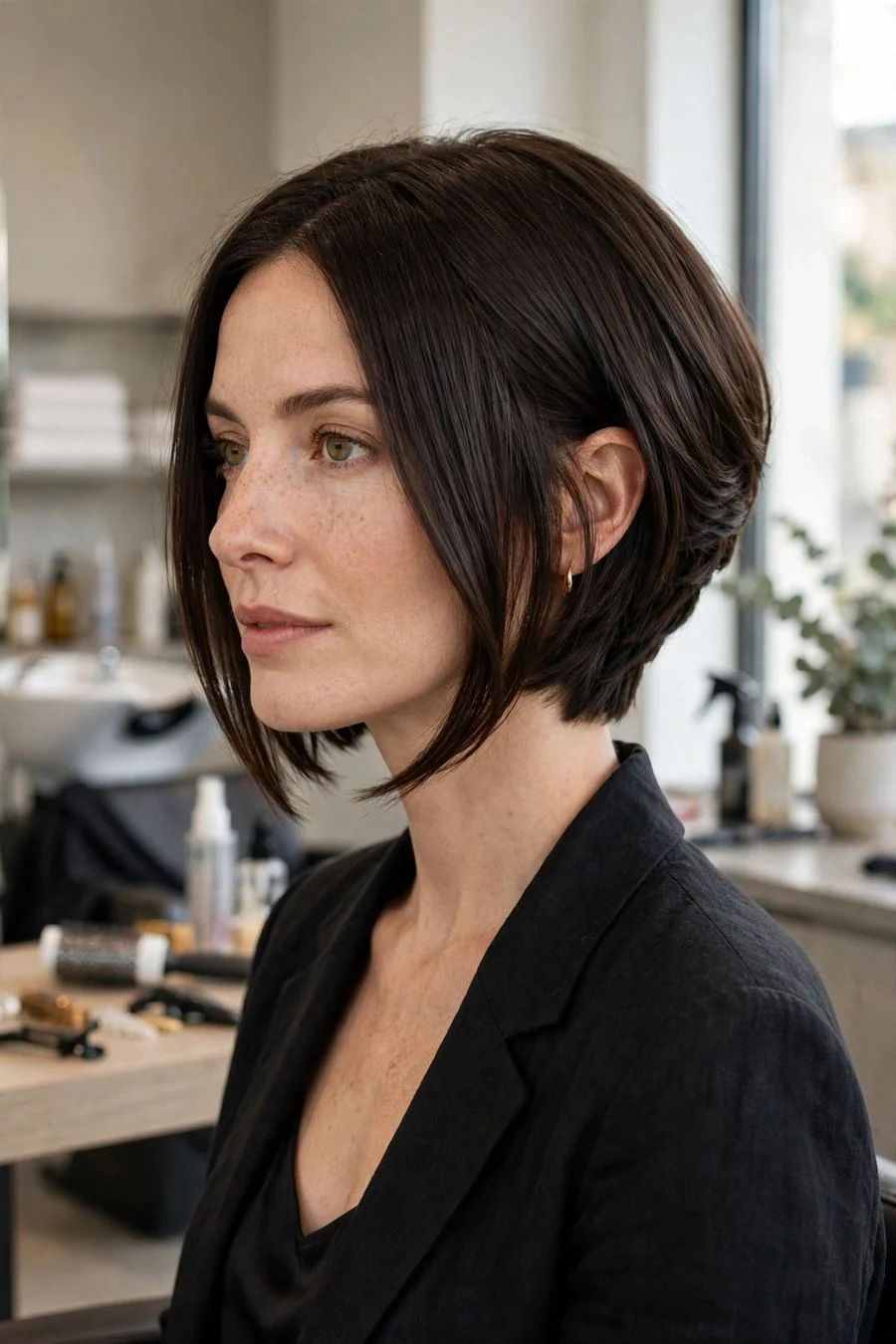
Vibe: Stacked in back, sweeping in front.
Why it works: The inverted bob is short and stacked at the nape, angling down to longer front pieces, which builds automatic volume at the crown while framing the face. The graduated back lifts fine hair spectacularly. It suits professional settings because the shape always looks intentional, even when you do nothing to it.
How to get it: Ask your stylist for an inverted bob with graduation at the nape and front pieces reaching the chin or collarbone. Discuss how stacked you want the back: more layers mean more volume but also more maintenance. Style by blow-drying the back with a round brush for lift and smoothing the front pieces forward.
💡 Quick Win: The nape grows out fastest; schedule trims every six weeks to keep the stacked shape crisp.
| Shop the Look | |
|---|---|
| Volumizing root spray | |
| Medium round brush for back lift | |
| Nape-hugging styling gel | |
| Blow-dryer with nozzle for precision | |
| Medium-hold hairspray |
18. The Stacked Bob
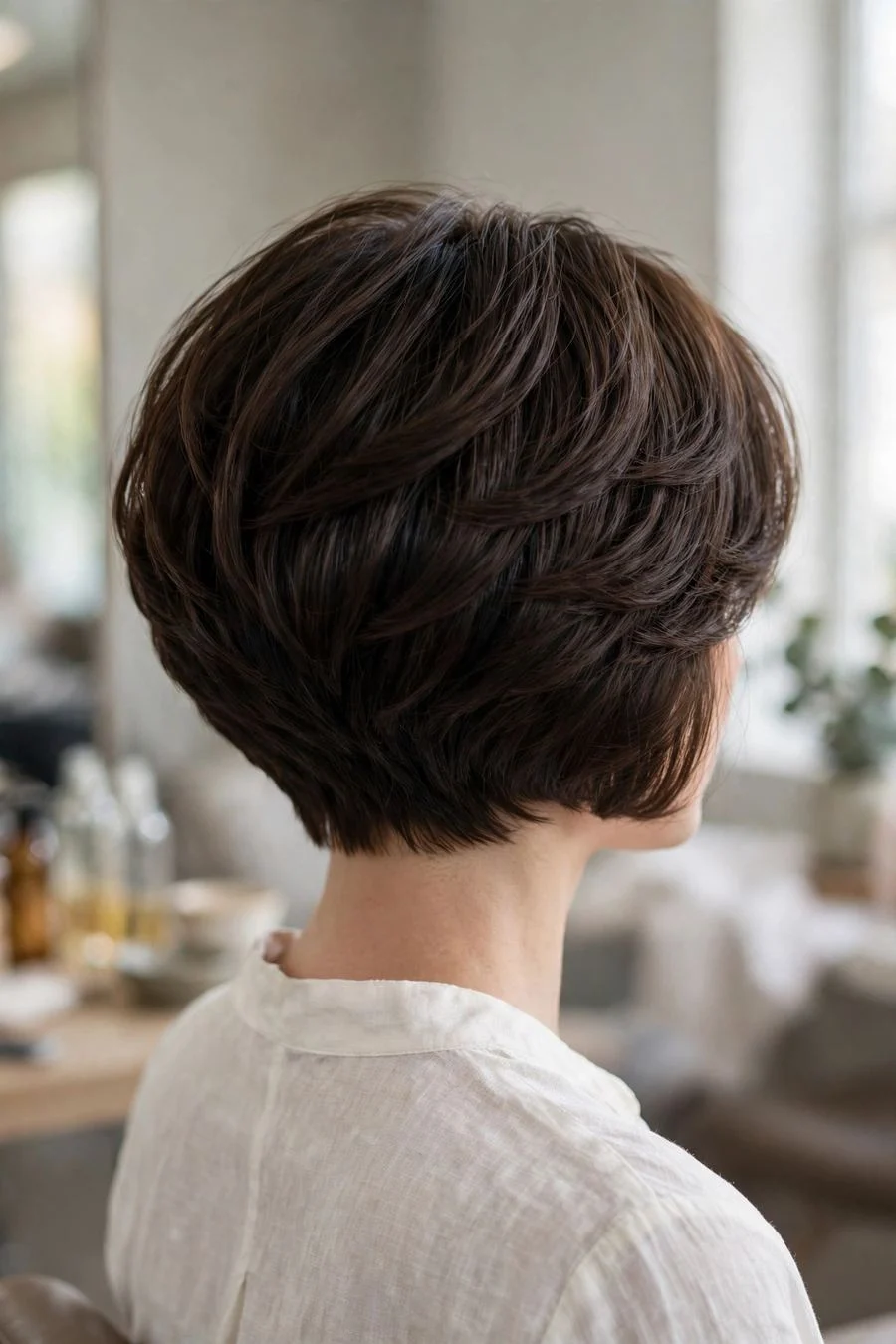
Vibe: Volume engineered from the inside out.
Why it works: Stacked layers pile up at the back of the head, creating a rounded silhouette that makes fine or thin hair look remarkably full. The technique removes weight where hair tends to collapse and builds it where lift is wanted. It is a particularly smart choice for women over fifty who want fullness without length.
How to get it: Ask your stylist for a stacked bob with graduated layers concentrated at the back and longer pieces in front. Bring a photo showing the profile view, since the stack's height defines the look. Style by blow-drying the back upward with a round brush and smoothing the front down for contrast.
| Shop the Look | |
|---|---|
| Thickening mousse for stacked volume | |
| Round brush, medium barrel | |
| Backcombing brush for extra lift | |
| Volumizing dry shampoo | |
| Firm-hold finishing spray |
19. The French Bob

Vibe: Parisian insouciance, bottled.
Why it works: The French bob hits at the cheek or lip with a full fringe, which frames the eyes and cheekbones in one compact, chic package. Its slightly undone texture reads as effortless rather than fussy. The short length makes thick hair manageable and gives fine hair surprising body, since short ends always look fuller.
How to get it: Ask your stylist for a chin-skimming bob with a full fringe and soft, textured ends. Emphasize that you want it to look lived-in, not severe. Style by air-drying with a touch of cream and tousling with your fingers; the French bob should never look over-styled.
💡 Quick Win: A French bob loves second-day texture; skip washing and revive with dry shampoo at the roots.
Also view: [INTERNAL:french girl hairstyles]
| Shop the Look | |
|---|---|
| Air-dry styling cream | |
| Dry shampoo for second-day lift | |
| Texturizing spray for lived-in ends | |
| Silk scarf for frizz-free sleeping | |
| Small claw clips for pinning the fringe |
20. The Bixie
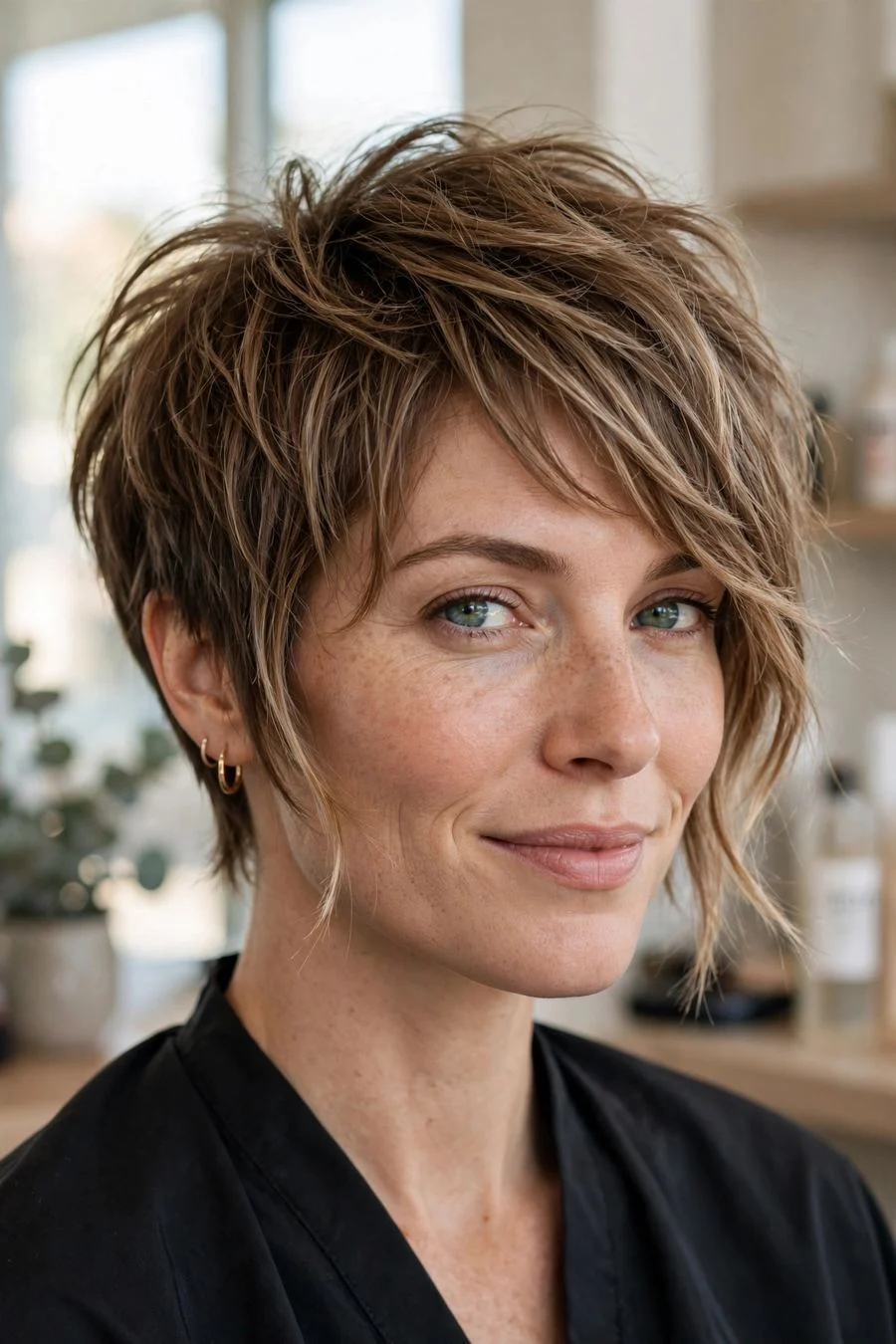
Vibe: Pixie attitude, bob versatility.
Why it works: The bixie lands between a pixie and a bob, keeping the pixie's edgy texture with enough length to tuck, flip, and play. It flatters women who find pixies too severe and bobs too safe. The extra length around the ears and nape makes it one of the most forgiving short cuts during grow-out.
How to get it: Ask your stylist for a bixie: pixie-like layering on top with bob-length pieces at the ears and nape. Bring photos showing the exact balance you want, since the cut lives or dies on proportion. Style with paste for piecey texture, or smooth it with a flat iron for a sleeker take.
| Shop the Look | |
|---|---|
| Fiber paste for piecey definition | |
| Flat iron for sleek styling days | |
| Sea salt spray for tousled texture | |
| Headband for grow-out phases | |
| Medium-hold hairspray |
21. Wispy Bangs and a Lob

Vibe: Softness squared.
Why it works: Wispy bangs veil the forehead lightly instead of covering it, which softens strong features without hiding the face. Paired with a lob, the combination frames the entire face in gentle pieces. It is the most forgiving fringe for bang beginners, since wispy edges blend into everything as they grow.
How to get it: Ask your stylist for soft, feathered bangs that hit between the brows and lashes, paired with a collarbone lob. Request point-cutting on the bang ends so they stay airy. Style the bangs with a quick round-brush blow-dry and let the lob fall naturally; the pairing should look effortless, not overworked.
💡 Quick Win: Twist damp bangs and let them air-dry for a natural, piecey finish with zero heat.
| Shop the Look | |
|---|---|
| Feather-light styling cream | |
| Small round brush for bang shaping | |
| Heat protectant mist | |
| Bobby pins for pinning bangs aside | |
| Sheer-hold hairspray |
22. The Graduated Bob
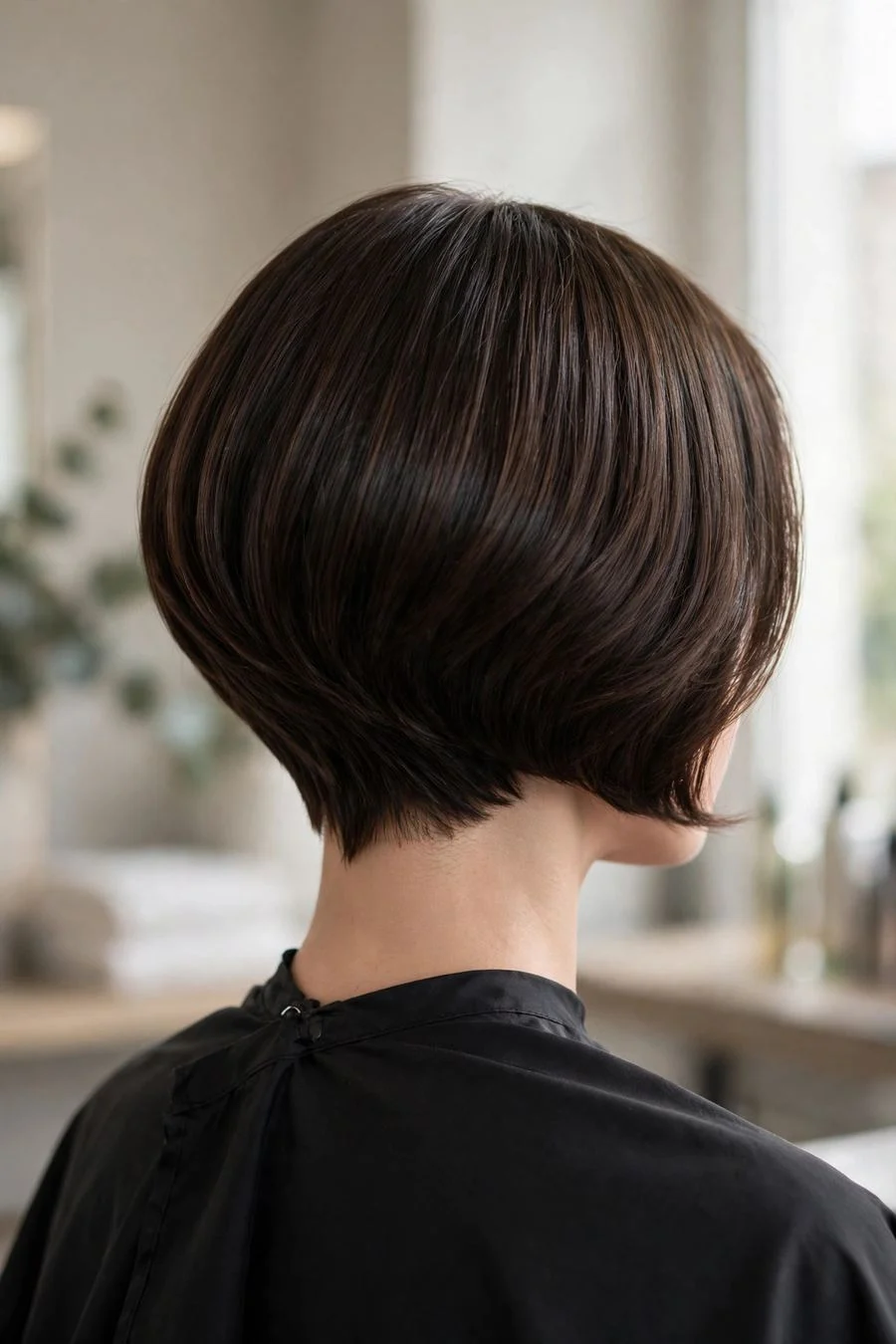
Vibe: Sculpted from every angle.
Why it works: Graduation stacks the hair from short at the nape to longer at the front in smooth, deliberate tiers. The technique builds volume exactly where flat heads need it and creates a silhouette that looks styled even when air-dried. It is a precision cut that photographs like architecture, flattering from the back as much as the front.
How to get it: Ask your stylist for a graduated bob and specify the angle: a steep graduation looks dramatic, while a soft one reads classic. The nape should be cut close for the full stacked effect. Style by blow-drying with a round brush, lifting at the crown and smoothing the front pieces down past the chin.
Also view: [INTERNAL:graduated haircut ideas]
| Shop the Look | |
|---|---|
| Root-boosting mousse | |
| Vented brush for fast blow-drying | |
| Smoothing blow-dry cream | |
| Nape-area styling wax for control | |
| Strong-hold finishing spray |
23. The Curly Bob
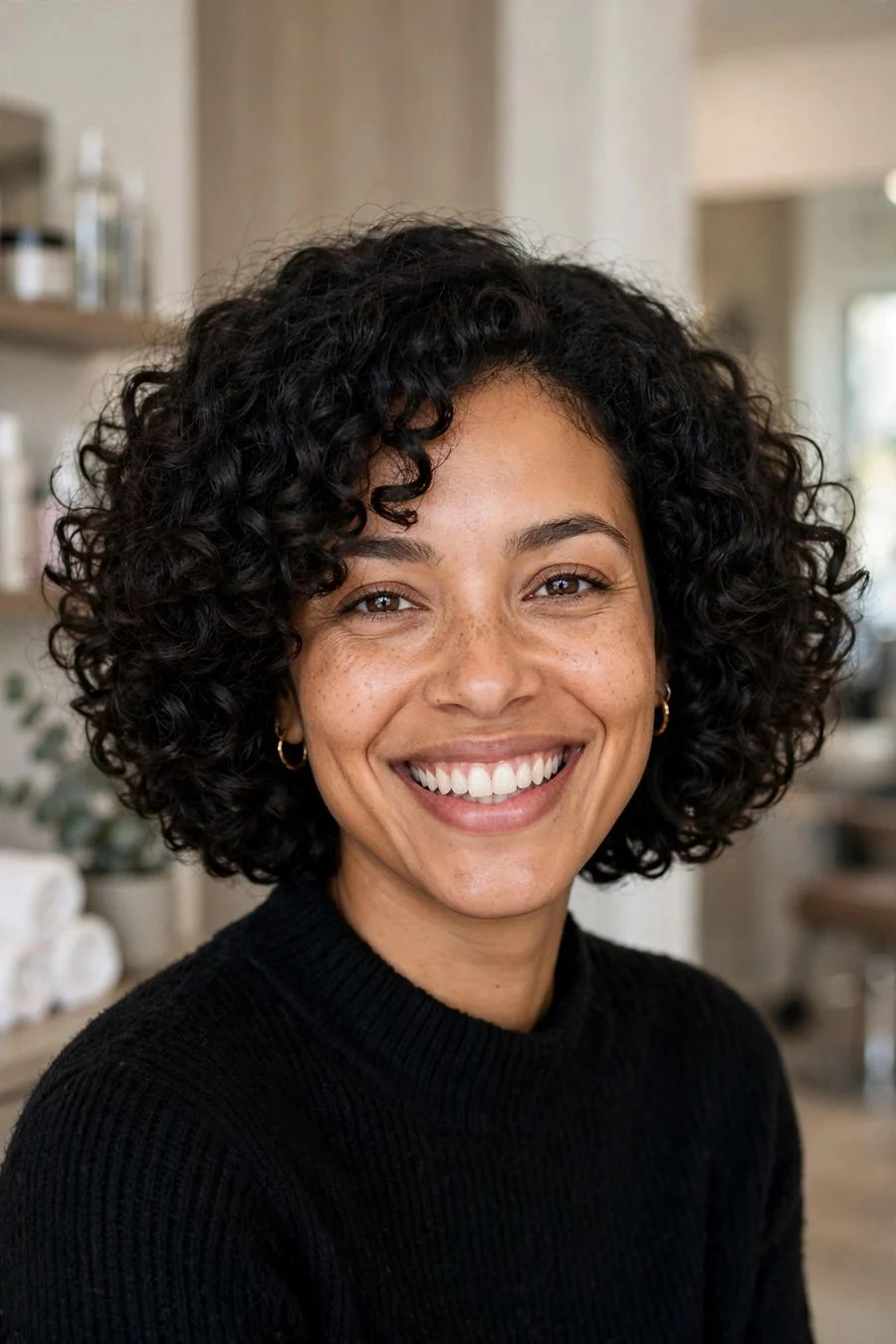
Vibe: Ringlets with a razor-sharp frame.
Why it works: A bob cut curl by curl lets each ringlet fall exactly where it flatters, giving curly hair a deliberate shape instead of a triangle. The shorter length removes the weight that stretches curls flat, so the pattern springs up bouncier. It is the cut that finally lets natural texture be the whole style.
How to get it: Ask your stylist for a dry, curl-by-curl cut, since cutting curls wet guarantees shrinkage surprises. Discuss your curl pattern honestly and bring photos of curly bobs on your texture type. Style with curl cream scrunched into soaking-wet hair, then diffuse or air-dry without touching.
💡 Quick Win: Pineapple your curls at night in a high, loose ponytail to preserve the shape for days.
| Shop the Look | |
|---|---|
| Curl-defining cream, silicone-free | |
| Microfiber towel or cotton T-shirt for drying | |
| Diffuser attachment for frizz-free volume | |
| Satin bonnet for nighttime protection | |
| Lightweight curl-refreshing spray |
24. The Shattered Bob
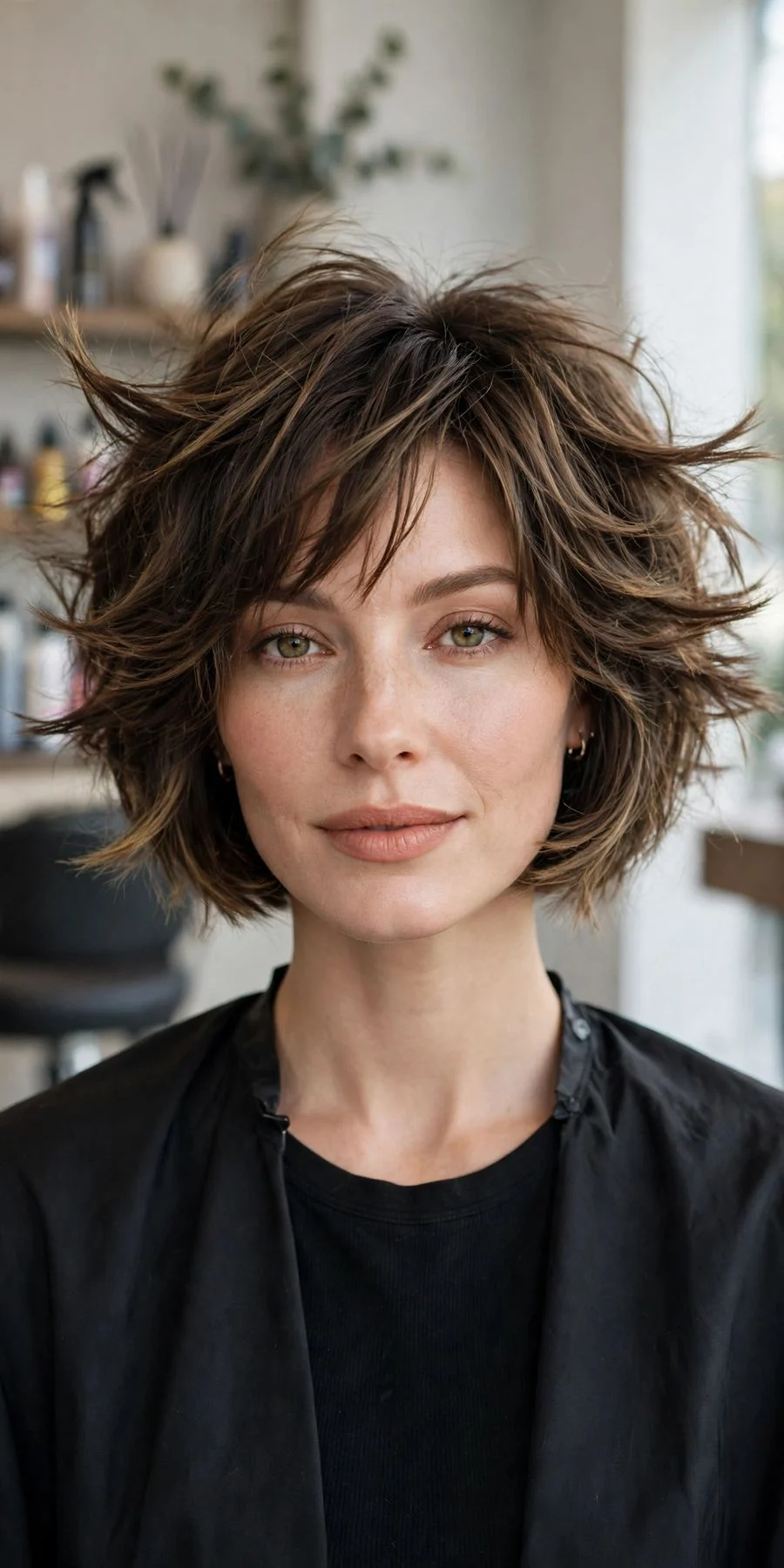
Vibe: Deliberately undone, impossibly cool.
Why it works: Shattered ends are point-cut deeply into the perimeter, creating jagged, piecey texture that makes even the simplest bob look editorial. The technique removes bulk without visible layers, so thick hair moves freely. It is ideal for women who want edge without committing to an asymmetrical or undercut shape.
How to get it: Ask your stylist for a bob with deeply point-cut, shattered ends rather than a clean line. The shattering should be heaviest at the front pieces for maximum face-framing texture. Style by working a small amount of paste through dry ends and twisting pieces in alternating directions.
| Shop the Look | |
|---|---|
| Matte texture paste for jagged ends | |
| Sea salt spray for gritty texture | |
| Flat iron for twisting piecey ends | |
| Dry shampoo for matte volume | |
| Flexible-hold hairspray |
25. The Slicked-Back Crop
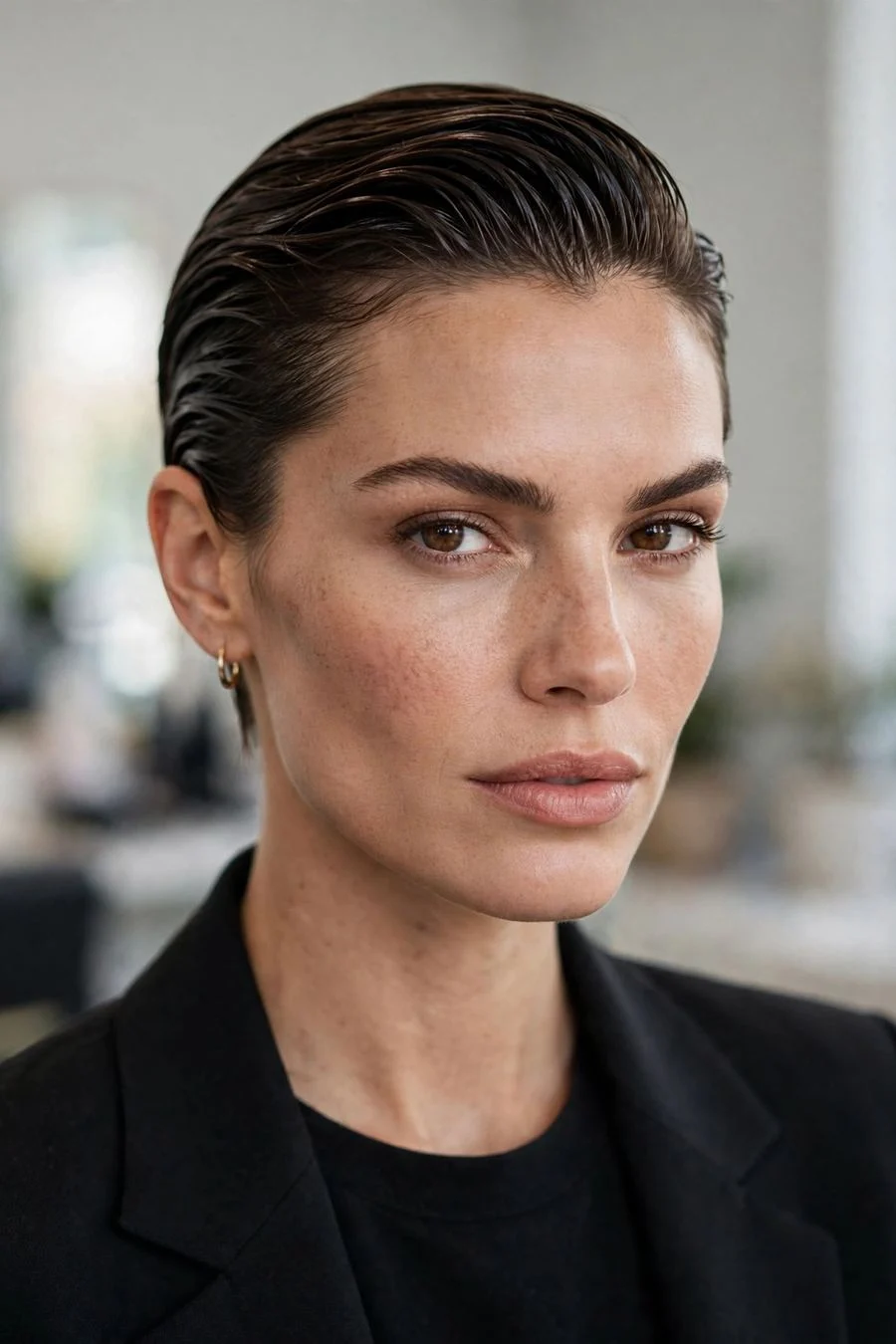
Vibe: Boardroom confidence, after hours.
Why it works: Combing a short crop straight back opens the entire face and reads as powerful and self-assured. The wet-look finish adds editorial drama that works for evenings and events. It is also the most practical short style for humid climates, since the product-heavy finish resists frizz completely.
How to get it: Ask your stylist for a short crop with enough length on top to sweep back, keeping the sides neat. For styling, work gel through damp hair and comb everything straight back, then set with strong-hold spray. For a softer daytime version, use cream instead of gel and finger-comb.
💡 Quick Win: Apply gel to damp, not soaking, hair; too much water dilutes the hold and the style slips by noon.
Also view: [INTERNAL:short edgy haircuts for women]
| Shop the Look | |
|---|---|
| Strong-hold styling gel, alcohol-free | |
| Fine-tooth comb for sleek direction | |
| High-shine pomade for evening looks | |
| Styling cream for softer daytime finish | |
| Extra-hold finishing hairspray |
How to Start Your Haircut Transformation
Book a consultation, or arrive ten minutes early and treat the first part of your appointment as one. Bring two or three reference photos of the exact cut you want, shot from different angles, plus one photo of a cut you definitely do not want. Photos eliminate the translation gap between what you describe and what the stylist hears, which is where most haircut regrets are born.
The most common mistake is choosing a cut for someone else's texture. A shag that looks magical on wavy hair can fall flat on pin-straight strands, and a blunt bob that gleams on straight hair can puff into a triangle on curls. Tell your stylist how you actually wear your hair day to day, including how much heat styling you will honestly do, and let them adapt the reference photos to your reality.
You do not need expensive products to maintain a great cut. A quality shampoo and conditioner matched to your texture, one heat protectant, and one styler suited to your cut cover ninety percent of maintenance. Drugstore lines now rival salon brands on basics, so save your budget for the occasional mask or a great dry shampoo.
Salon pricing varies widely: expect thirty to sixty dollars for a basic cut at a mid-range salon, sixty to one hundred twenty at higher-end studios, and more in major cities or for curly dry-cut specialists. Bang trims are often free or under fifteen dollars between appointments. A good cut every eight to twelve weeks costs less per month than most streaming subscriptions.
Frequently Asked Questions About Haircuts for Women
How do I know which haircut suits my face shape?
Start with your face's widest point and overall length. Round faces gain definition from length and angles, like lobs and side-swept bangs, while long faces soften with width at the cheeks, like curtain bangs and bobs. Square faces relax with soft layers around the jaw, and heart shapes balance with fullness at the chin. These are starting points, not rules: a skilled stylist adapts any cut to your features during the consultation, so bring your face-shape guess and let them refine it.
How often should I get my hair cut?
It depends on the cut's architecture. Pixies and graduated bobs lose their shape in five to six weeks and need the most frequent trims. Bobs and lobs hold their lines for eight to ten weeks. Long layers and U-cuts can stretch to twelve weeks or more, since their grow-out is graceful. Bangs of any kind need trimming every three to four weeks, though many salons offer this free between full appointments.
Will a short haircut work with my curly or coily hair?
Absolutely, with the right technique. Curly and coily hair should be cut dry or in its natural state, curl by curl, so the stylist sees exactly where each coil lands. Shorter lengths actually help curls spring up and hold definition better than long, weighed-down hair. Look for a stylist experienced with your texture type, bring photos of the cut on similar curl patterns, and expect the consultation to run longer; that thoroughness is a good sign.
What should I tell my stylist at the consultation?
Lead with your lifestyle: how much time you spend styling, whether you air-dry or heat-style, and how often you will come in for trims. Then show your reference photos and name what you love in each one. Mention your hair history, including color, chemical treatments, and past cuts you hated. Finally, state your hard limits, such as the shortest length you will accept. A stylist armed with all of this can adapt any inspiration photo to your real life.
How can I make my haircut look good while it grows out?
Plan the grow-out from day one by choosing a cut with a graceful next stage: bobs become lobs, pixies become bixies, bangs become face-framing layers. Schedule shaping trims every eight to ten weeks to keep the silhouette intentional rather than shaggy. Accessories like headbands, clips, and scarves disguise awkward stages beautifully. And keep the ends healthy with regular dusting trims, since a grown-out cut only looks good if the ends do.
Pin your favorite cut now, then book the consultation and bring two or three reference photos; your next great haircut starts with knowing exactly what to ask for.
Related Reads
- Bob Hairstyles for Fine Hair: The Complete Guide
- Shag Haircuts for Thick Hair
- Bangs for Round Faces: What Actually Works
- Long Haircuts With Layers for Every Texture